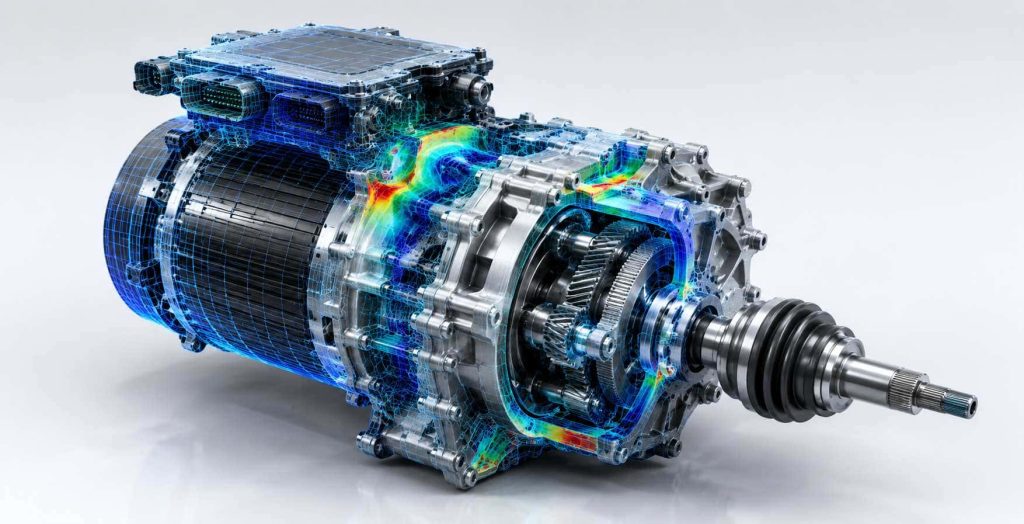
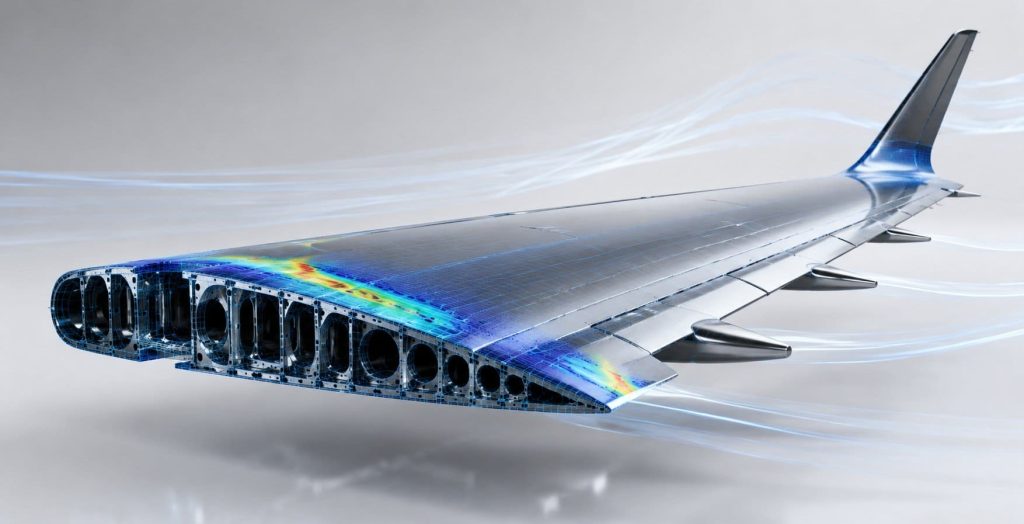
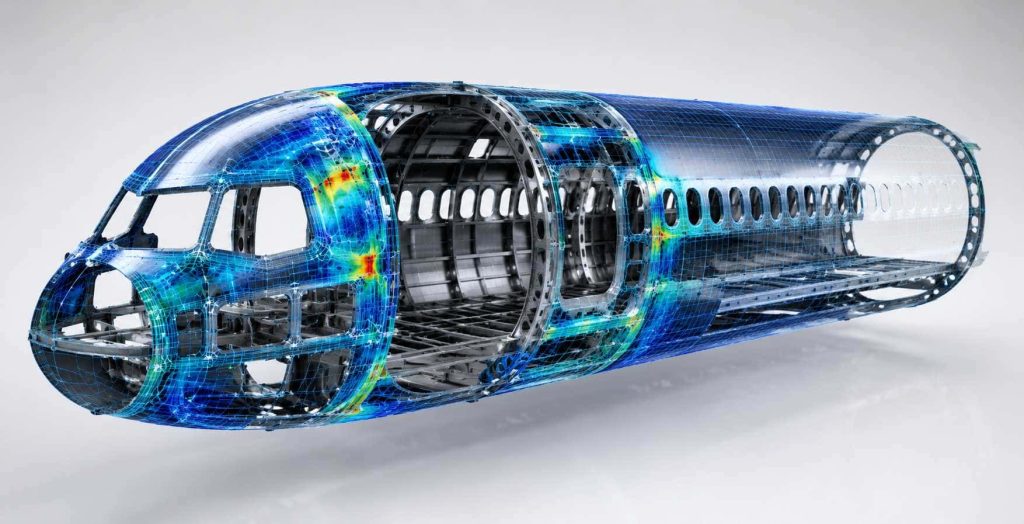
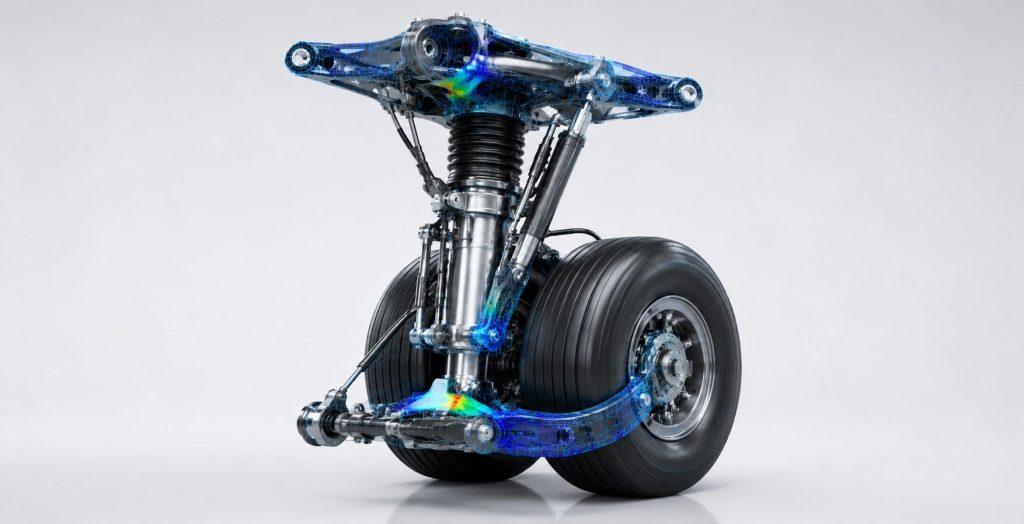
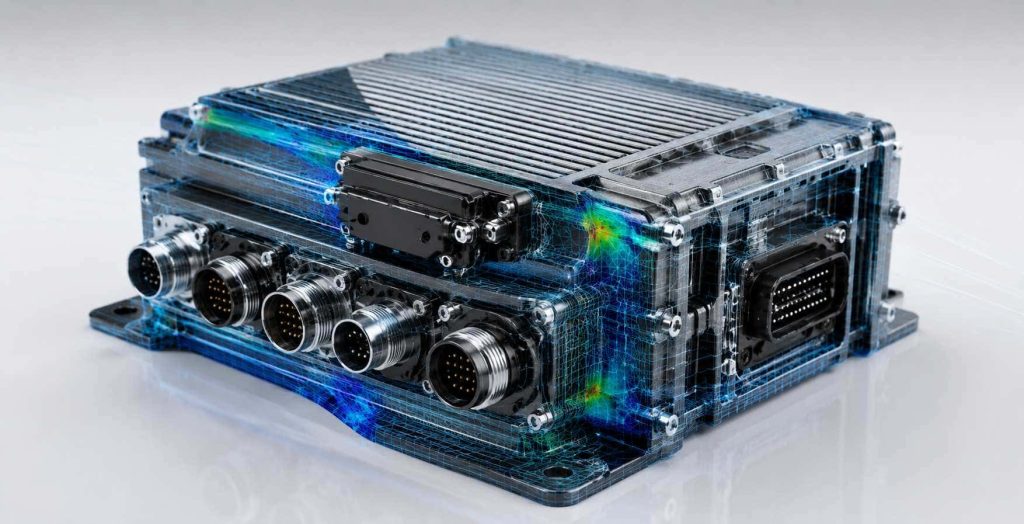
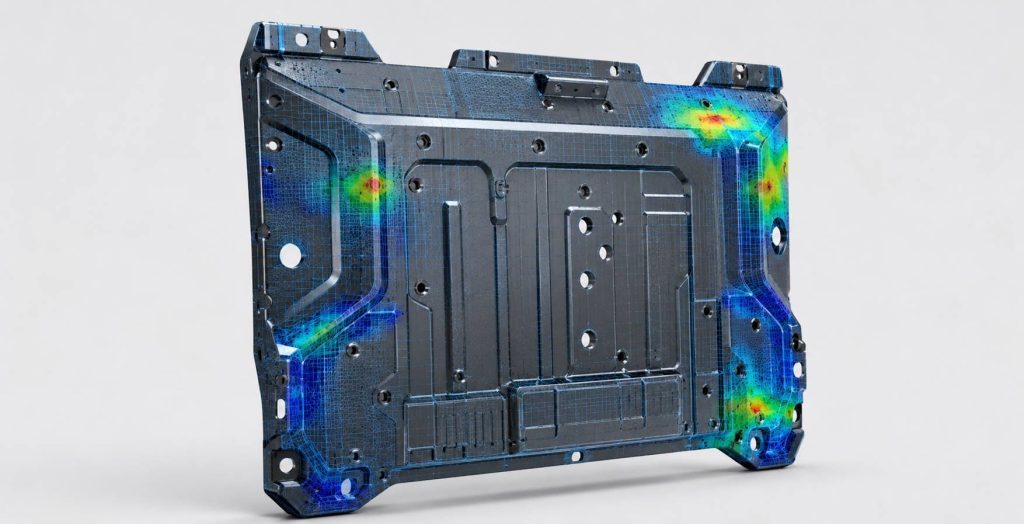
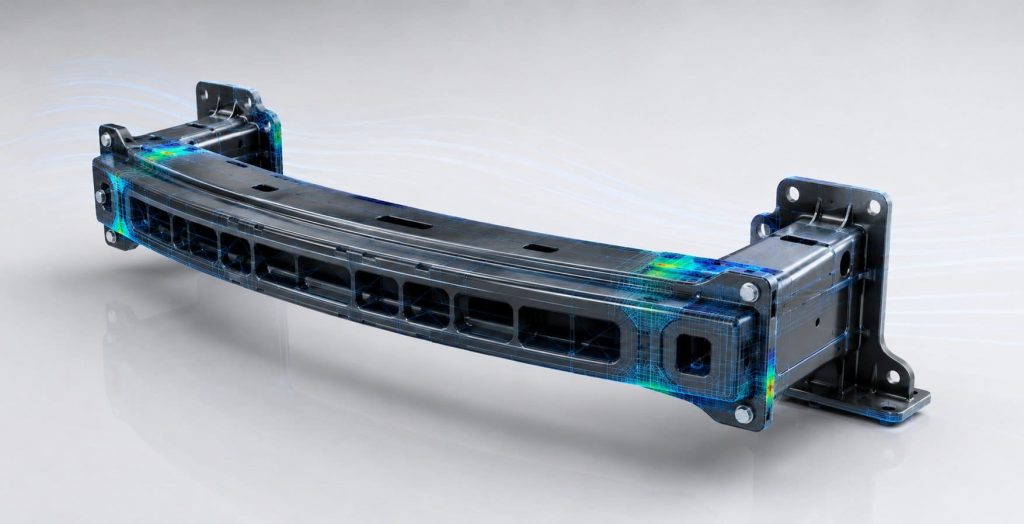
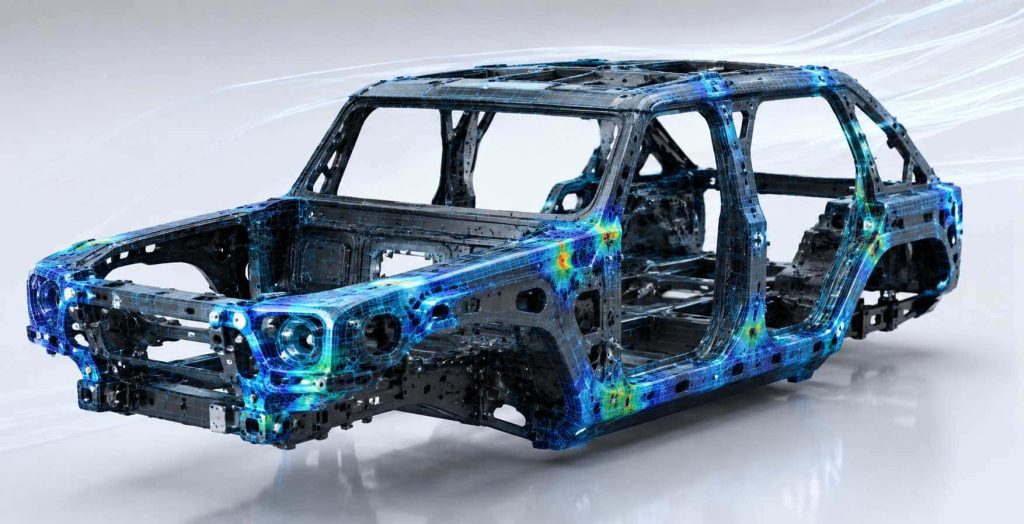
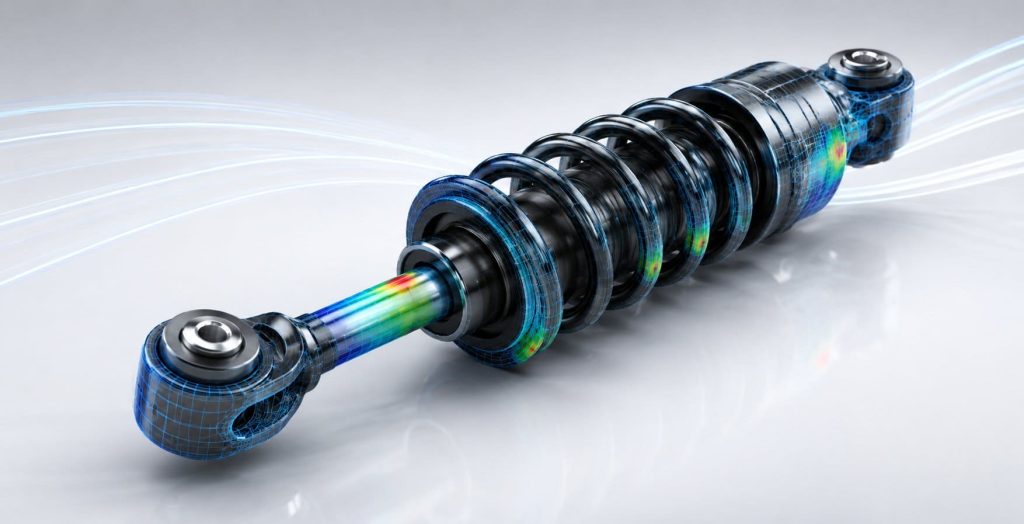
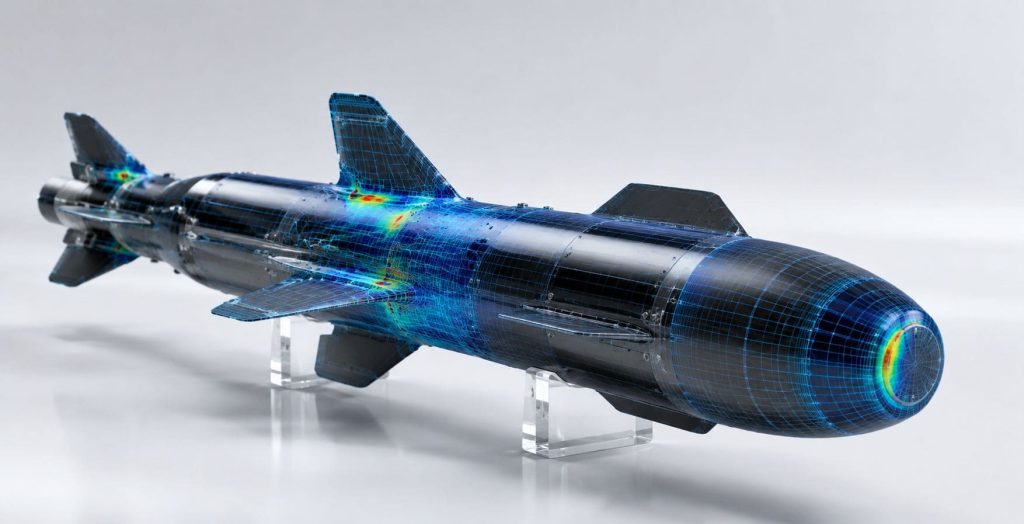
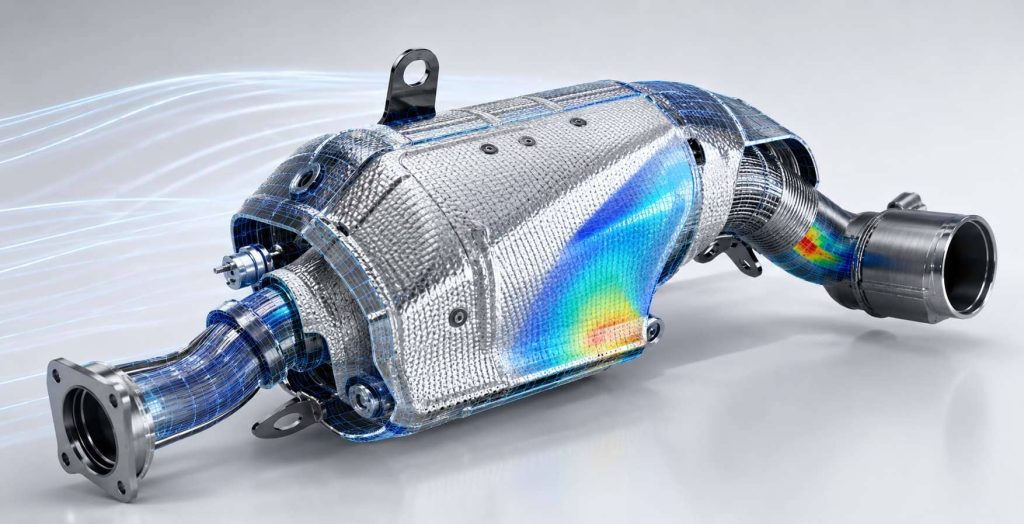
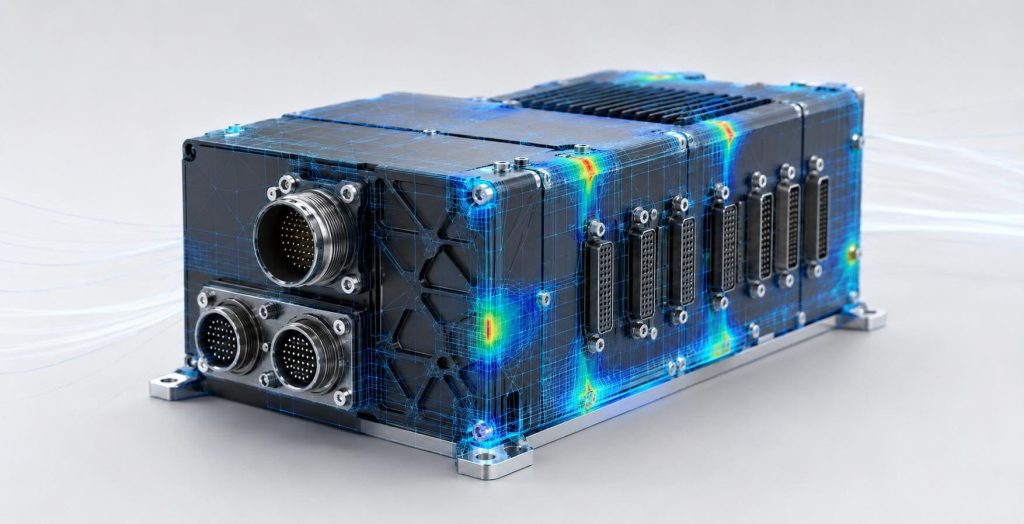
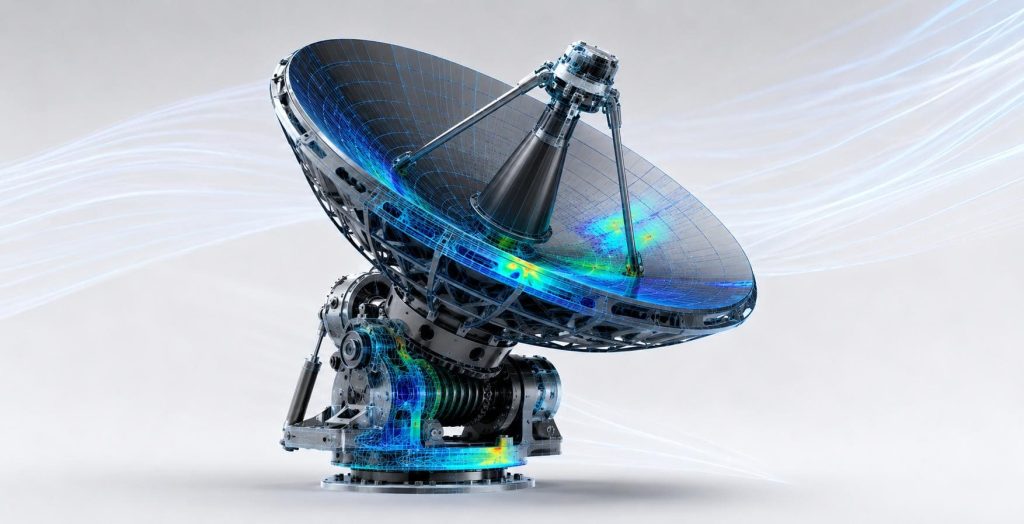
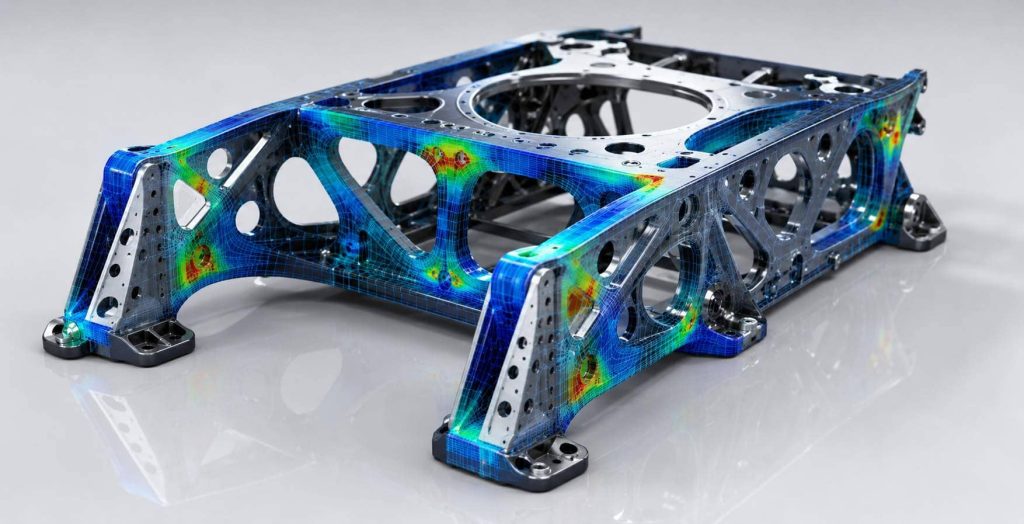
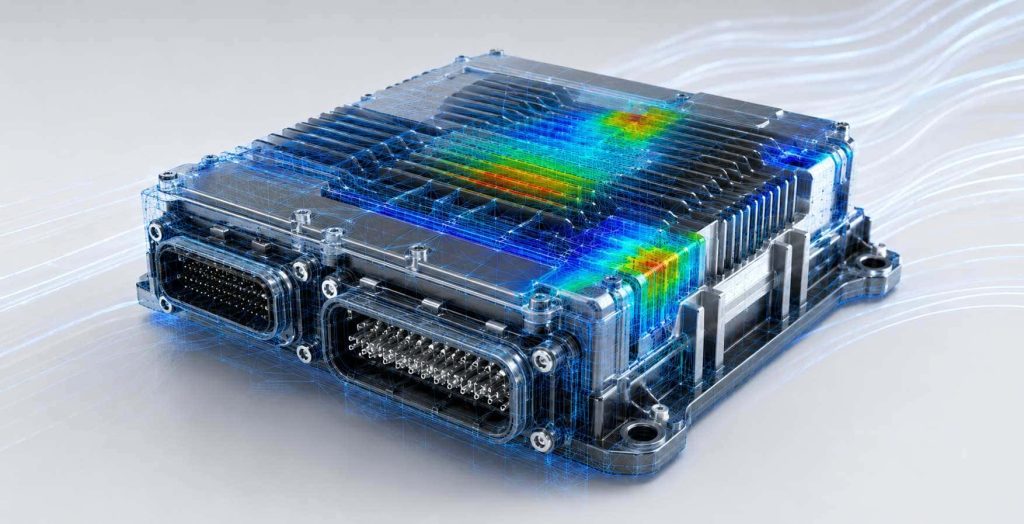
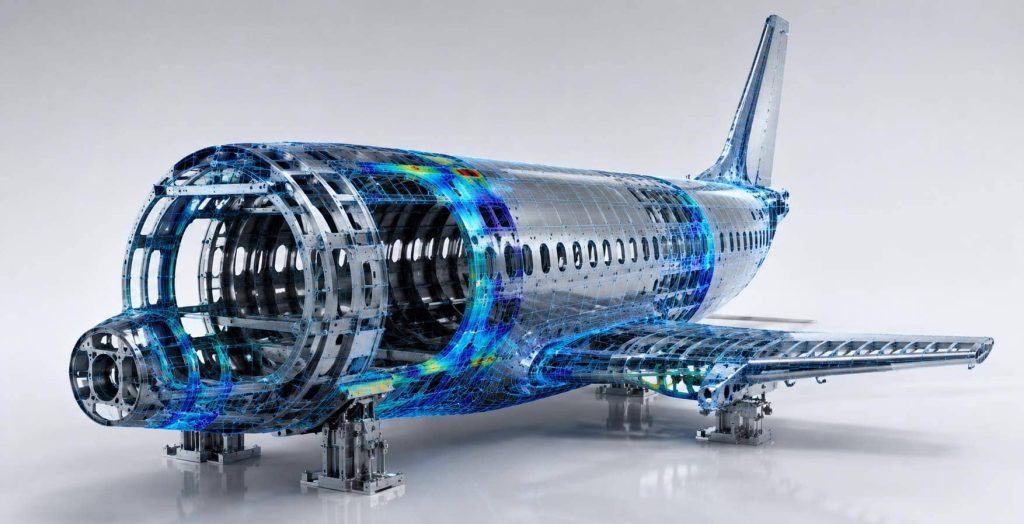
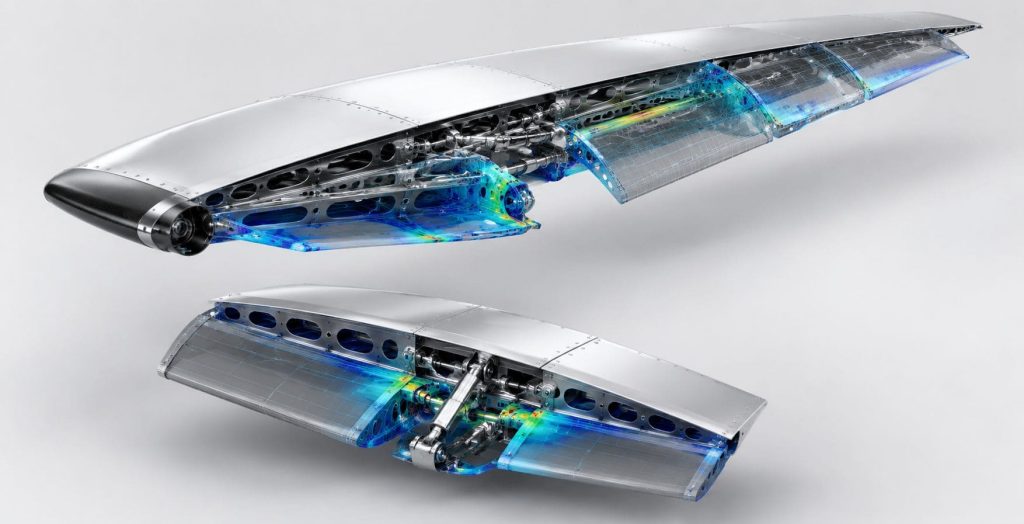
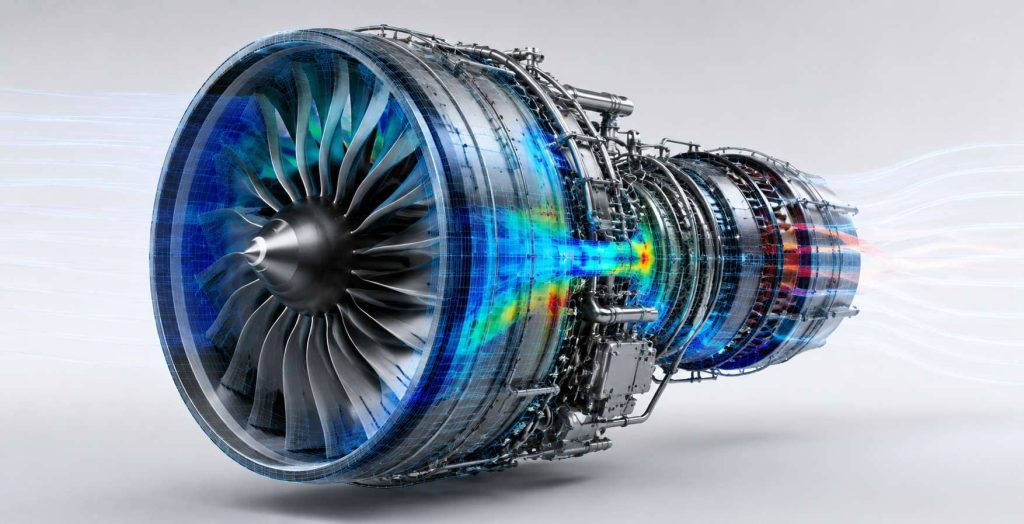
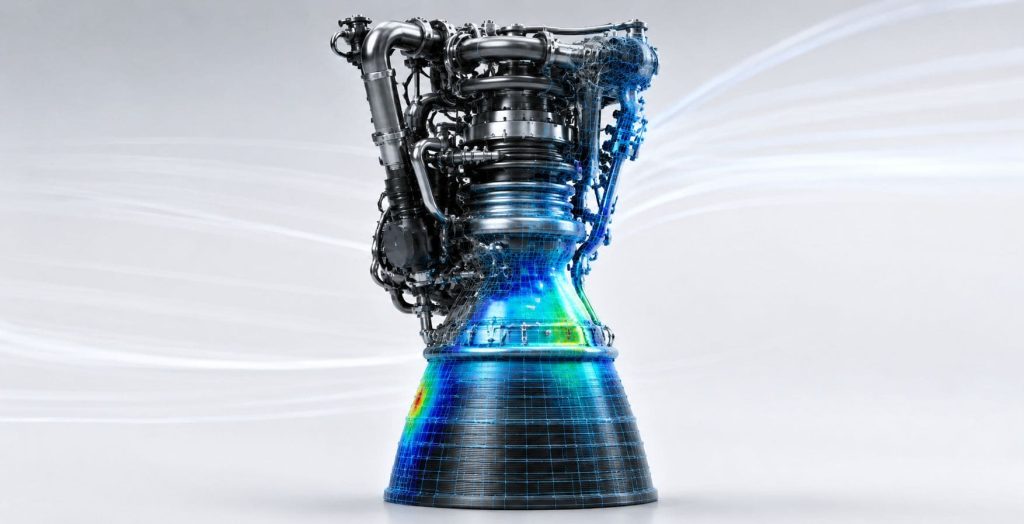
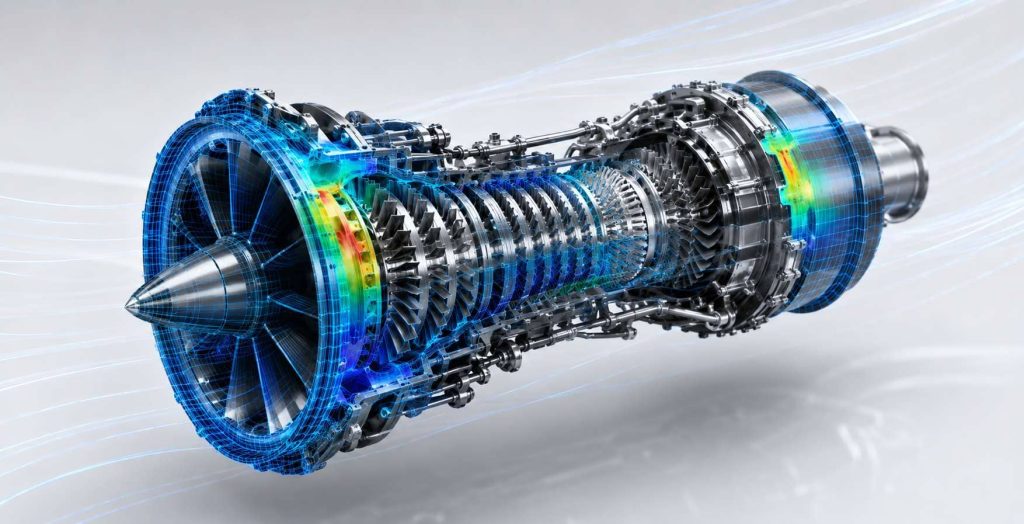
Delivering high-fidelity engineering, simulation, and digital transformation solutions that strengthen performance, reliability, and safety across aerospace and defence programs.
The aerospace and defence industry represents the pinnacle of technological advancement, driving innovation in aviation, space exploration, and military applications. This sector encompasses a wide range of activities, from designing advanced aircraft and spacecraft to developing sophisticated defence systems. Ansys offers essential tools such as AnsysMechanical for structural analysis, Ansys Fluent for fluid dynamics and heat transfer, Ansys CFX for computational fluid dynamics of turbomachinery, Ansys HFSS for electromagnetic field simulations of communication equipment, Ansys LS-DYNA for impact and blast simulations, and Ansys Maxwell for electric motor and actuator design. These solutions enable engineers to tackle complex challenges in aerodynamics, structural integrity, thermal management, and communication systems, pushing the boundaries of what is possible in aerospace and defence technology.
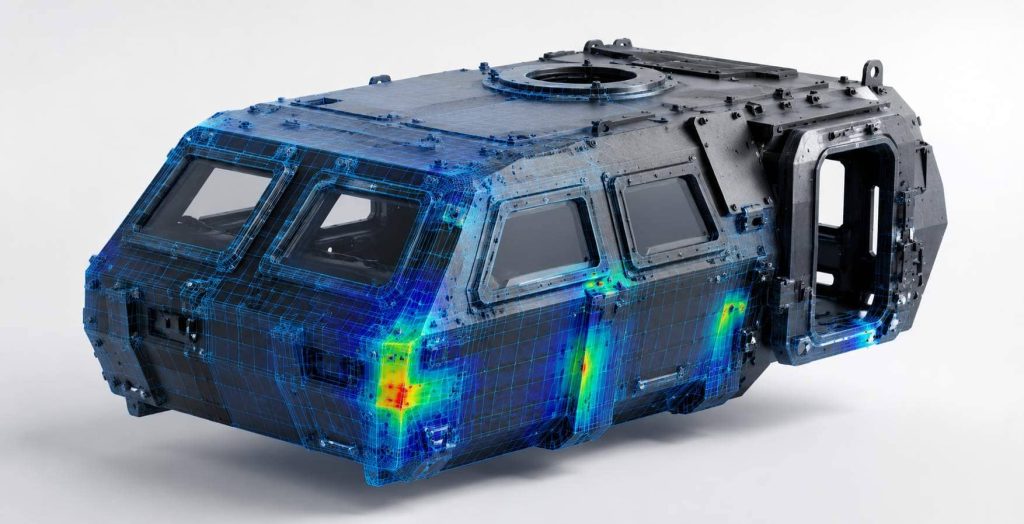
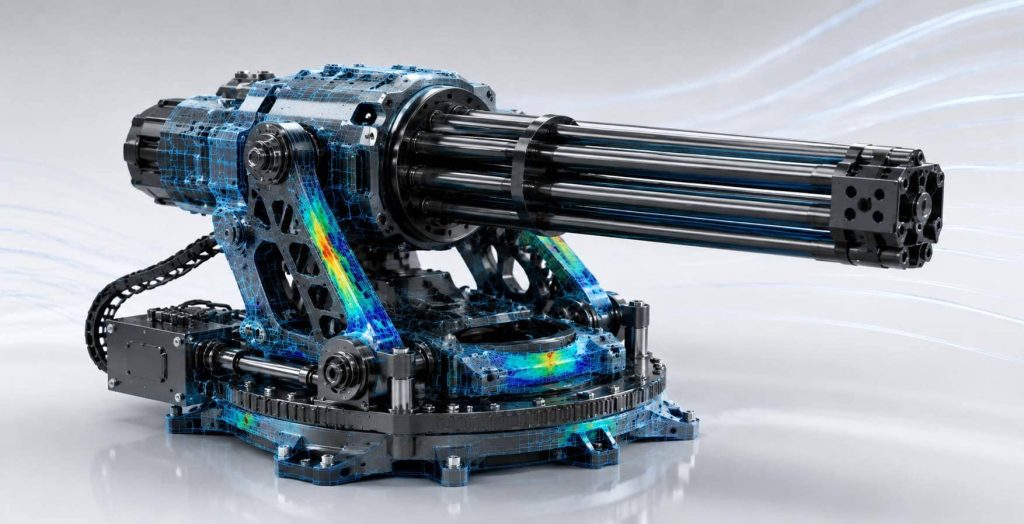
ANSYS solutions for Advanced Military Technology Development enable high-fidelity simulation of complex defense systems across land, sea, air, and space. They support rapid innovation, mission readiness, and performance under extreme conditions.
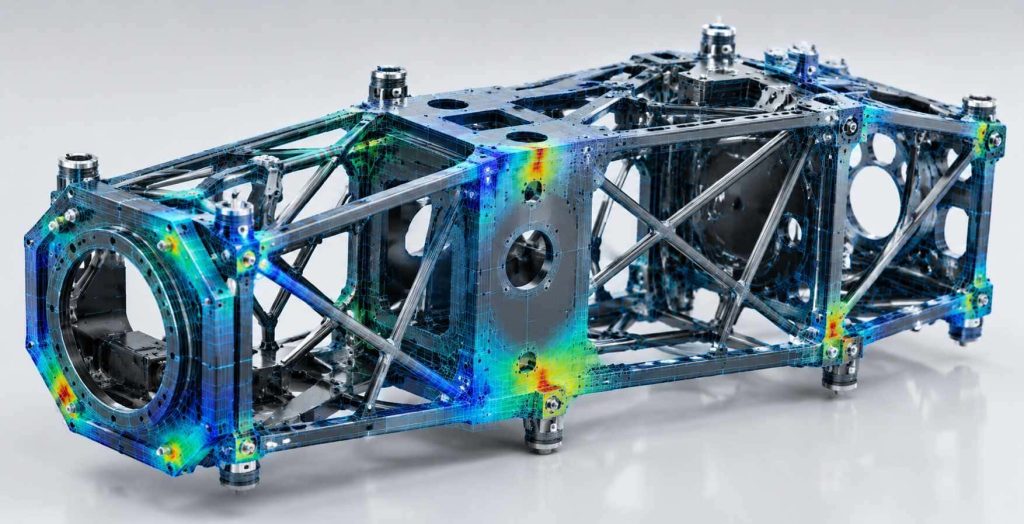
Structural simulations to predict the component behaviour and ensure durability under extreme loading conditions.
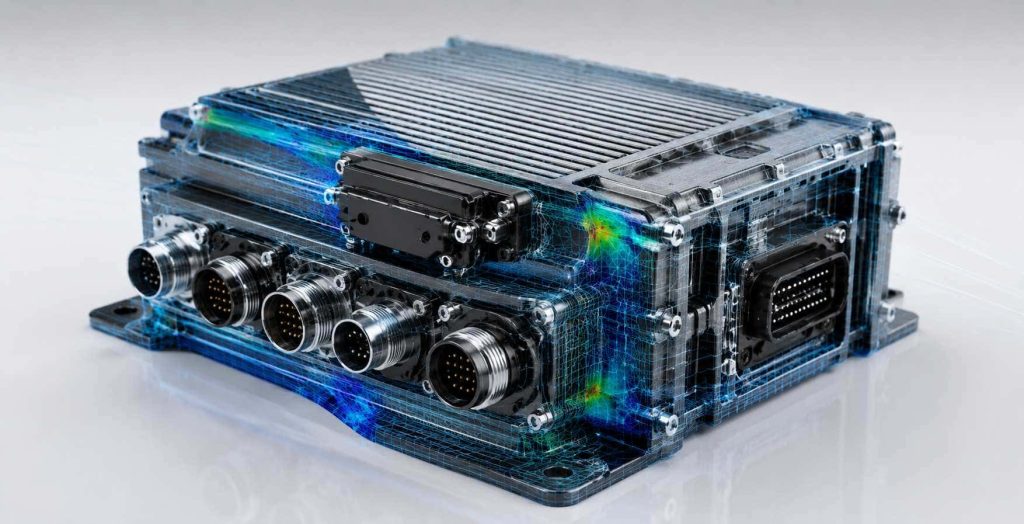
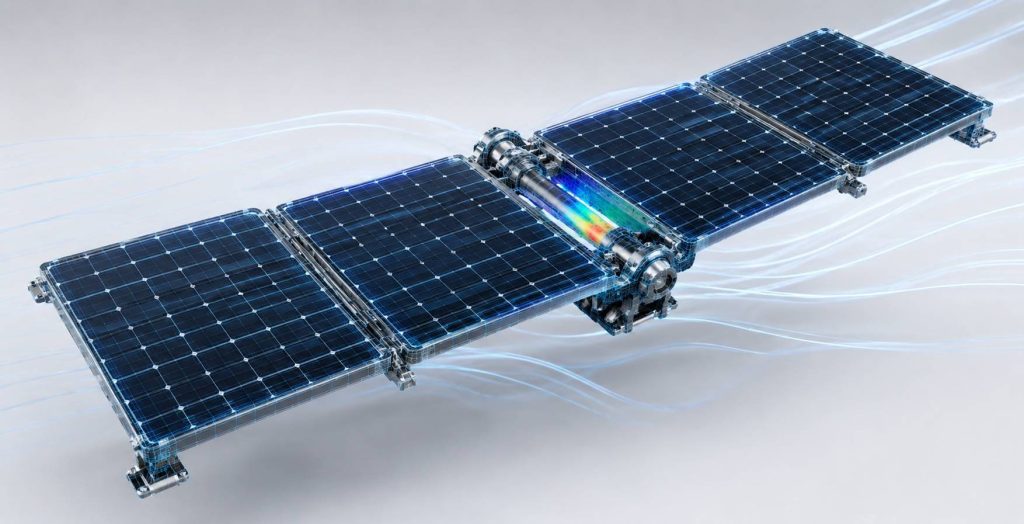
Thermal analysis to assess thermal stresses and prevent overheating of components in various environments.
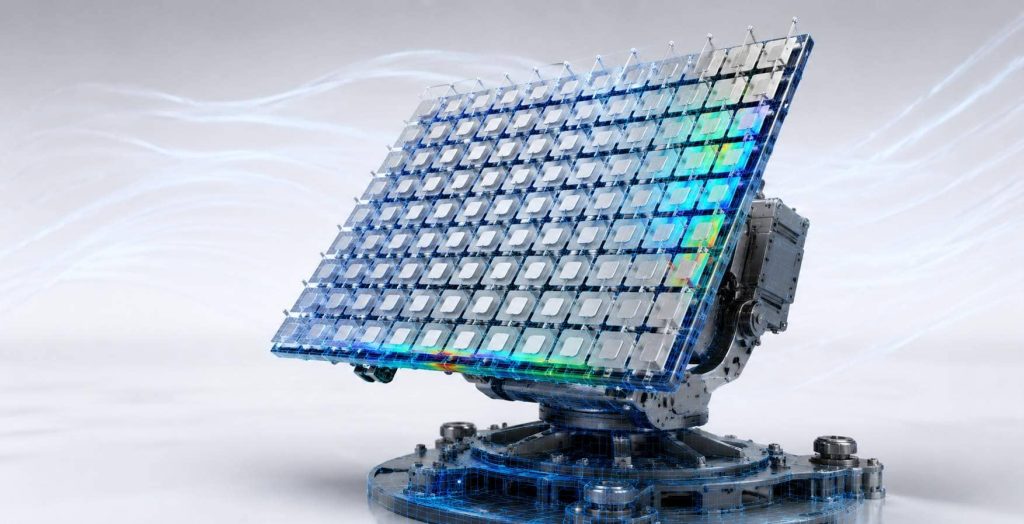
Electromagnetic analysis of communication and navigation systems to enhance signal clarity and effective performance.
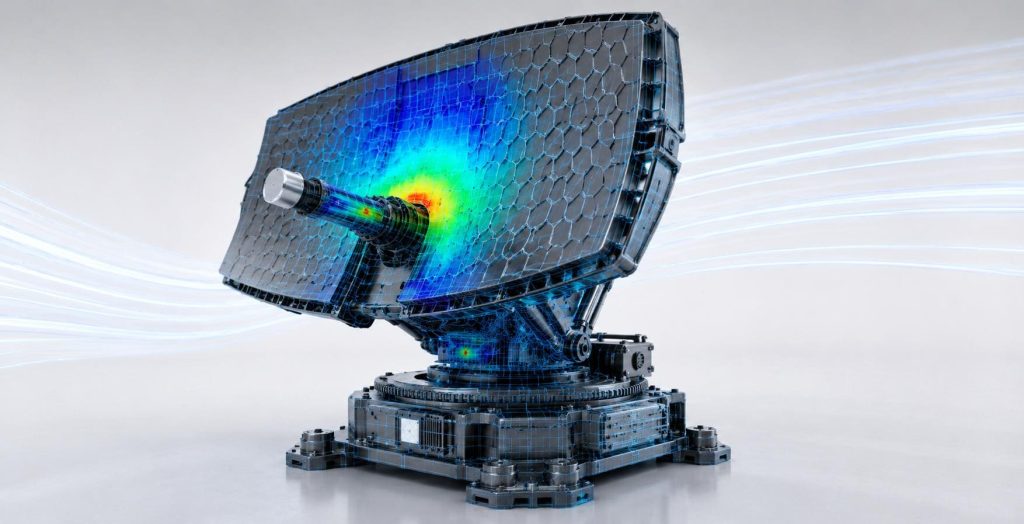
Explicit dynamics to simulate blasts and impacts to improve the design of missile systems.
Industries
Component-Level Capabilities
Our component-level simulation capabilities enable precise analysis of individual parts to evaluate performance, durability, and manufacturability before integration. By understanding each component’s behavior under real-world conditions, we ensure optimal design efficiency and reliability across the entire system.
Perform radar cross-section (RCS) calculations and predict far-field radar Conduct electromagnetic simulations on radar absorbent materials (RAM) to ensure maximum effectiveness in reducing visibility.
Simulate the thermal behaviour of components to optimize heat dissipation and ensure propulsion system durability under extreme temperatures.
Perform structural and fatigue analysis to optimize component design for improved performance and long-term reliability.
Industries
Relevant Ansys Software
Relevant ANSYS software for Advanced Military Technology Development includes ANSYS HFSS, Mechanical, Fluent, and LS-DYNA to simulate electromagnetics, structural integrity, fluid dynamics, and impact resistance. These tools accelerate innovation and ensure performance in mission-critical environments.
Orbit determination and analysis for space applications
Industry
Design of Aircraft and Drones
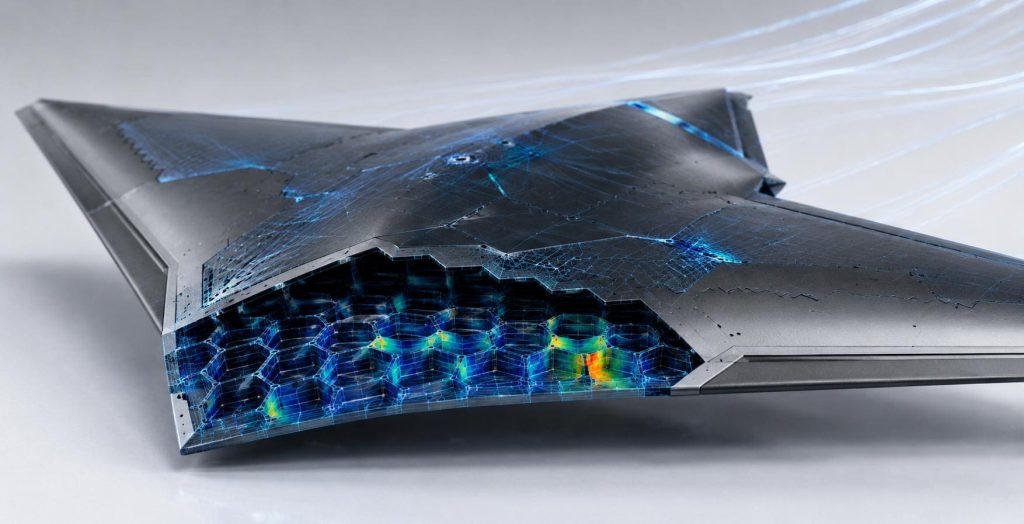
ANSYS solutions for the design of aircraft and drones provide advanced simulation tools for aerodynamics, structural integrity, propulsion, and control systems. They help optimize performance, reduce development time, and ensure safety and compliance.
Aerodynamic simulations to optimize lift and drag for better flight performance and reduced fuel consumption.
Structural analysis to ensure the airframe can withstand operational loads and extreme conditions.
Vibration and fatigue simulations to ensure the long-term reliability of aircraft structures during repeated use.
Thermal and heat transfer analysis to ensure efficient cooling of avionics, engines, and sensitive components.
Electromagnetic analysis to ensure effective and safe operation of electronic systems and prevent interference.
Industries
Component-Level Capabilities
ANSYS Component-Level Capabilities for the Design of Aircraft and Drones enable precise simulation of parts like wings, rotors, sensors, and propulsion systems. These tools ensure optimal performance, reliability, and lightweight design in aerospace applications.
Simulate combustion processes to optimize fuel efficiency and reduce emissions across different operational conditions.
Perform thermal analysis to manage heat dissipation and thermal stresses, and ensure engine durability under extreme thermal loads.
Industries
Relevant Ansys Software
Relevant ANSYS software for Component-Level Capabilities in Aircraft and Drone Design includes ANSYS Fluent, Mechanical, HFSS, and CFX to simulate aerodynamics, structural loads, electromagnetics, and propulsion. These tools ensure high performance, safety, and efficiency in aerospace components.
ANSYS solutions for Blast, Explosion, and Impact Simulation provide high-fidelity modeling of extreme events to assess structural response and material behavior. These tools help enhance safety, survivability, and compliance in defense and industrial applications.
Explicit dynamics to simulate explosive impacts to assess damage potential on target structures.
Thermal analysis to evaluate temperature distribution and thermal stresses generated in components during extreme conditions.
Structural analysis to reinforce key components for enhanced blast resistance.
Industries
Component-Level Capabilities
ANSYS Component-Level Capabilities for Blast, Explosion, and Impact Simulation enable detailed analysis of how individual components respond to high-strain, shock, and pressure loads. These tools support the design of resilient systems for safety-critical applications.
Simulate blast effects using explicit dynamics to assess the damage potential of missiles, torpedoes, and mines in combat scenarios.
Test guidance system performance using electromagnetic simulations to optimize EMI/EMC characteristics and signal integrity for reliable functioning.
Industries
Relevant Ansys Software
Relevant ANSYS software for Blast, Explosion, and Impact Simulation includes ANSYS LS-DYNA, Autodyn, and Mechanical to model shock waves, material deformation, and structural failure. These tools ensure accurate prediction of damage and improve system resilience under extreme conditions.
ANSYS solutions for Spacecraft Analysis offer advanced simulation of structural, thermal, and electromagnetic performance in the harsh conditions of space. They help ensure mission reliability, system integrity, and optimal design for launch and orbit operations.
Thermal analysis to optimize heat resistance and thermal regulation of spacecraft during re-entry and space missions.
Structural analysis to ensure the spacecraft can withstand the extreme forces and conditions of space travel, including launch, in-orbit, and re-entry environments.
Vibration analysis to assess the effect of vibrations on spacecraft integrity and ensure reliable performance.
Electromagnetic simulations to ensure clear, reliable communication for data transmission and system control, minimizing interference and signal loss.
Industries
Component-Level Capabilities
ANSYS Component-Level Capabilities for Spacecraft Analysis enable detailed simulation of subsystems like antennas, thrusters, thermal protection, and avionics. These tools ensure precise performance, durability, and efficiency in extreme space environments.
Conduct electromagnetic analysis to ensure reliable communication across vast distances in space.
Signal integrity analysis to ensure reliable signal transmission, minimizing data loss and distortion caused by interference.
Industries
Relevant Ansys Software
Relevant ANSYS software for Spacecraft Analysis includes ANSYS Mechanical, Fluent, HFSS, and Thermal Desktop to simulate structural loads, thermal behavior, fluid dynamics, and electromagnetic performance. These tools ensure mission success through accurate, end-to-end system analysis.
ANSYS solutions for Radar and Antenna Design provide advanced electromagnetic simulation to optimize performance, range, and signal clarity. They support the development of high-efficiency, compact systems for aerospace, defense, and communication applications.
Electromagnetic analysis to optimize radar systems for detection accuracy and reliability in complex environments.
Structural analysis to evaluate the mechanical robustness of radar systems and antennas under operational stress, vibrations, and environmental factors.
Signal integrity analysis to minimize interference, ensure clear signal transmission, and enhance data accuracy in radar and communication systems.
Industries
Component-Level Capabilities
ANSYS Component-Level Capabilities for Radar and Antenna Design allow precise simulation of individual components such as antenna arrays, waveguides, and radar systems. These tools ensure optimal signal performance, efficiency, and integration in complex electromagnetic environments.
Simulate signal integrity to ensure clear signal transmission and reliable communication.
Evaluate electromagnetic interference (EMI) to prevent disruptions in signal integrity.
Industries
Relevant Ansys Software
Relevant ANSYS software for Radar and Antenna Design includes ANSYS HFSS, Maxwell, and Electronics Desktop to simulate electromagnetic performance, signal propagation, and antenna optimization. These tools ensure high-performance design and reliable operation in critical communication systems.
ANSYS solutions for Hypersonic Vehicle Design enable high-fidelity simulation of aerodynamics, heat transfer, and structural integrity at extreme speeds. They help optimize vehicle performance, stability, and safety under the intense conditions of hypersonic flight.
Aerodynamics simulations for optimal flight performance at high speeds and extreme conditions.
Thermal analysis to evaluate the response of components due to high temperatures involved with high-speed flight.
Structural and vibrational analysis to ensure vehicle integrity and resistance to fatigue under dynamic loads.
Electromagnetic analysis of avionic systems for reliable navigation and communication at hypersonic speeds.
Industries
Component-Level Capabilities
ANSYS Component-Level Capabilities for Hypersonic Vehicle Design provide detailed simulation of individual components like thermal protection systems, propulsion, and materials. These tools ensure optimal performance, durability, and heat resistance in extreme hypersonic flight conditions.
Utilize model-based simulation to verify and validate embedded software functionality for avionics systems, ensuring safety and performance compliance.
Evaluate the reliability and life of electronic components subjected to mechanical shocks, vibrations, and thermal loads.
Industries
Relevant Ansys Software
Relevant ANSYS software for Hypersonic Vehicle Design includes ANSYS Fluent, Mechanical, and CFX to simulate aerodynamics, thermal management, and structural performance at hypersonic speeds. These tools help optimize vehicle design and ensure reliability in extreme flight conditions.
ANSYS solutions for Advanced Propulsion Systems provide comprehensive simulation tools for optimizing engine performance, efficiency, and thermal management. These tools support the design of cutting-edge propulsion technologies for aerospace, automotive, and energy applications.
Thermal and heat transfer analysis to asses thermal expansion and optimize heat dissipation in advanced propulsion systems.
Fluid dynamics for optimal fuel and airflow management in engines and propulsion components.
Structural analysis to ensure durability and long-term performance under high stress and thermal load.
Vibration and fatigue analysis to optimize engine stability and enhance the operational life of components.
Conduct combustion reaction simulations to ensure efficient fuel burning and maintain performance during high-speed flight.
Industries
Component-Level Capabilities
ANSYS Component-Level Capabilities for Advanced Propulsion Systems enable detailed simulation of individual components like turbines, injectors, and combustion chambers. These tools optimize efficiency, durability, and performance under extreme operating conditions.
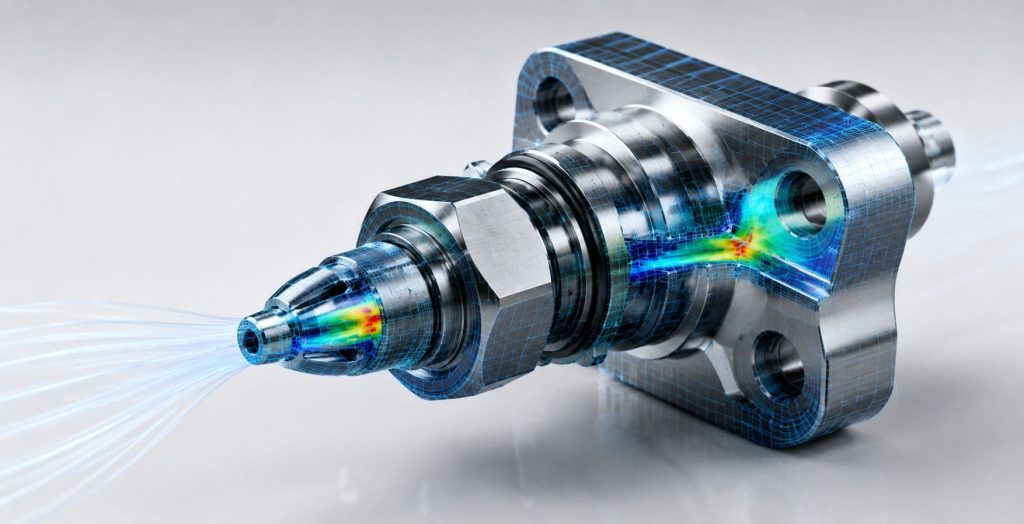
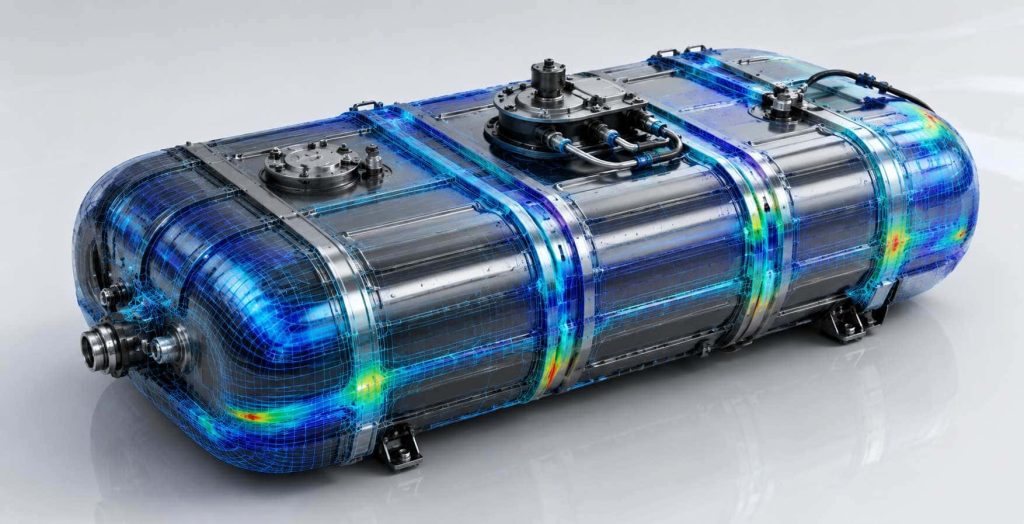
Perform structural analysis on the tank to ensure that it can withstand operational stresses including shock loads, impacts and vibration.
Simulate the sloshing of fuel to assess its effect on the tank structure (fluid-structure interaction, or FSI).
Industries
Relevant Ansys Software
Relevant ANSYS software for Advanced Propulsion Systems includes ANSYS Fluent, Mechanical, and CFX to simulate fluid dynamics, thermal behavior, and structural integrity. These tools ensure optimal performance, efficiency, and reliability in propulsion system design and analysis.
Discover how our innovative engineering solutions can transform your business. Connect with us today to explore tailored products and expert support for your industry needs.
How does ANSYS support the aerospace and defence industry?
ANSYS provides advanced simulation tools to design, analyze, and validate aircraft and defence systems, ensuring safety, performance, and compliance with strict industry regulations.
What types of aerospace simulations can ANSYS perform?
ANSYS offers simulations for aerodynamics (CFD), structural integrity, thermal performance, vibration analysis, and electromagnetic compatibility—critical for aircraft and spacecraft development.
Can ANSYS help reduce physical prototyping in aerospace projects?
Yes, ANSYS allows engineers to test designs virtually under realistic conditions, significantly reducing the need for costly and time-consuming physical prototypes.
Does ANSYS support aerospace certification requirements?
ANSYS helps streamline compliance with regulatory standards like FAA, EASA, and MIL-STD by providing accurate, traceable simulations and documentation.
How does ANSYS contribute to lightweight and fuel-efficient design?
ANSYS enables topology optimization, materials analysis, and multi-physics simulation to design lighter, stronger components—enhancing fuel efficiency and performance.
Transform Ideas into Reality—Explore Our Simulation Solutions Today!
Partner with Us to Revolutionize Engineering Excellence!
Highly informative ANSYS Mechanical training resolved contact, meshing, fatigue challenges, delivered professionally with structured sessions and dependable post-sales support.
Sneha Iyer — Simulation & Validation Lead
Strong CFD expertise and reliable consulting achieved high accuracy, building confidence and establishing a preferred partnership for complete ANSYS simulation solutions.
Aditya Rao — Senior FEA Specialist
Insightful ANSYS training enhanced analytical skills through expert guidance in FEA, CFD, geometry, meshing, and modeling for students and faculty.
Nikhil Bansal—Product Engineering
Outstanding ANSYS implementation and consulting delivered timely FEA and CFD support, strengthening team capabilities through structured, high-value training sessions.
Ananya Mehta — CAE Project Lead
Advanced ANSYS HPC and CFD solutions enabled effective hydro turbine simulations, supported by expert training, technical guidance, and reliable support.
Saurabh Joshi — Senior Mechanical Engineer
Customized SpaceClaim training with hands-on workshops improved modeling skills, supported by proactive guidance, tailored sessions, and strong application engineering expertise.
Pooja Shah — CFD & Thermal Analysis Lead
Advanced drone development benefited from ANSYS expertise, delivering effective FEA and CFD solutions, training, and support for complex engineering challenges.
Manish Gupta — Engineering Analysis Manager
Innovation in autonomous drones improved through ANSYS implementation, expert FEA, CFD consulting, and training for better validation, performance, and efficiency.
Arjun—Head – Engineering Analysis
Significant R&D improvements achieved through ANSYS expertise, accelerating validation, optimizing performance, and solving complex engineering challenges with expert support.
Rahul Mittal — Head of R&D
Rail solutions enhanced using ANSYS ICEPAK and Mechanical, delivering expert training, strong FEA, CFD support, and deeper understanding of core physics.
Vikram Sharma — Lead Engineer – Simulation
Responsive CFD support and training enabled faster validation, solving meshing challenges and strengthening R&D team’s simulation and design capabilities effectively.
Neha Kapoor — Manager – R&D
Reliable ANSYS implementation and FEA expertise delivered consistently under challenging conditions, demonstrating professionalism, technical strength, and strong project commitment.
Arjun Mehta — Senior Simulation Engineer
Engineering capabilities improved with ANSYS Mechanical expertise, optimizing components through hands-on training, prompt support, and strong FEA knowledge application.
Rohan Malhotra—Engineering Manager–CAE
Exceptional ANSYS expertise combining LS-DYNA and Mechanical training, supported by proactive guidance, solving complex challenges with professionalism and customer-focused collaboration.
Priya Nair — Lead CFD Engineer
Informative ANSYS Mechanical training enhanced analytical skills, delivered smoothly with strong coordination, structured sessions, and excellent trainer support throughout program.
Amit Verma — Senior Design Engineer
ANSYS FEA and CFD expertise improved product reliability, optimization, and efficiency through strong consulting, implementation, training, and dedicated technical support.