Simulating the Future of Transportation and Mobility Exponentially innovate to deliver the transportation and mobility experiences of the future with the next generation of simulation and engineering tools.
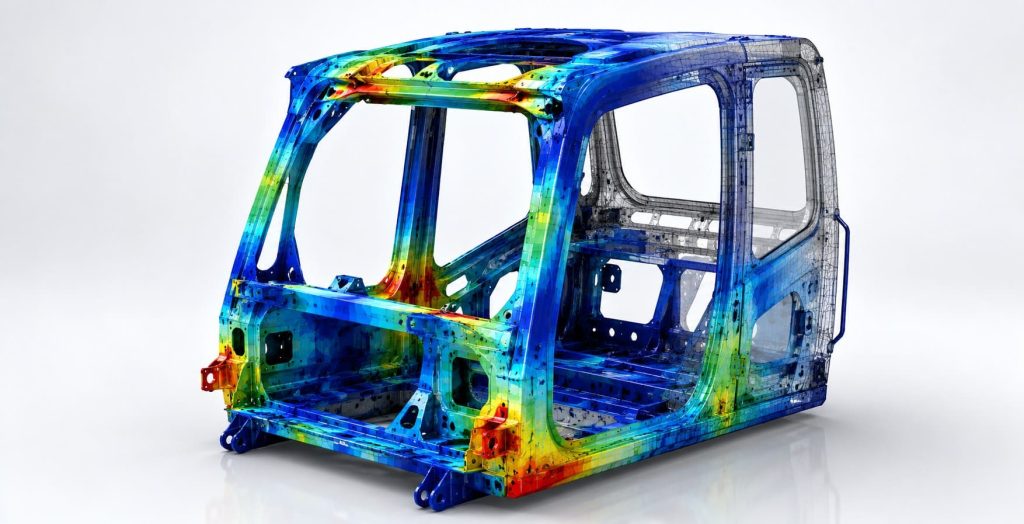
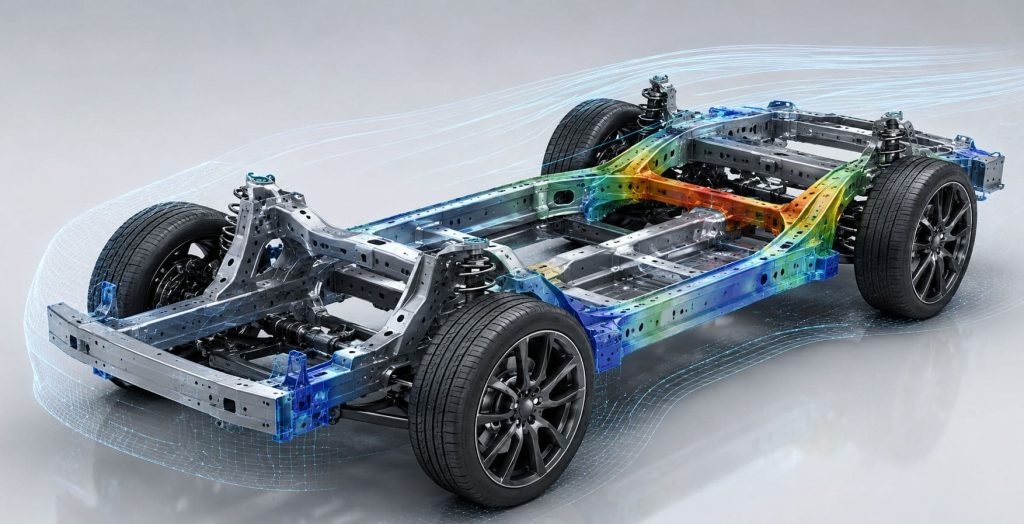
The automotive industry is a cornerstone of modern innovation, driving advancements in vehicle efficiency, safety, and sustainability. This sector encompasses the design, production, and operation of vehicles, requiring precise engineering and cutting-edge technology. Ansys software plays a vital role in this industry, offering solutions such as Ansys Mechanical for structural and thermal analysis, Ansys Fluent for fluid dynamics and aerodynamics, Ansys Maxwell for electromagnetics in electric motors, Ansys Icepak for thermal management of electronic components, Ansys LS-DYNA for crash and impact simulations, and other specialized tools. These powerful simulation solutions enable the development of innovative, reliable, and sustainable vehicles, meeting the highest standards of performance and safety in the automotive industry.
Ansys delivers precise simulation solutions designed for the complex engineering demands of vehicle technology. Its comprehensive tools enable end-to-end simulation of vehicle systems, from structure to software. Capabilities include structural, crash, fluids, thermal, electromagnetics, electronics, and semiconductor analysis.
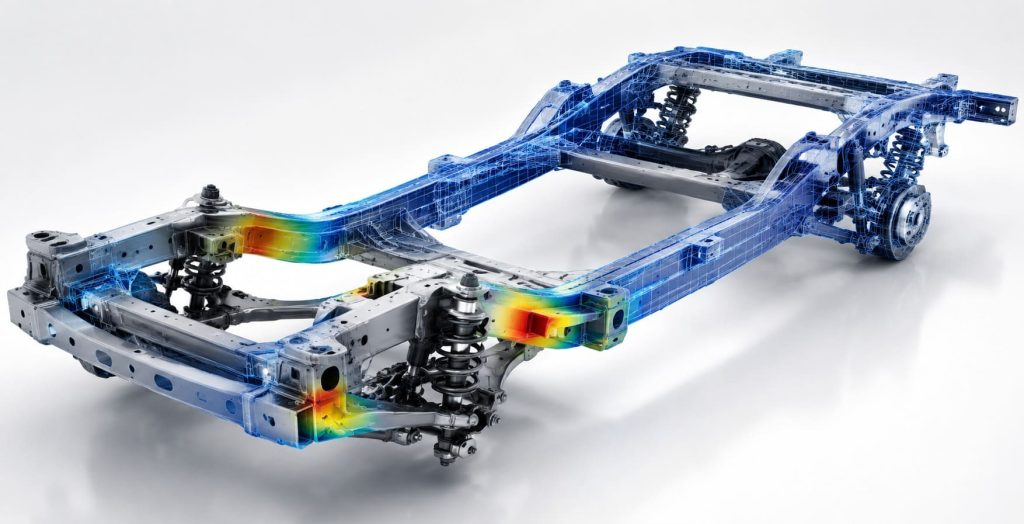
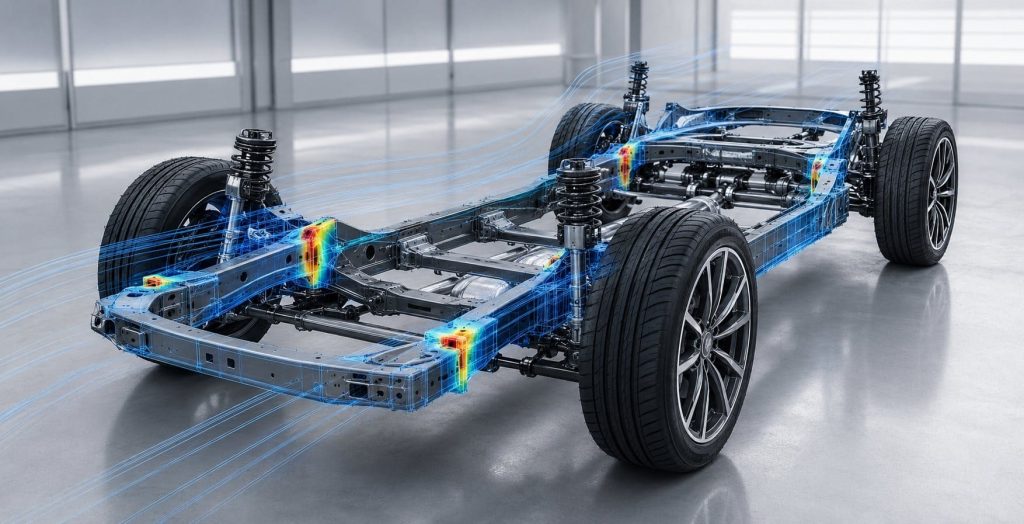
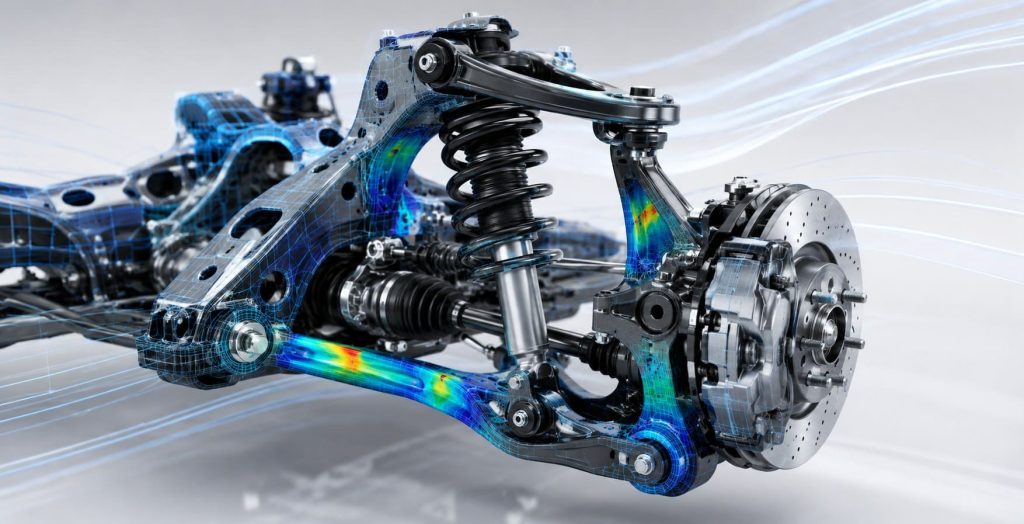
Structural and fatigue analysis to assess the durability, strength, and safety of critical components.
Crash and impact simulations to enhance passenger safety during accidents.
Aerodynamic testing to refine vehicle shape, reduce drag, and improve fuel efficiency.
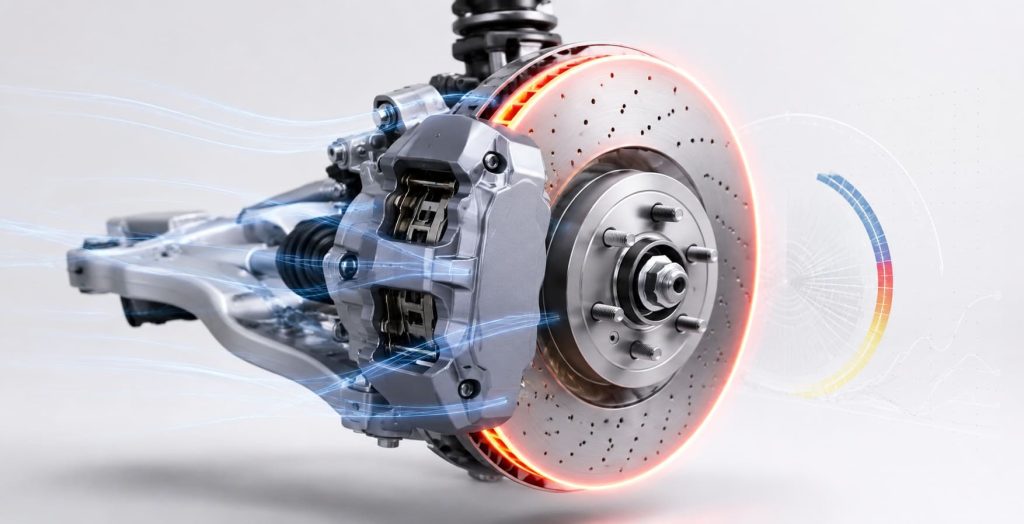
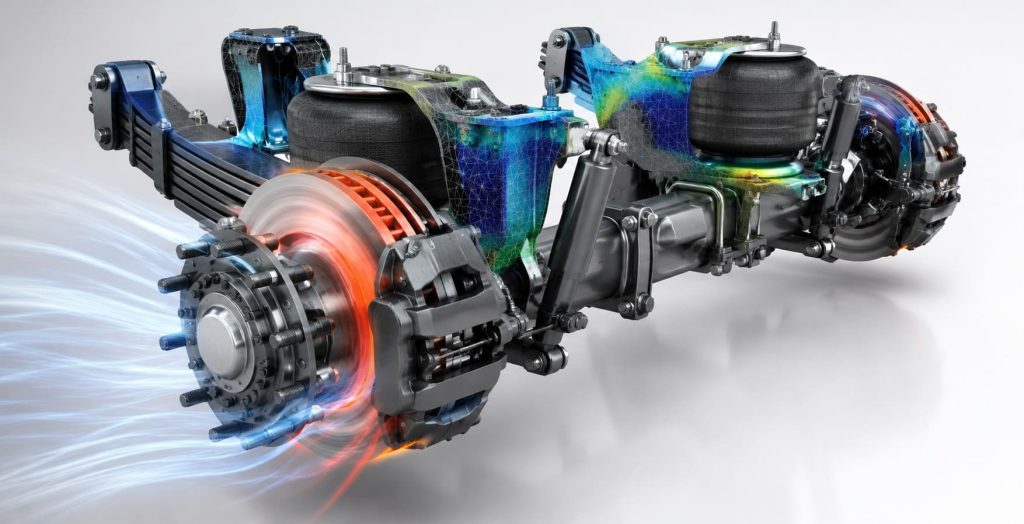
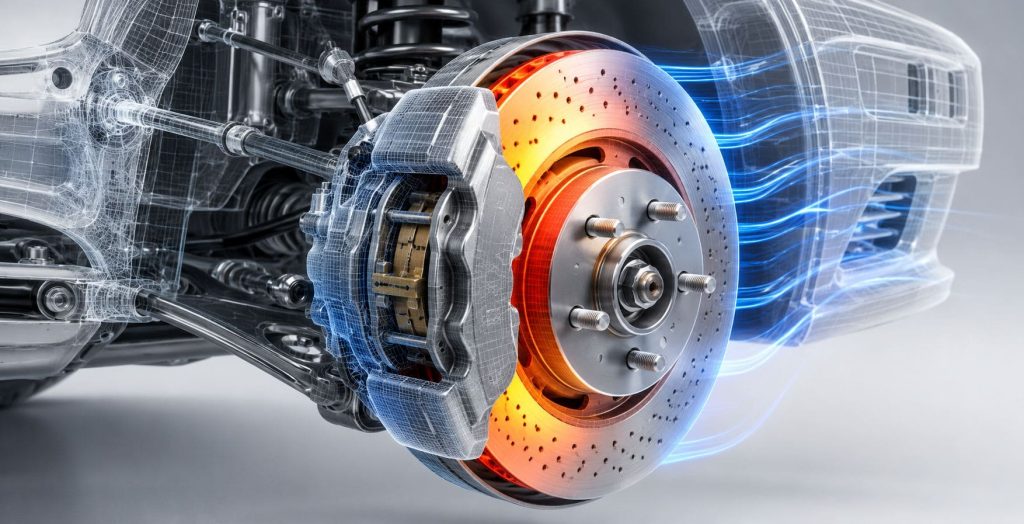
Thermal management of engines and braking systems for consistent performance.
NVH (Noise, Vibration, and Harshness) analysis to optimize passenger comfort by minimizing noise and vibration.
Industries
Component-Level Capabilities
Ansys offers advanced component-level simulation solutions that empower automotive engineers to optimize individual parts with precision. These tools support detailed analysis across structural, thermal, fluid, and electronic domains, ensuring reliability, safety, and performance at every stage of development.
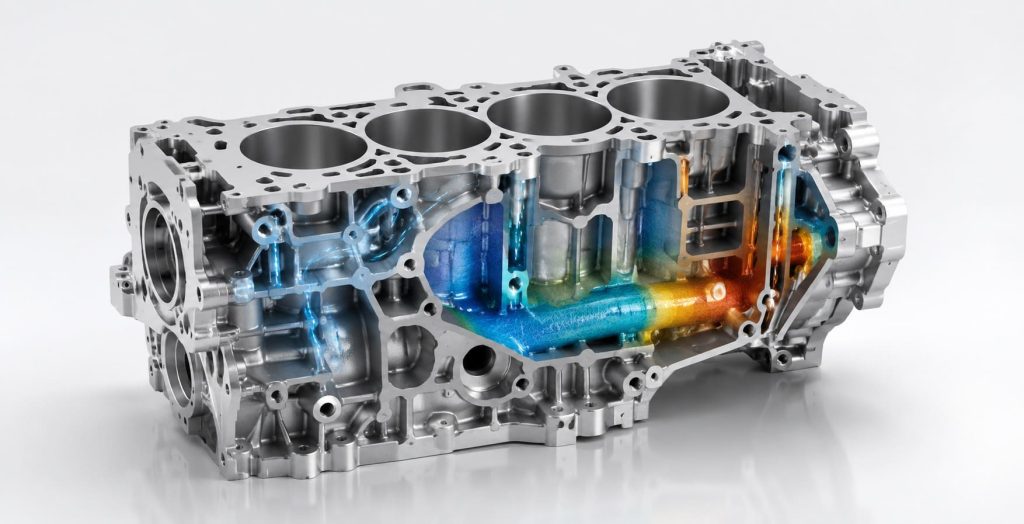
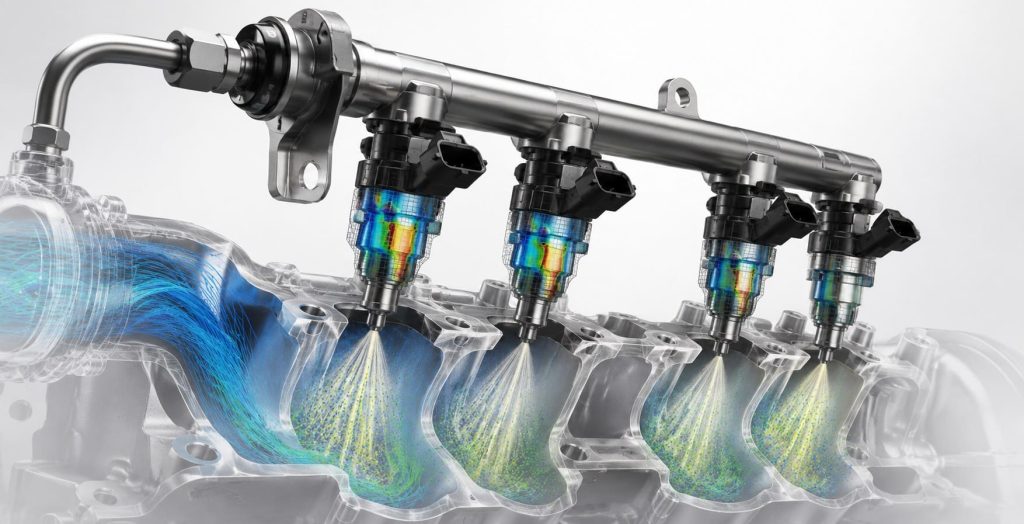
Conduct fluid dynamics simulation to optimize fuel atomization and air-fuel mixing to enhance combustion efficiency.
Assess structural durability and reliability under high-pressure conditions to prevent failures.
Industries
Relevant Ansys Software
Ansys provides a comprehensive suite of simulation tools including Ansys Mechanical, Fluent, LS-DYNA, Twin Builder and many more tailored to automotive design and analysis.
These solutions support every stage of vehicle development, from structural and thermal simulations to crash safety, aerodynamics, and digital twin technologies.
ANSYS provides in-depth simulation solutions tailored for the rigorous demands of heavy truck engineering.Its comprehensive tools enable analysis from structural robustness and thermal management to aerodynamic efficiency, ensuring optimal performance and reliability.
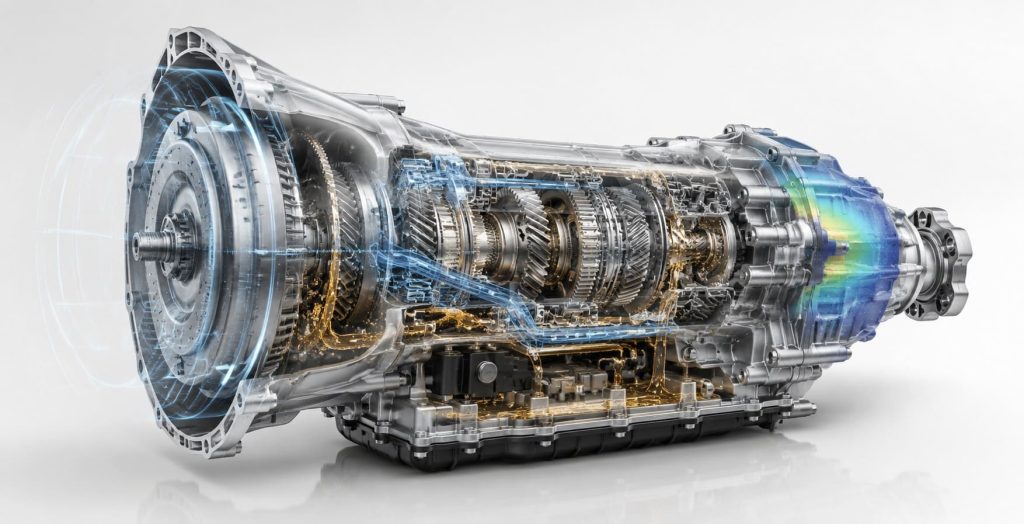
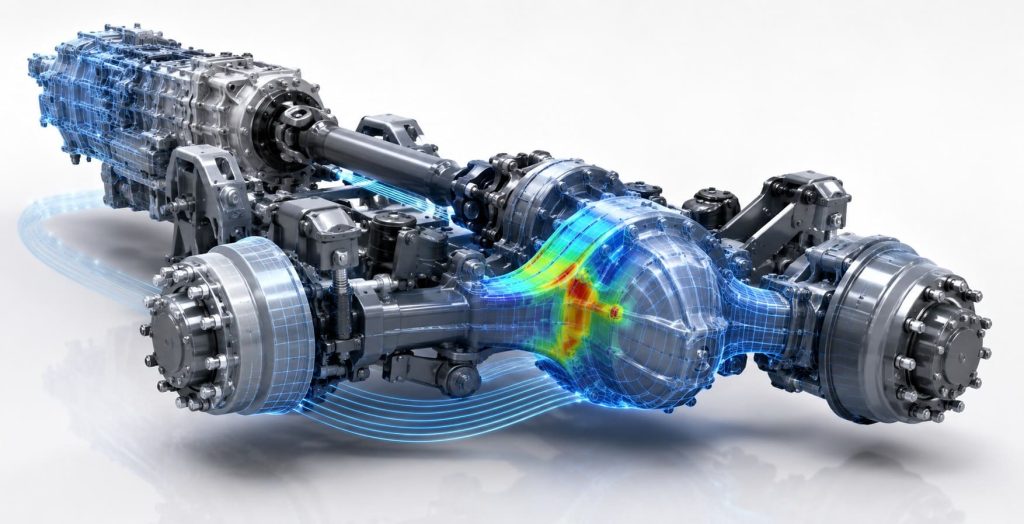
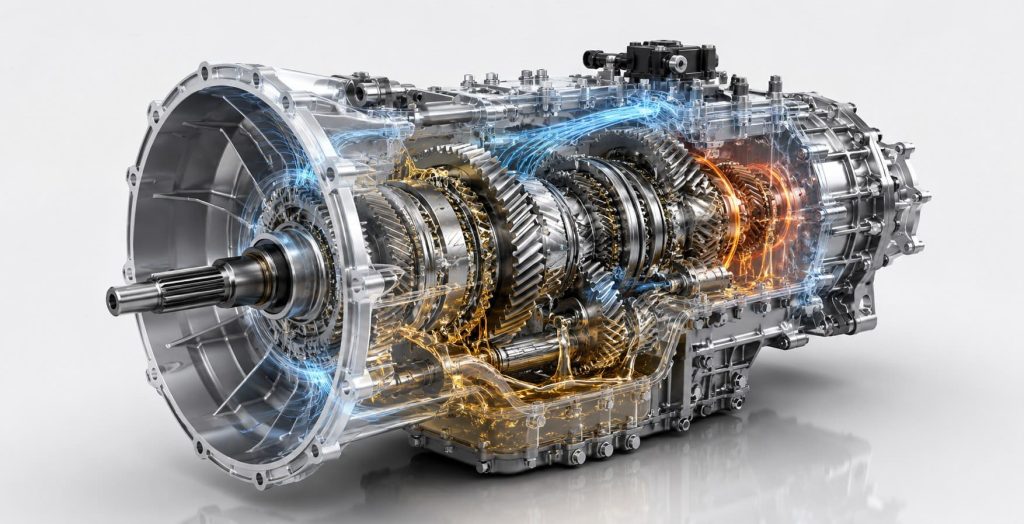
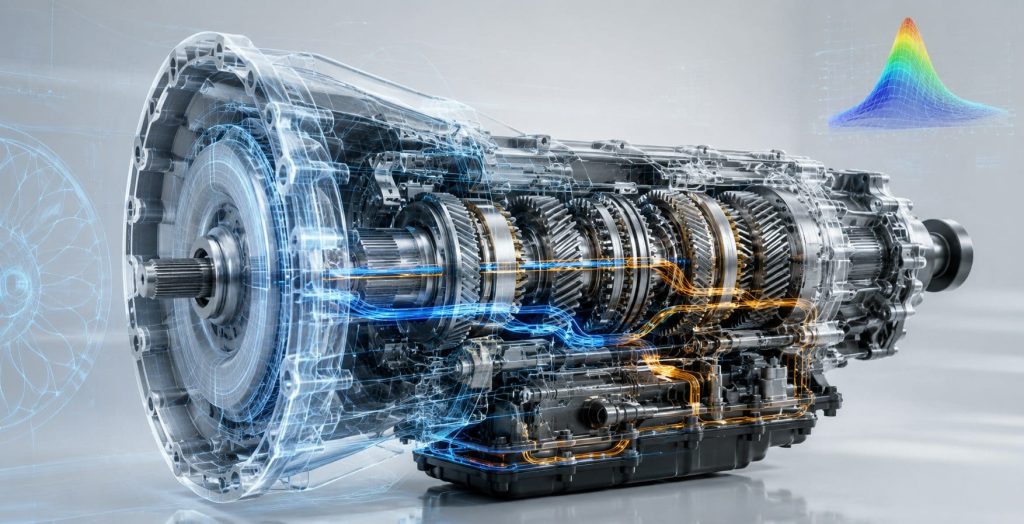
Test the structural strength of gears and other components under high-load conditions to ensure smooth performance.
Analyze noise and vibration levels in the gear train to improve component longevity.
Industries
Relevant Ansys Software
Ansys provides a comprehensive suite of simulation tools including Ansys Mechanical, Fluent, LS-DYNA, Twin Builder and many more tailored to automotive design and analysis.
These solutions support every stage of vehicle development, from structural and thermal simulations to crash safety, aerodynamics, and digital twin technologies.
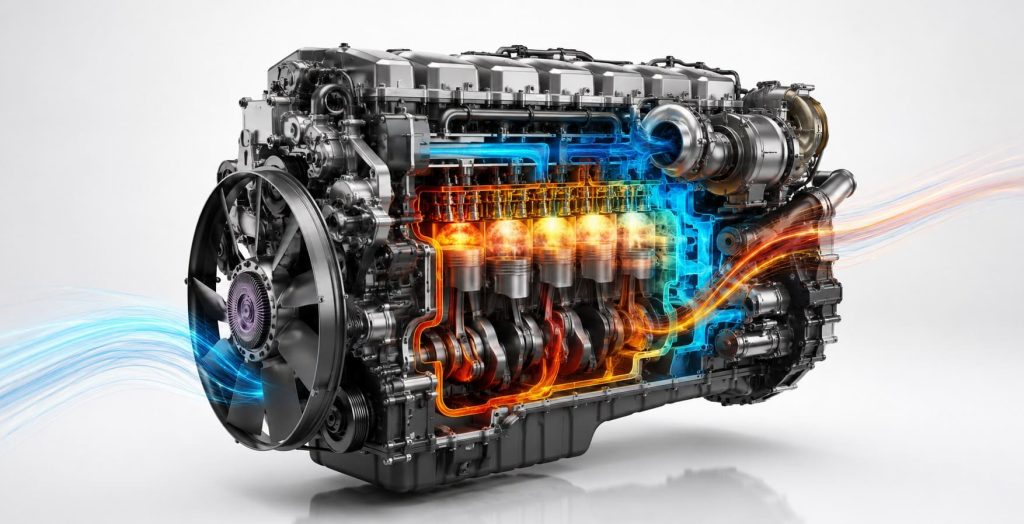
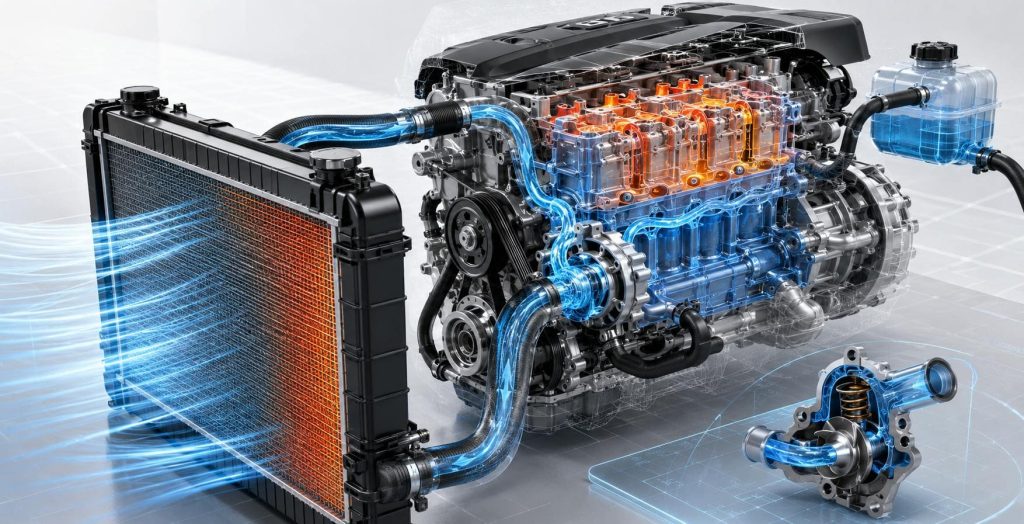
Use thermal simulations to manage heat dissipation and prevent engine overheating during extended high-performance runs.
Optimize cooling efficiency through fluid dynamics simulations to ensure consistent engine performance and temperature regulation under varying load conditions.
Perform wear analysis on gears to evaluate durability, ensuring smooth shifting and reliable performance.
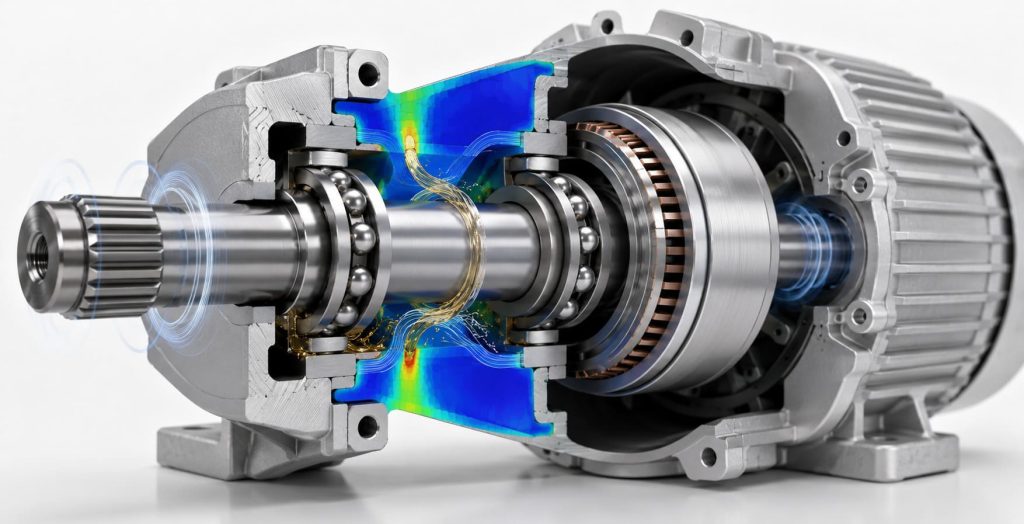
Simulate lubrication flow using computational fluid dynamics (CFD) to ensure adequate distribution of lubricant to all rotating components.
Industries
Relevant Ansys Software
Ansys provides a comprehensive suite of simulation tools including Ansys Mechanical, Fluent, LS-DYNA, Twin Builder and many more tailored to automotive design and analysis.
These solutions support every stage of vehicle development, from structural and thermal simulations to crash safety, aerodynamics, and digital twin technologies.
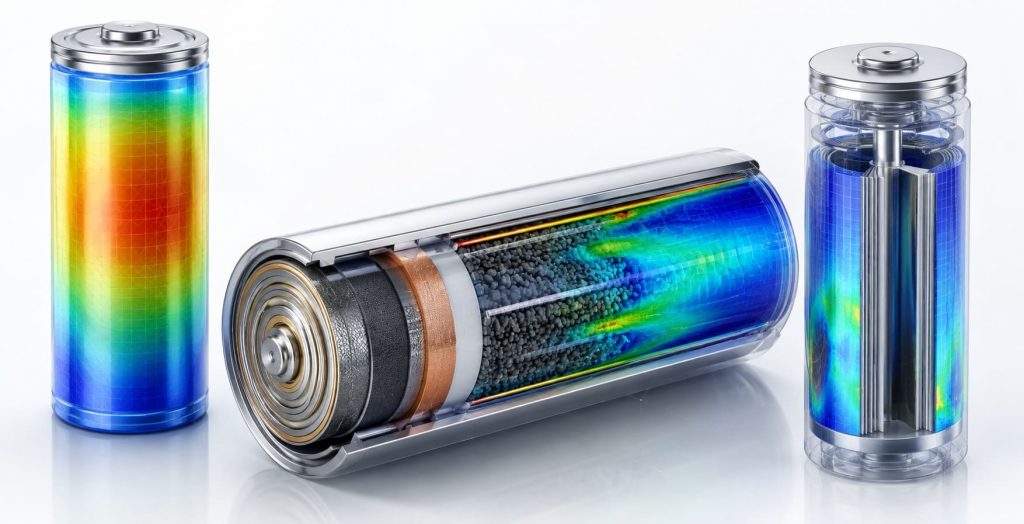
Simulate the electrochemistry of cells and assess the voltage and current density.
Analyze the thermal runaway of cells, to ensure a safer design of the battery.
Industries
Relevant Ansys Software
Ansys provides a comprehensive suite of simulation tools including Ansys Mechanical, Fluent, LS-DYNA, Twin Builder and many more tailored to automotive design and analysis.
These solutions support every stage of vehicle development, from structural and thermal simulations to crash safety, aerodynamics, and digital twin technologies.
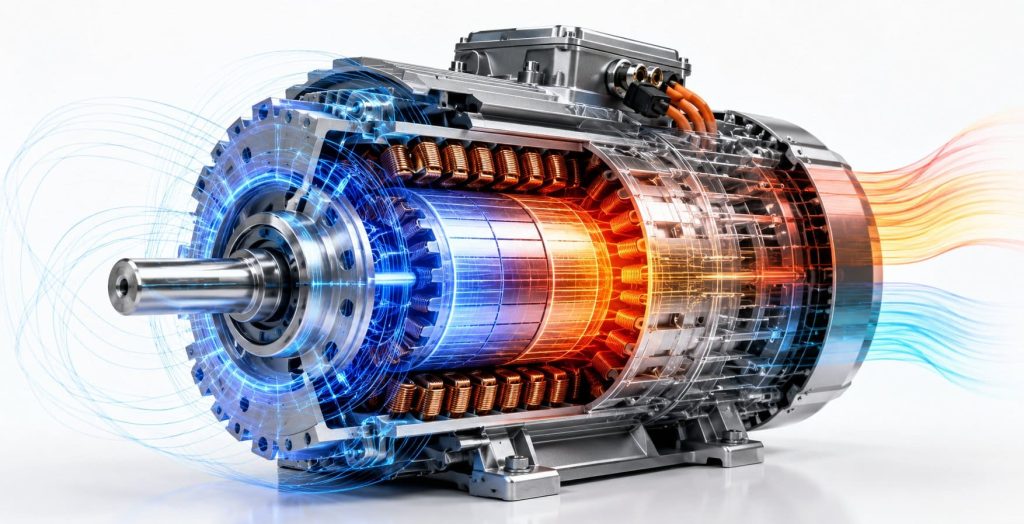
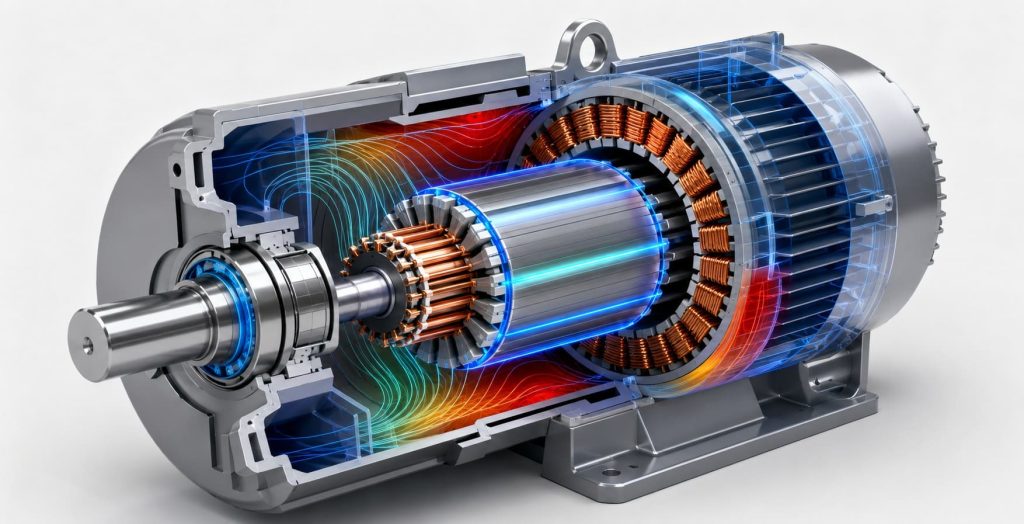
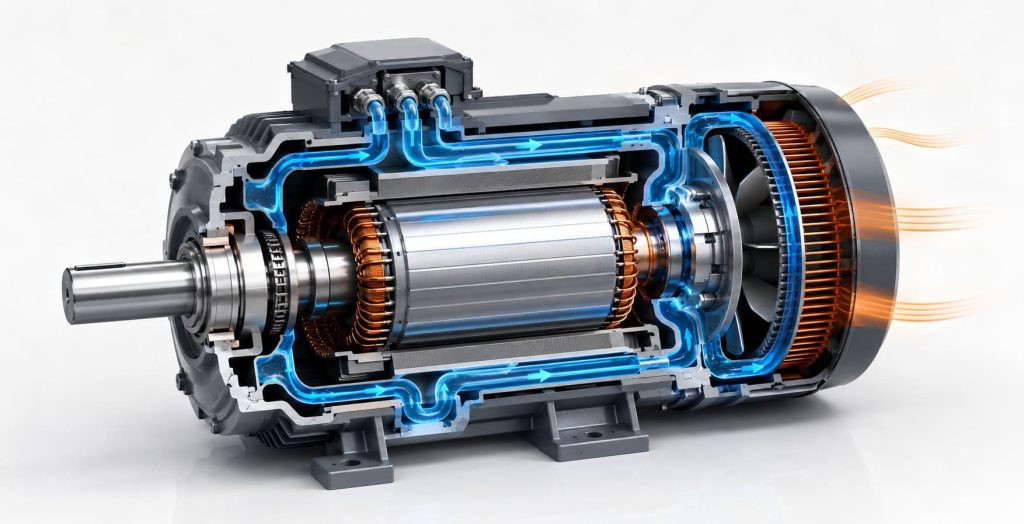
Ansys offers advanced electric motor simulation solutions to optimize design, performance, and efficiency across industries. From electromagnetic analysis to thermal and structural evaluation, Ansys ensures robust, high-performing motor systems with reduced development time.
Ansys provides a comprehensive suite of simulation tools including Ansys Mechanical, Fluent, LS-DYNA, Twin Builder and many more tailored to automotive design and analysis.
These solutions support every stage of vehicle development, from structural and thermal simulations to crash safety, aerodynamics, and digital twin technologies.
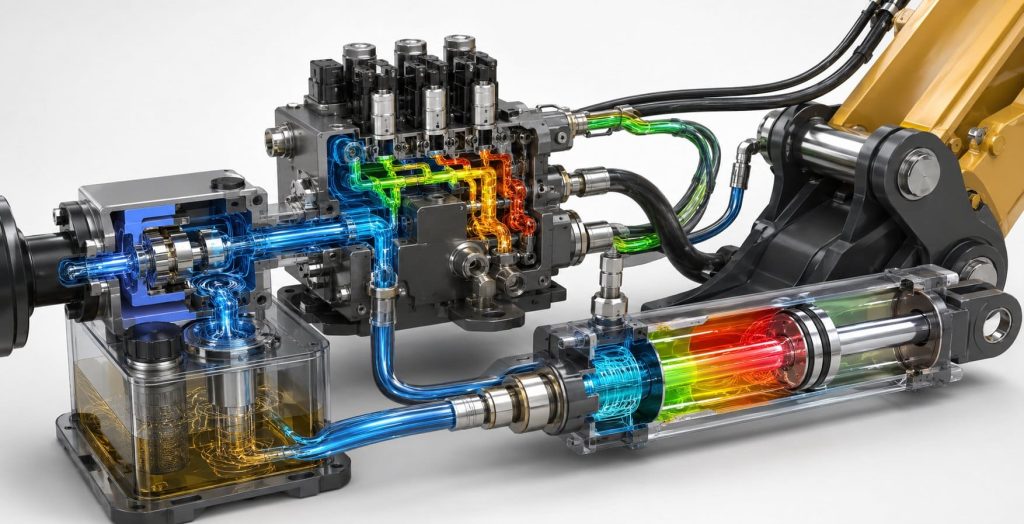
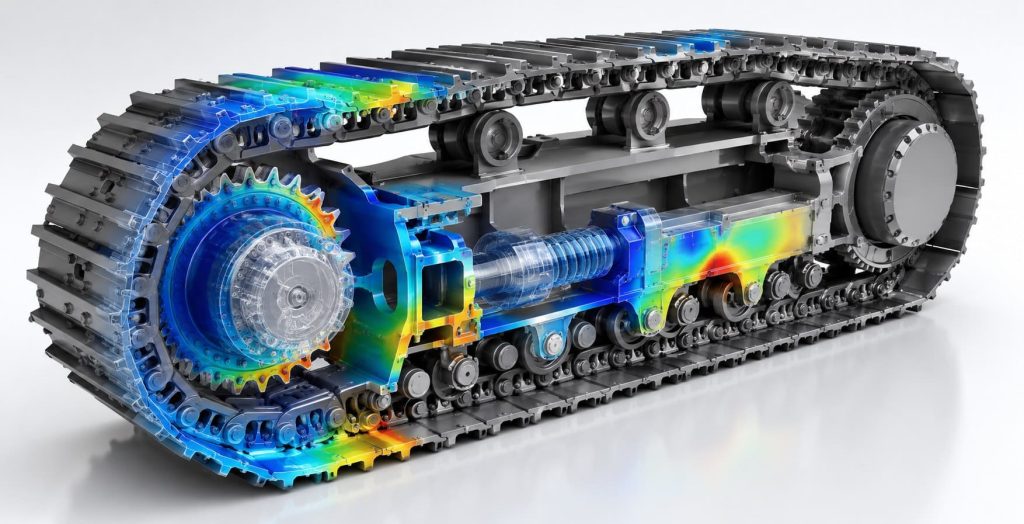
Ansys simulation solutions support the design and optimization of agriculture, construction, and mining vehicles for durability, efficiency, and safety.
From structural analysis to thermal, fluid, and electronics systems, Ansys enables reliable performance in the harshest operating conditions.
Simulate wear resistance for longevity in abrasive environments.
Perform rigid body motion analysis to optimize the movement and interaction of undercarriage components, ensuring smooth motion across rough terrains.
Industries
Relevant Ansys Software
Ansys provides a comprehensive suite of simulation tools including Ansys Mechanical, Fluent, LS-DYNA, Twin Builder and many more tailored to automotive design and analysis.
These solutions support every stage of vehicle development, from structural and thermal simulations to crash safety, aerodynamics, and digital twin technologies.
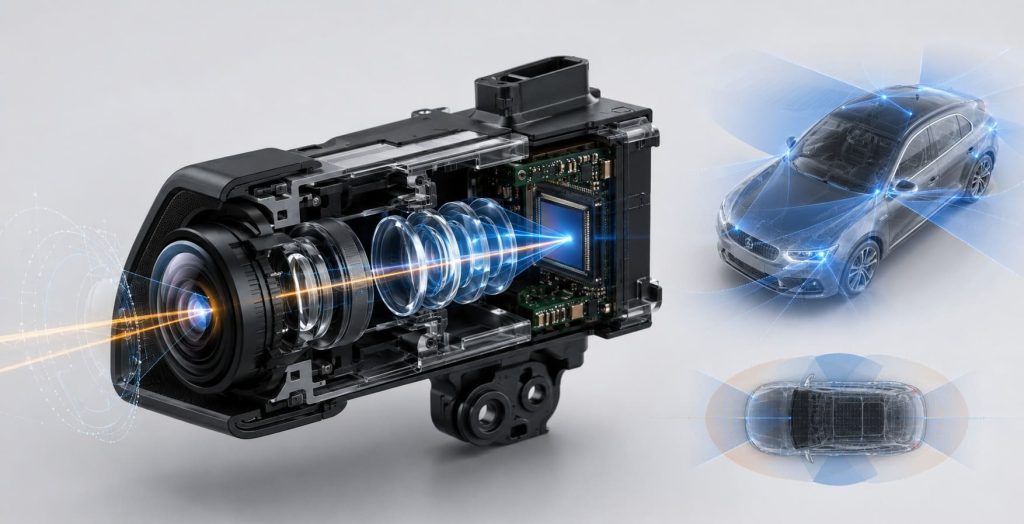
Ansys provides industry-leading simulation solutions for Autonomous Vehicle Systems and Advanced Driver Assistance Systems (ADAS).
From sensor modeling and perception algorithms to system integration and safety validation, Ansys enables reliable, real-world performance in virtual environments.
Validate control algorithms through software-in-the-loop (SIL) and hardware-in-the-loop (HIL) testing for optimal vehicle performance.
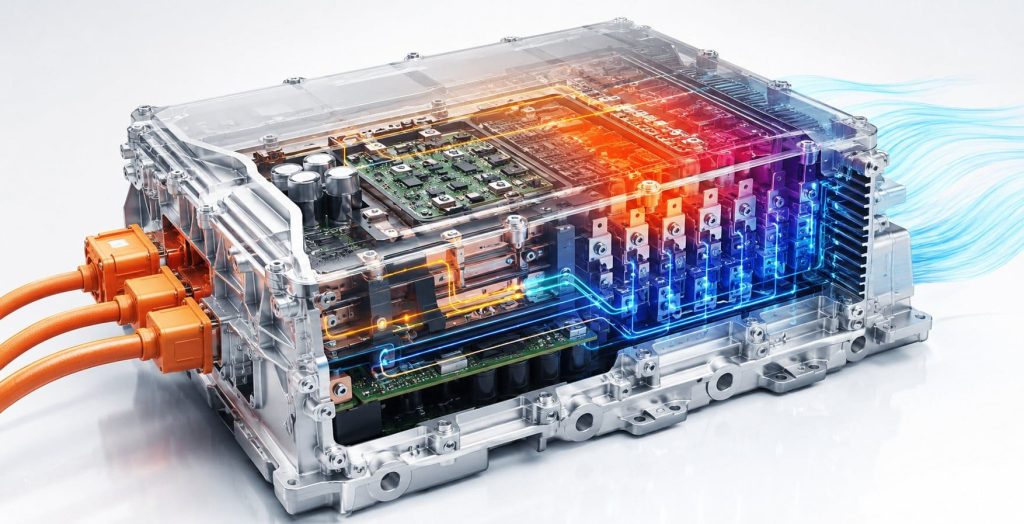
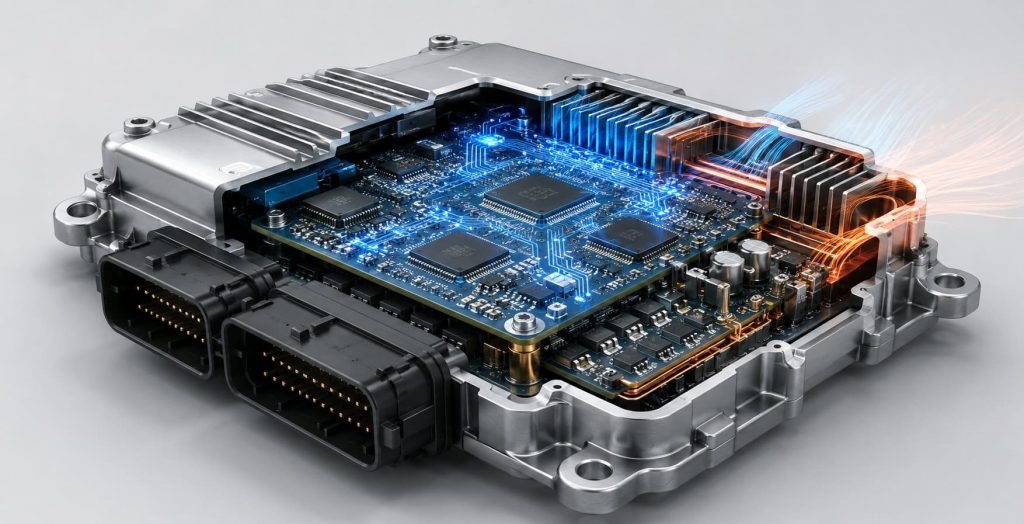
Perform electromagnetic analysis to test the ECU’s susceptibility to interference, ensuring it functions properly alongside other electrical systems within the vehicle.
Evaluate system responsiveness to maintain safe following distances in dynamic traffic conditions.
Test integration with vehicle control systems for smooth acceleration, deceleration, and braking.
Industries
Relevant Ansys Software
Ansys provides a comprehensive suite of simulation tools including Ansys Mechanical, Fluent, LS-DYNA, Twin Builder and many more tailored to automotive design and analysis.
These solutions support every stage of vehicle development, from structural and thermal simulations to crash safety, aerodynamics, and digital twin technologies.
A platform for testing and validating autonomous driving algorithms, including sensor fusion, perception systems, and decision-making processes in simulated environments.
A virtual simulation platform that tests and validates autonomous vehicle systems, including sensor performance (radar, LiDAR, cameras), object detection, and ADAS features, ensuring robust operation in real-world scenarios.
Simulates power integrity, signal integrity, and electromagnetic interference for electronic systems in autonomous vehicles, ensuring reliable sensor and communication performance.
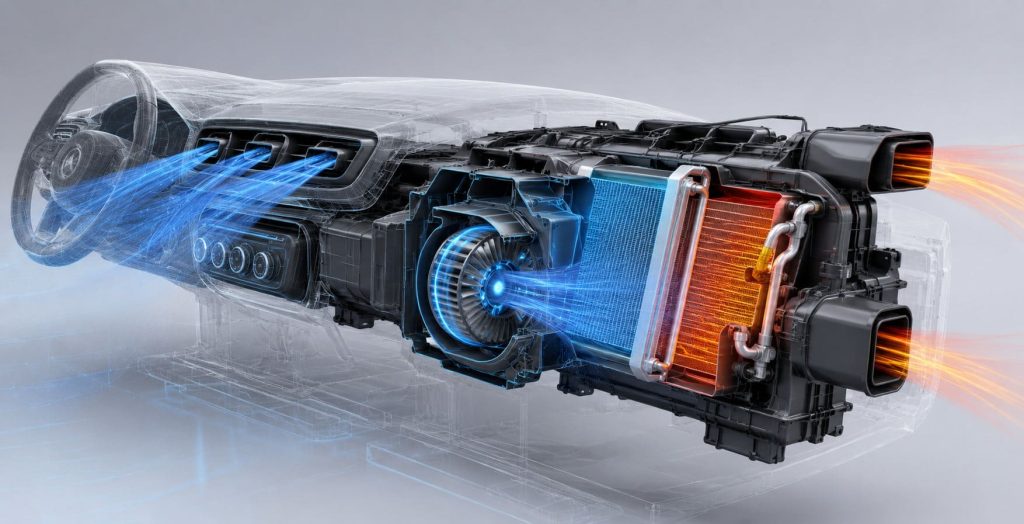
Perform thermal and fluid flow analysis to ensure consistent air distribution and conditioning for passenger comfort.
Analyze thermal expansion/contraction and stresses on system components due to heating or cooling.
Industries
Relevant Ansys Software
Ansys provides a comprehensive suite of simulation tools including Ansys Mechanical, Fluent, LS-DYNA, Twin Builder and many more tailored to automotive design and analysis.
These solutions support every stage of vehicle development, from structural and thermal simulations to crash safety, aerodynamics, and digital twin technologies.
How can ANSYS improve the performance of my automotive designs?
ANSYS allows for detailed simulation and analysis, enabling optimization of factors like aerodynamics, structural integrity, and thermal management. This leads to better performing and more efficient vehicles.
Can ANSYS help reduce the time and cost of automotive development?
Yes, by providing accurate virtual testing, ANSYS reduces the need for physical prototypes and testing cycles. This leads to faster development times and significant cost savings.
What types of automotive simulations can ANSYS perform?
ANSYS can handle a wide range of simulations, including crash analysis, fluid dynamics for aerodynamics, thermal analysis for engine cooling, and NVH analysis for noise reduction.
Is ANSYS compatible with my existing CAD software?
ANSYS is designed to integrate with most standard CAD software, ensuring a smooth workflow. We support common file formats for easy data transfer and interoperability
Transform Ideas into Reality—Explore Our Simulation Solutions Today!
Partner with Us to Revolutionize Engineering Excellence!
Highly informative ANSYS Mechanical training resolved contact, meshing, fatigue challenges, delivered professionally with structured sessions and dependable post-sales support.
Sneha Iyer — Simulation & Validation Lead
Strong CFD expertise and reliable consulting achieved high accuracy, building confidence and establishing a preferred partnership for complete ANSYS simulation solutions.
Aditya Rao — Senior FEA Specialist
Insightful ANSYS training enhanced analytical skills through expert guidance in FEA, CFD, geometry, meshing, and modeling for students and faculty.
Nikhil Bansal—Product Engineering
Outstanding ANSYS implementation and consulting delivered timely FEA and CFD support, strengthening team capabilities through structured, high-value training sessions.
Ananya Mehta — CAE Project Lead
Advanced ANSYS HPC and CFD solutions enabled effective hydro turbine simulations, supported by expert training, technical guidance, and reliable support.
Saurabh Joshi — Senior Mechanical Engineer
Customized SpaceClaim training with hands-on workshops improved modeling skills, supported by proactive guidance, tailored sessions, and strong application engineering expertise.
Pooja Shah — CFD & Thermal Analysis Lead
Advanced drone development benefited from ANSYS expertise, delivering effective FEA and CFD solutions, training, and support for complex engineering challenges.
Manish Gupta — Engineering Analysis Manager
Innovation in autonomous drones improved through ANSYS implementation, expert FEA, CFD consulting, and training for better validation, performance, and efficiency.
Arjun—Head – Engineering Analysis
Significant R&D improvements achieved through ANSYS expertise, accelerating validation, optimizing performance, and solving complex engineering challenges with expert support.
Rahul Mittal — Head of R&D
Rail solutions enhanced using ANSYS ICEPAK and Mechanical, delivering expert training, strong FEA, CFD support, and deeper understanding of core physics.
Vikram Sharma — Lead Engineer – Simulation
Responsive CFD support and training enabled faster validation, solving meshing challenges and strengthening R&D team’s simulation and design capabilities effectively.
Neha Kapoor — Manager – R&D
Reliable ANSYS implementation and FEA expertise delivered consistently under challenging conditions, demonstrating professionalism, technical strength, and strong project commitment.
Arjun Mehta — Senior Simulation Engineer
Engineering capabilities improved with ANSYS Mechanical expertise, optimizing components through hands-on training, prompt support, and strong FEA knowledge application.
Rohan Malhotra—Engineering Manager–CAE
Exceptional ANSYS expertise combining LS-DYNA and Mechanical training, supported by proactive guidance, solving complex challenges with professionalism and customer-focused collaboration.
Priya Nair — Lead CFD Engineer
Informative ANSYS Mechanical training enhanced analytical skills, delivered smoothly with strong coordination, structured sessions, and excellent trainer support throughout program.
Amit Verma — Senior Design Engineer
ANSYS FEA and CFD expertise improved product reliability, optimization, and efficiency through strong consulting, implementation, training, and dedicated technical support.