Modeling and simulation are proven ways to address the high and unsustainable costs and time required for design and regulatory approval of increasingly complex healthcare solutions. This in silico approach maximizes patient safety while making healthcare more affordable.
Accelerating Innovation in Healthcare With In Silico Medicine
The healthcare industry is at the forefront of advancing medical science, improving patient care, and developing innovative treatment solutions. With the growing demand for precision, reliability, and efficiency in medical devices, drug delivery systems, and treatment methods, simulation tools play a critical role in optimizing designs and ensuring safety. Ansys provides a comprehensive suite of simulation solutions, including Ansys Mechanical for structural analysis, Ansys Fluent for fluid dynamics, Ansys HFSS and Ansys Maxwell for electromagnetic field simulations, Ansys LS-DYNA for impact and durability testing, and Ansys Granta for selection of best materials and materials data management. These tools help healthcare engineers create safer, more effective solutions that improve patient outcomes and drive innovation.
ANSYS solutions for Cardiovascular applications provide advanced simulation of blood flow, vessel dynamics, and medical device interaction. These tools support the design of safer, more effective treatments and devices for cardiovascular health.
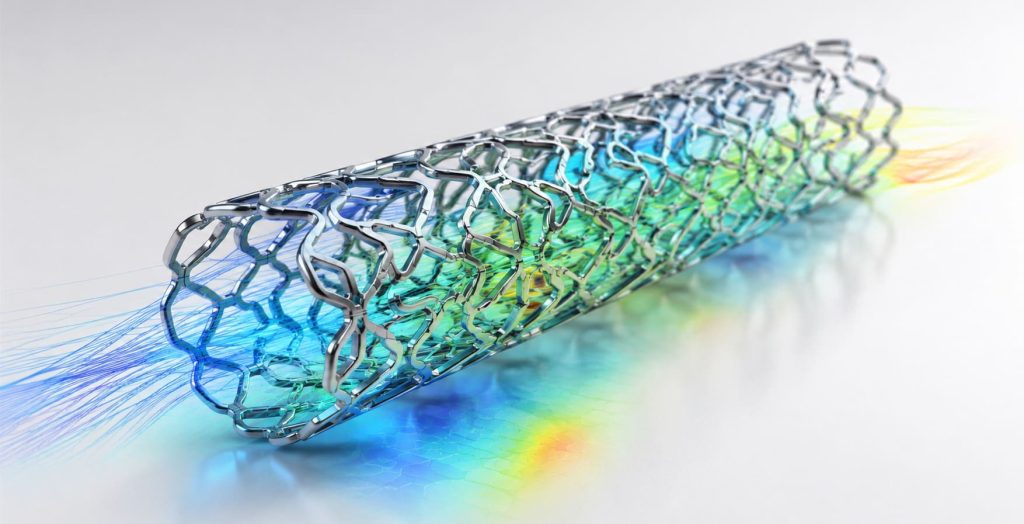
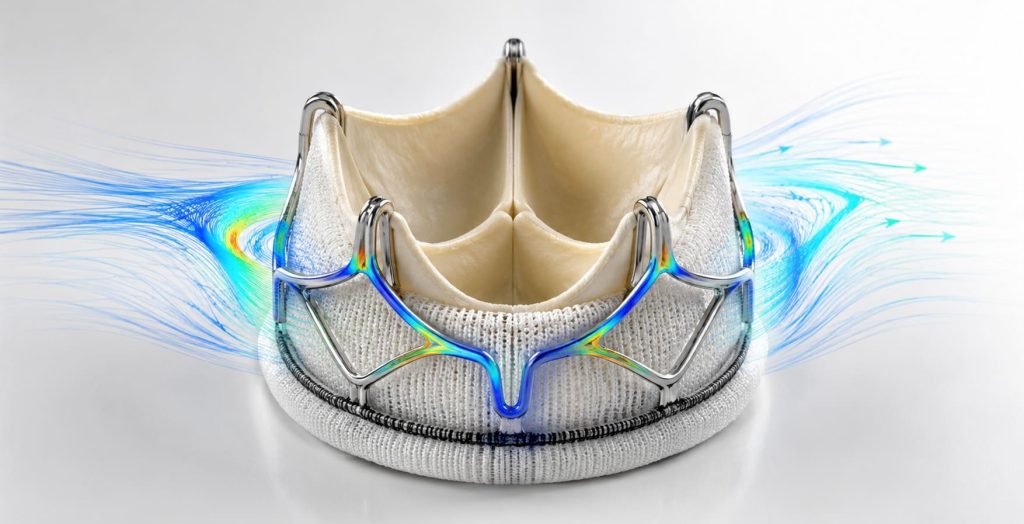
Structural analysis for stents, valves, and other cardiovascular implants to enhance durability and prevent failure.
Fluid dynamics simulations to optimize blood flow in cardiovascular devices, ensuring efficient functioning.
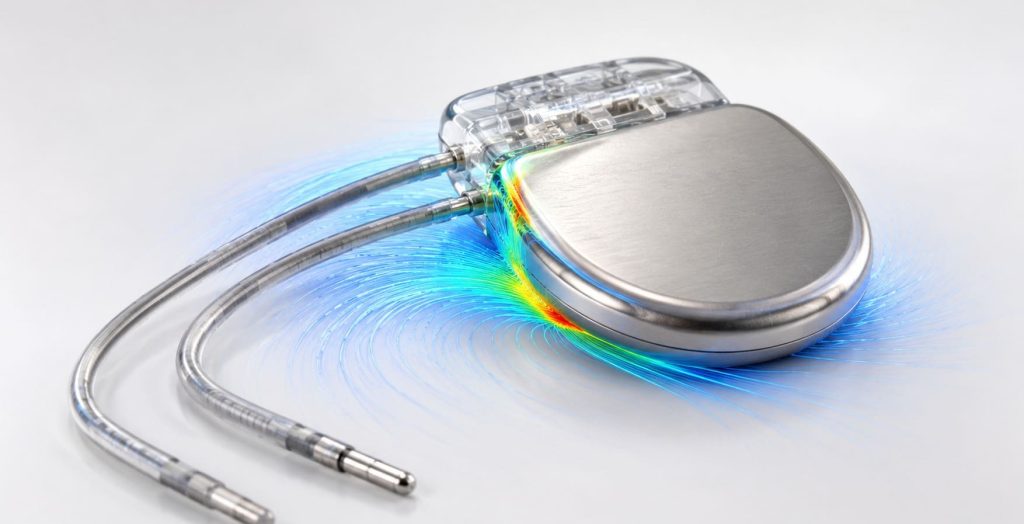
Electromagnetic simulations for pacemakers to ensure safe and reliable operation within the human body.
Thermal analysis to ensure the devices maintain safe operating temperatures during continuous use.
Vibration analysis to enhance device stability and performance, ensuring longevity and patient safety.
Industries
Component-Level Capabilities
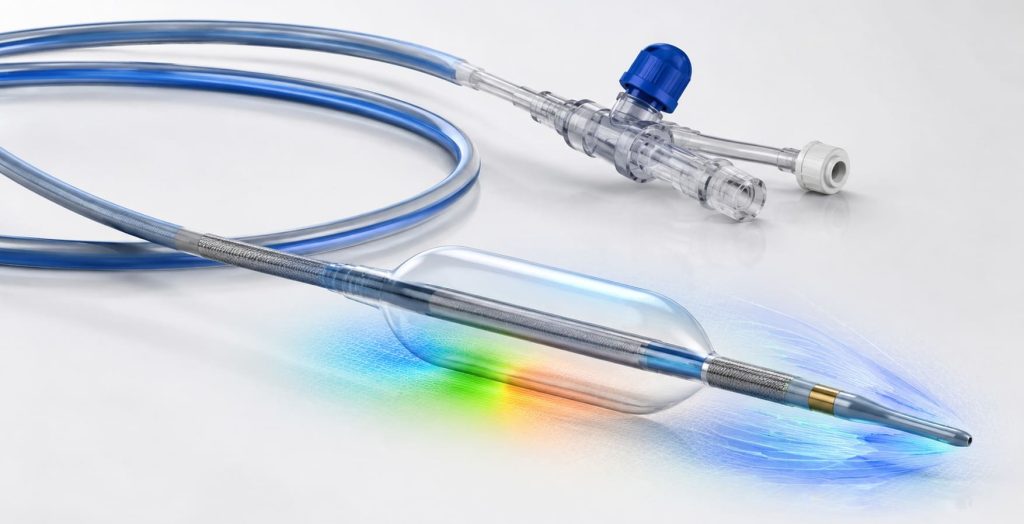
ANSYS Component-Level Capabilities for Cardiovascular applications enable detailed simulation of stents, valves, catheters, and vascular structures. These tools help optimize device performance, biocompatibility, and durability in real-world physiological conditions.
Analyze fluid dynamics to enhance the precision and efficiency of drug or fluid delivery and reduce clotting risks.
Test structural flexibility to ensure ease of insertion and comfort during patient use.
Industries
Relevant Ansys Software
Relevant ANSYS software for Cardiovascular applications includes ANSYS Fluent, Mechanical, and SpaceClaim to simulate blood flow, structural behavior, and device-tissue interaction. These tools enable accurate modeling for innovative and reliable cardiovascular device design.
Simulates the manufacturing process of polymers used in cardiovascular devices, including stents and artificial heart valves.
Industry
Orthopedics
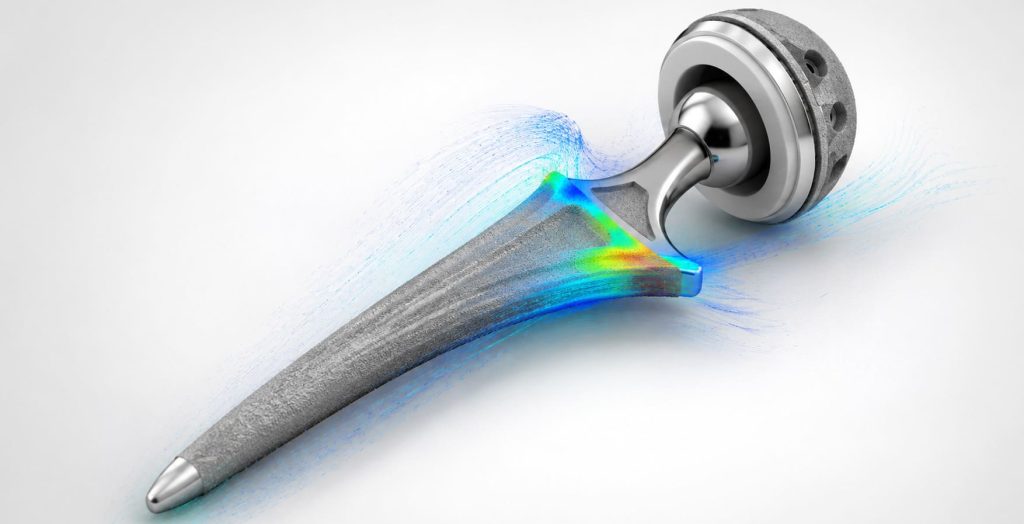
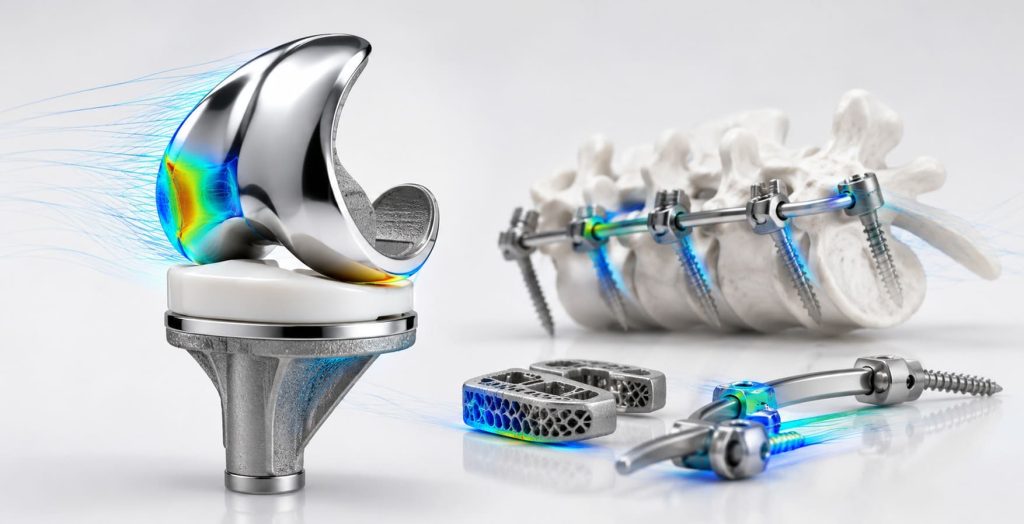
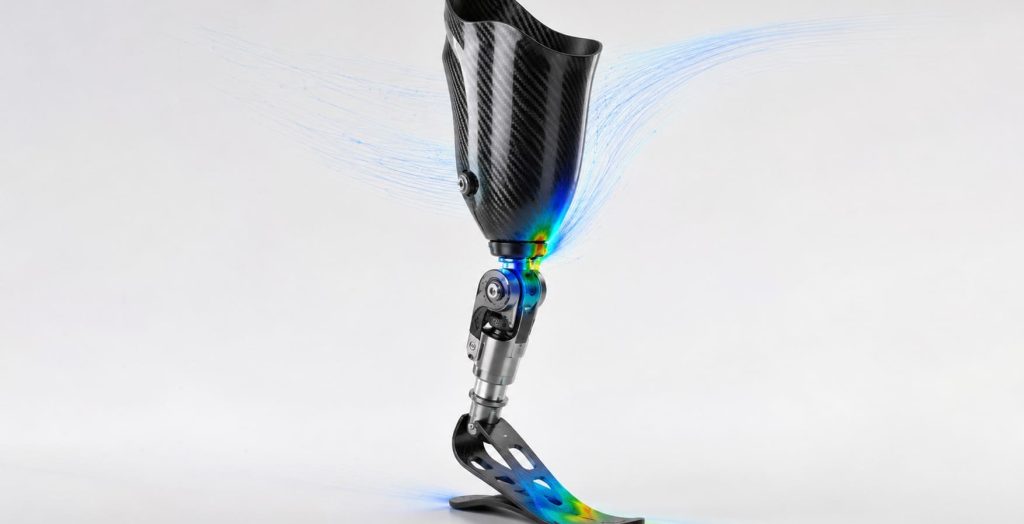
ANSYS solutions for Orthopedics provide advanced simulation of bones, joints, and orthopedic implants to evaluate mechanical performance and biological interaction. These tools help improve implant design, patient safety, and treatment outcomes.
Structural analysis for implants and prosthetics to optimize strength and longevity under various loading conditions.
Vibration and fatigue testing to ensure long-term durability of orthopedic devices under repeated mechanical stresses.
Explicit dynamics to evaluate the response of components due to mechanical shock and impacts.
Industries
Component-Level Capabilities
ANSYS Component-Level Capabilities for Orthopedics enable precise simulation of implants, bone structures, and joint mechanics under physiological loads. These tools support the design of durable, biocompatible solutions tailored for improved patient outcomes.
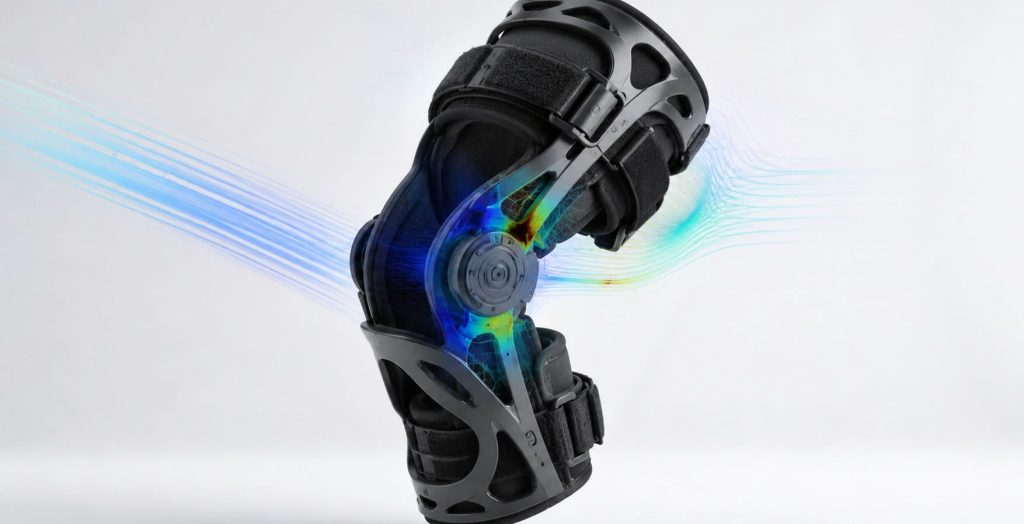
Conduct flexibility and stress analysis to optimize support for injury prevention and enhance recovery.
Perform fatigue analysis to assess the long-term durability and ensure the brace maintains performance under repeated mechanical stresses.
Industries
Relevant Ansys Software
Relevant ANSYS software for Orthopedics includes ANSYS Mechanical, SpaceClaim, and LS-DYNA to simulate structural integrity, implant fit, and impact response. These tools enhance orthopedic device design, performance, and patient-specific customization.
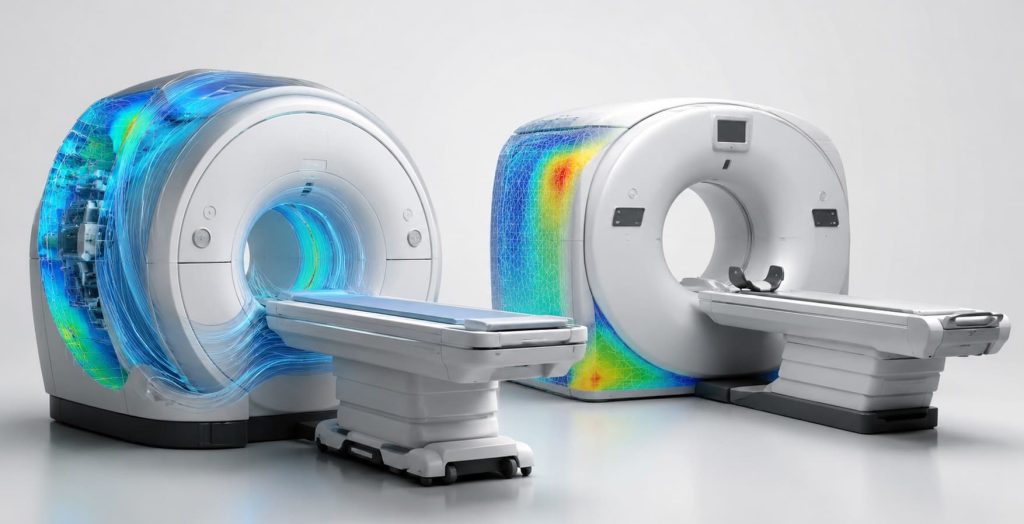
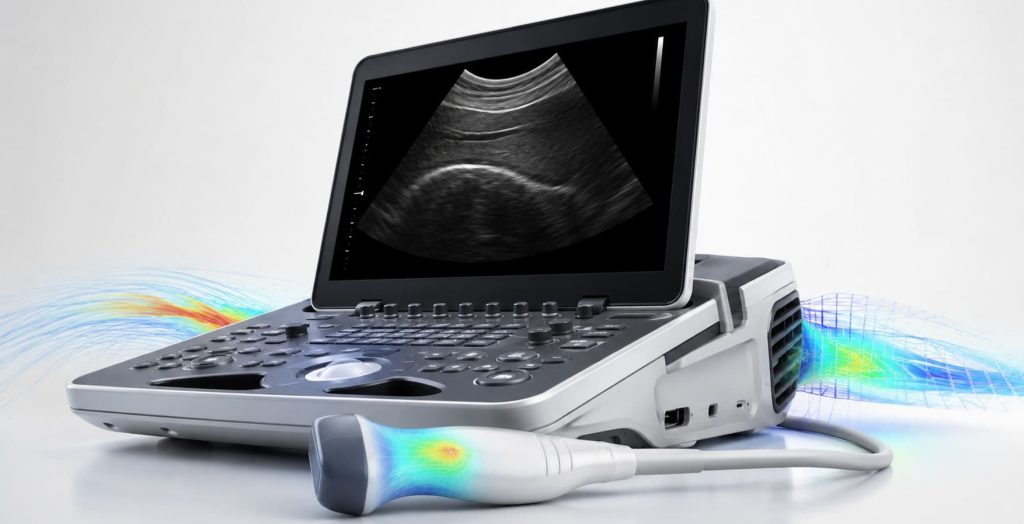
ANSYS solutions for Diagnostics and Personalized Medicine enable simulation of medical devices, fluid dynamics, and patient-specific models to improve diagnostic accuracy and treatment planning. These tools support the development of tailored healthcare solutions and advanced medical technologies.
Electromagnetic simulations for medical imaging devices to enhance diagnostic accuracy and reduce operational interference.
Fluid dynamics simulations to optimize contrast agent delivery in imaging systems for improved visualization.
Structural and thermal analysis for diagnostic equipment durability to ensure reliable operation in medical environments.
Industries
Component-Level Capabilities
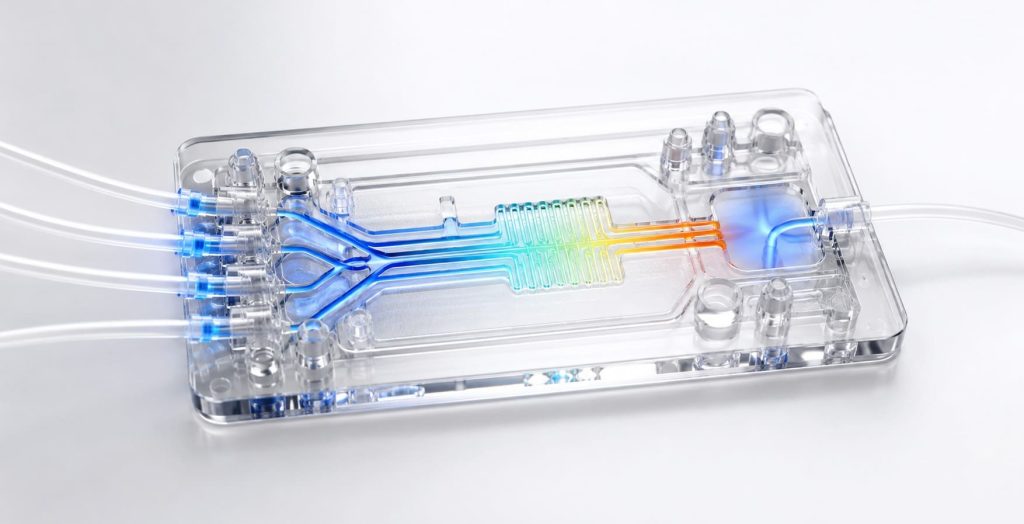
ANSYS Component-Level Capabilities for Diagnostics and Personalized Medicine allow detailed simulation of devices such as biosensors, microfluidics, and diagnostic tools. These solutions enable precision, reliability, and customization for patient-specific healthcare technologies.
Simulate fluid dynamics to improve the flow of fluid through the narrow channels of the device.
Perform structural analysis to assess the mechanical strength and reliability of the device under operational stresses.
Industries
Relevant Ansys Software
Relevant ANSYS software for Diagnostics and Personalized Medicine includes ANSYS Fluent, Mechanical, and Discovery to simulate fluid dynamics, structural behavior, and device performance. These tools support the development of accurate, patient-specific diagnostic and therapeutic solutions.
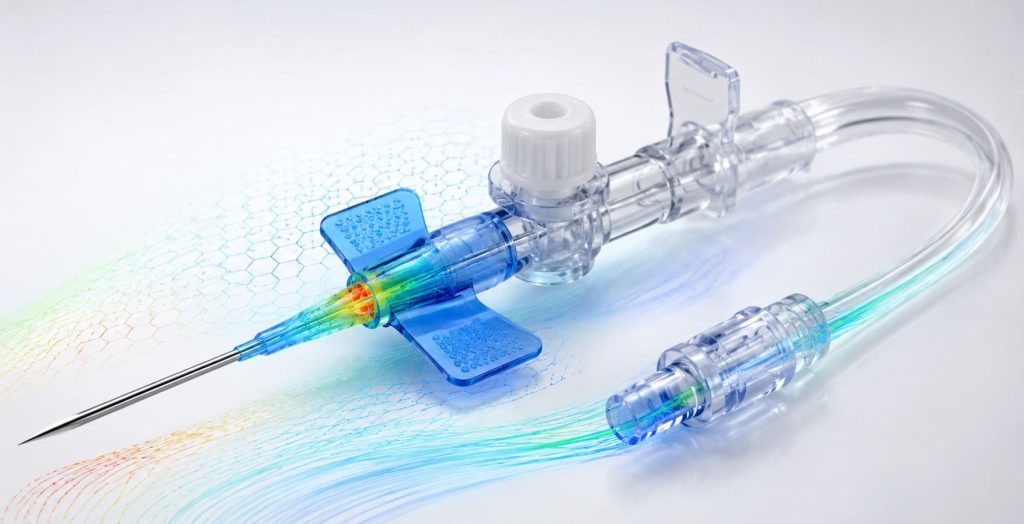
ANSYS solutions for Medical and Hospital Supplies provide advanced simulation tools to optimize the design, performance, and safety of medical devices and consumables. These tools ensure product reliability, regulatory compliance, and improved patient outcomes.
Structural analysis for durability and safety of medical supplies to ensure consistent quality.
Fluid dynamics for optimizing liquid handling and flow control in medical devices.
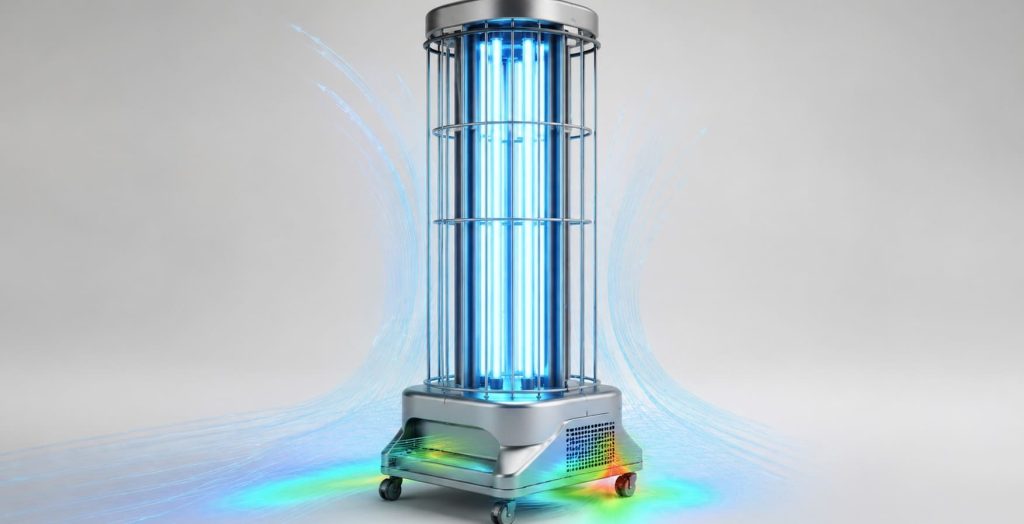
Electromagnetic simulations for the design of UV disinfecting-equipment and electronic medical devices.
Thermal analysis to maintain safe operating temperatures for various devices and systems.
Industries
Component-Level Capabilities
ANSYS Component-Level Capabilities for Medical and Hospital Supplies enable detailed simulation of individual devices such as implants, syringes, and diagnostic tools. These tools ensure optimal performance, durability, and biocompatibility in healthcare applications.
Perform structural analysis to ensure the reliability of components under mechanical stresses during use.
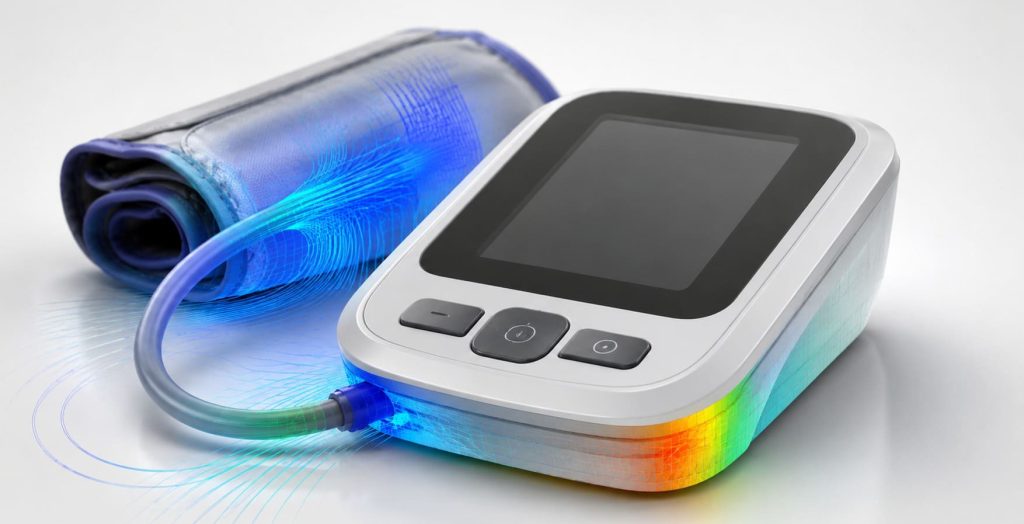
Simulate fluid dynamics to analyze the pressure distribution and flow characteristics within the cuff and tubes.
Industries
Relevant Ansys Software
Relevant ANSYS software for Medical and Hospital Supplies includes ANSYS Mechanical, Fluent, and SpaceClaim to simulate structural integrity, fluid dynamics, and product design. These tools help optimize device functionality, safety, and regulatory compliance in healthcare environments.
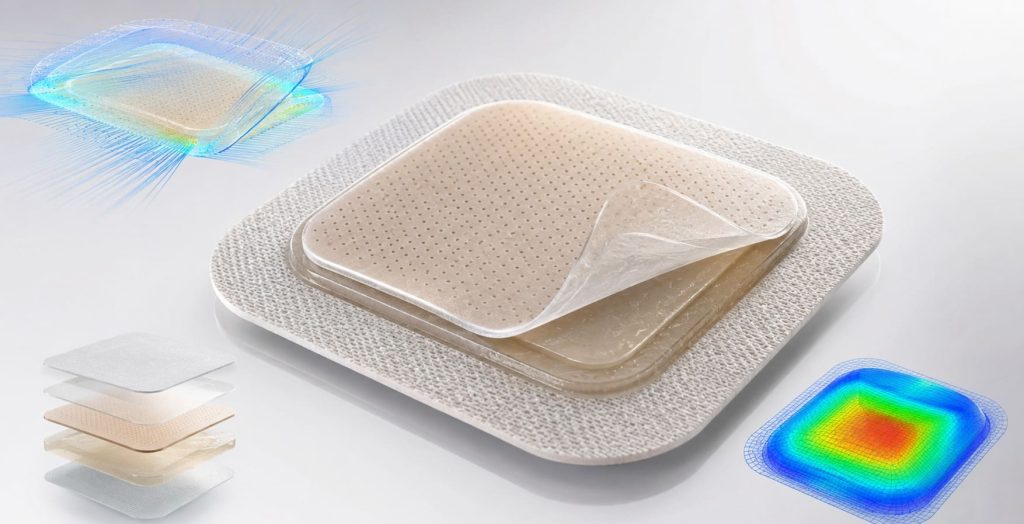
Simulates additive manufacturing processes to ensure 3D-printed medical devices meet performance standards for structure and thermal properties.
Ansys Polyflow
Simulates polymer processing, useful for designing lightweight and durable polymer-based medical components.
Ansys Composite PrepPost
Used for analyzing composite materials in medical devices, ensuring they meet strength and durability requirements for implants and prosthetics.
Ansys Composite Cure Simulation
Simulates the curing process of composite materials, ensuring that parts such as medical device enclosures or structural components meet specifications.
Industry
Fluid Dynamics in Drug Delivery Systems
ANSYS solutions for Fluid Dynamics in Drug Delivery Systems simulate fluid flow and interaction within delivery mechanisms like injectors, pumps, and capsules. These tools optimize the efficiency, precision, and effectiveness of drug delivery, enhancing therapeutic outcomes.
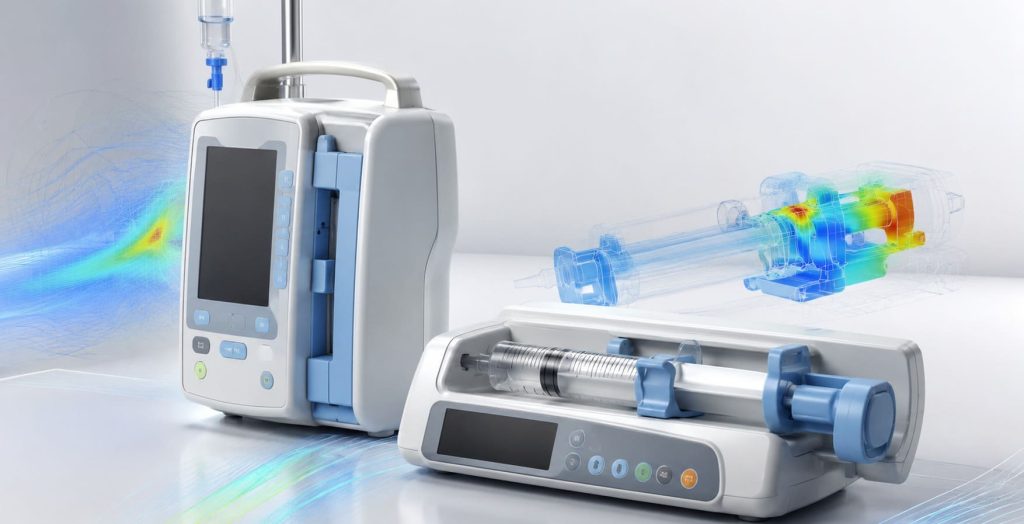
Fluid dynamics simulation to enhance the efficiency and accuracy of drug delivery mechanisms.
Structural analysis of devices to ensure reliable operation under varying loads.
Thermal analysis to preserve drug stability during storage and administration.
Industries
Component-Level Capabilities
ANSYS Component-Level Capabilities for Fluid Dynamics in Drug Delivery Systems enable detailed simulation of individual components like microfluidic channels, pumps, and reservoirs. These tools optimize flow characteristics, enhance precision, and improve the overall effectiveness of drug delivery devices.
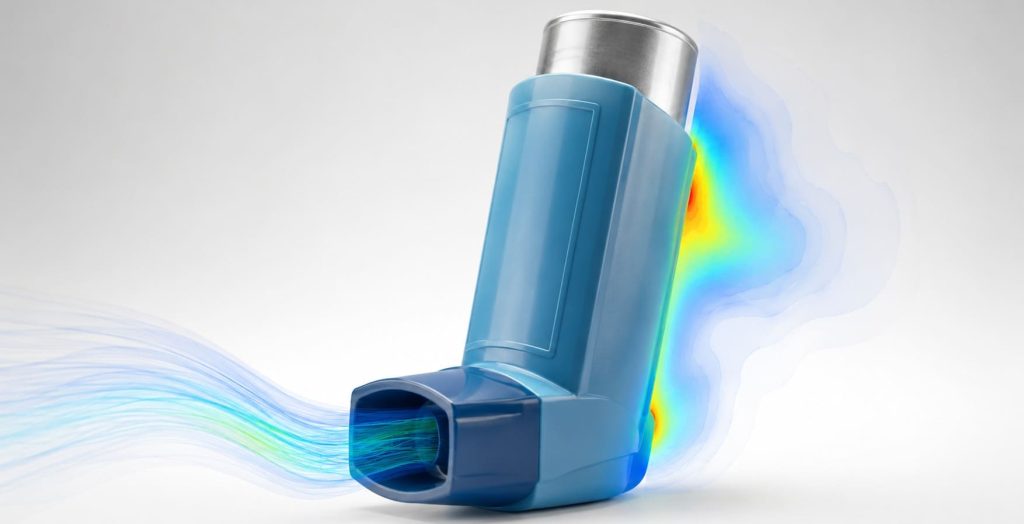
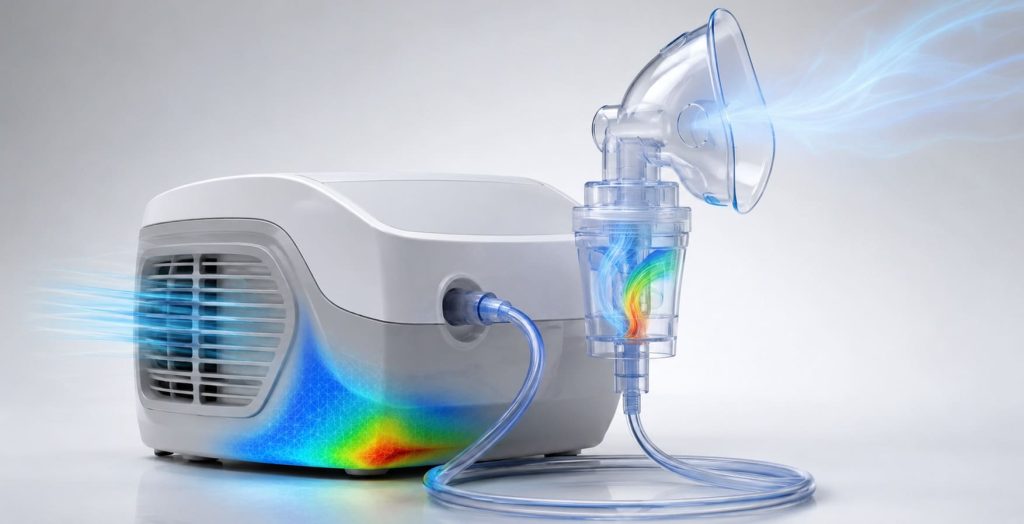
Simulate fluid dynamics of atomization of the drug to ensure effective medication delivery.
Perform acoustic analysis to evaluate sound levels and vibrations generated during nebulizer operation, ensuring patient comfort.
Industries
Relevant Ansys Software
Relevant ANSYS software for Fluid Dynamics in Drug Delivery Systems includes ANSYS Fluent and CFX to simulate fluid flow, mixing, and pressure in delivery systems. These tools ensure optimized performance, accurate dosing, and enhanced drug delivery efficiency.
Evaluates the fatigue life and long-term reliability of moving parts in reusable drug delivery systems, such as mechanical pumps and spring mechanisms.
Ansys Polyflow
Models polymer extrusion and blow moulding processes, enabling the design and manufacturing of disposable components like syringes and catheter tubing used in drug delivery systems.
Ansys Additive Suite
Simulates 3D printing processes to ensure reliability and precision of parts in drug delivery devices, such as inhalers or injectors.
FAQ
Interested in our Product or Solution
Connect with our team to explore how our tailored solutions can drive innovation and efficiency for your business.
Let’s work together to turn your challenges into opportunities.
How is ANSYS software used in the healthcare industry?
ANSYS enables the simulation of medical devices, implants, and biological systems to ensure safety, reliability, and performance before clinical trials or manufacturing.
What kinds of medical products can be tested using ANSYS?
ANSYS supports simulation for devices like stents, prosthetics, surgical instruments, drug delivery systems, diagnostic equipment, and wearable health tech.
Can ANSYS help meet regulatory compliance for medical devices?
Yes, ANSYS simulations assist in generating data and reports that align with FDA, CE, and other regulatory requirements, helping reduce the time and cost of certification.
Does ANSYS support biomechanical and fluid dynamics simulations?
Absolutely. ANSYS can simulate blood flow, tissue interaction, and biomechanical behavior to optimize design for comfort, functionality, and longevity.
How does ANSYS accelerate innovation in healthcare?
By enabling virtual prototyping, multi-physics simulation, and design optimization, ANSYS shortens development cycles, reduces testing costs, and drives faster, safer innovation.
Transform Ideas into Reality—Explore Our Simulation Solutions Today!
Partner with Us to Revolutionize Engineering Excellence!
Highly informative ANSYS Mechanical training resolved contact, meshing, fatigue challenges, delivered professionally with structured sessions and dependable post-sales support.
Sneha Iyer — Simulation & Validation Lead
Strong CFD expertise and reliable consulting achieved high accuracy, building confidence and establishing a preferred partnership for complete ANSYS simulation solutions.
Aditya Rao — Senior FEA Specialist
Insightful ANSYS training enhanced analytical skills through expert guidance in FEA, CFD, geometry, meshing, and modeling for students and faculty.
Nikhil Bansal—Product Engineering
Outstanding ANSYS implementation and consulting delivered timely FEA and CFD support, strengthening team capabilities through structured, high-value training sessions.
Ananya Mehta — CAE Project Lead
Advanced ANSYS HPC and CFD solutions enabled effective hydro turbine simulations, supported by expert training, technical guidance, and reliable support.
Saurabh Joshi — Senior Mechanical Engineer
Customized SpaceClaim training with hands-on workshops improved modeling skills, supported by proactive guidance, tailored sessions, and strong application engineering expertise.
Pooja Shah — CFD & Thermal Analysis Lead
Advanced drone development benefited from ANSYS expertise, delivering effective FEA and CFD solutions, training, and support for complex engineering challenges.
Manish Gupta — Engineering Analysis Manager
Innovation in autonomous drones improved through ANSYS implementation, expert FEA, CFD consulting, and training for better validation, performance, and efficiency.
Arjun—Head – Engineering Analysis
Significant R&D improvements achieved through ANSYS expertise, accelerating validation, optimizing performance, and solving complex engineering challenges with expert support.
Rahul Mittal — Head of R&D
Rail solutions enhanced using ANSYS ICEPAK and Mechanical, delivering expert training, strong FEA, CFD support, and deeper understanding of core physics.
Vikram Sharma — Lead Engineer – Simulation
Responsive CFD support and training enabled faster validation, solving meshing challenges and strengthening R&D team’s simulation and design capabilities effectively.
Neha Kapoor — Manager – R&D
Reliable ANSYS implementation and FEA expertise delivered consistently under challenging conditions, demonstrating professionalism, technical strength, and strong project commitment.
Arjun Mehta — Senior Simulation Engineer
Engineering capabilities improved with ANSYS Mechanical expertise, optimizing components through hands-on training, prompt support, and strong FEA knowledge application.
Rohan Malhotra—Engineering Manager–CAE
Exceptional ANSYS expertise combining LS-DYNA and Mechanical training, supported by proactive guidance, solving complex challenges with professionalism and customer-focused collaboration.
Priya Nair — Lead CFD Engineer
Informative ANSYS Mechanical training enhanced analytical skills, delivered smoothly with strong coordination, structured sessions, and excellent trainer support throughout program.
Amit Verma — Senior Design Engineer
ANSYS FEA and CFD expertise improved product reliability, optimization, and efficiency through strong consulting, implementation, training, and dedicated technical support.