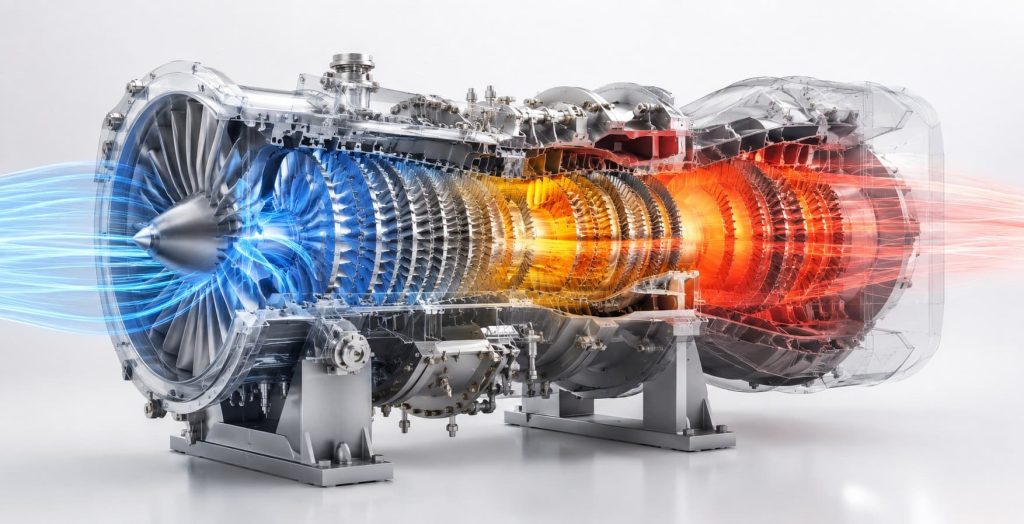
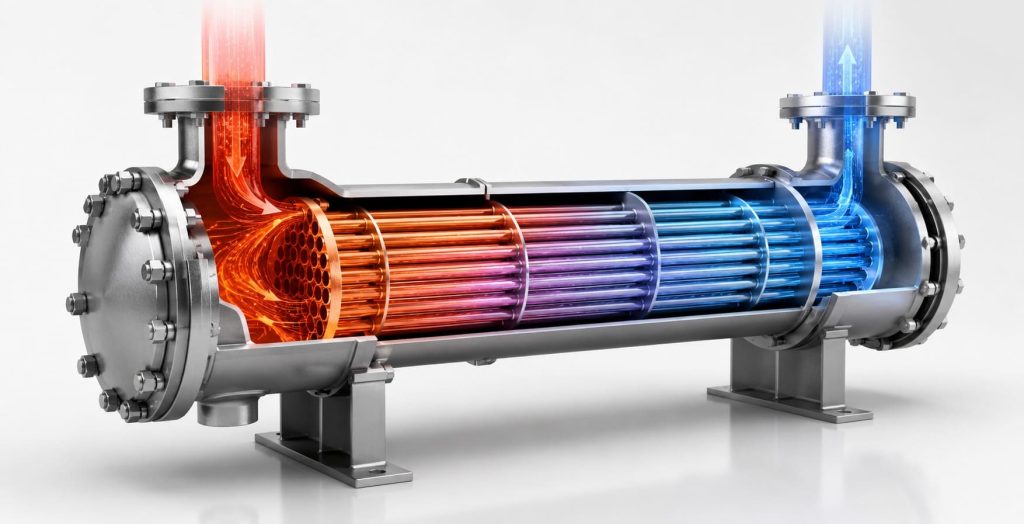
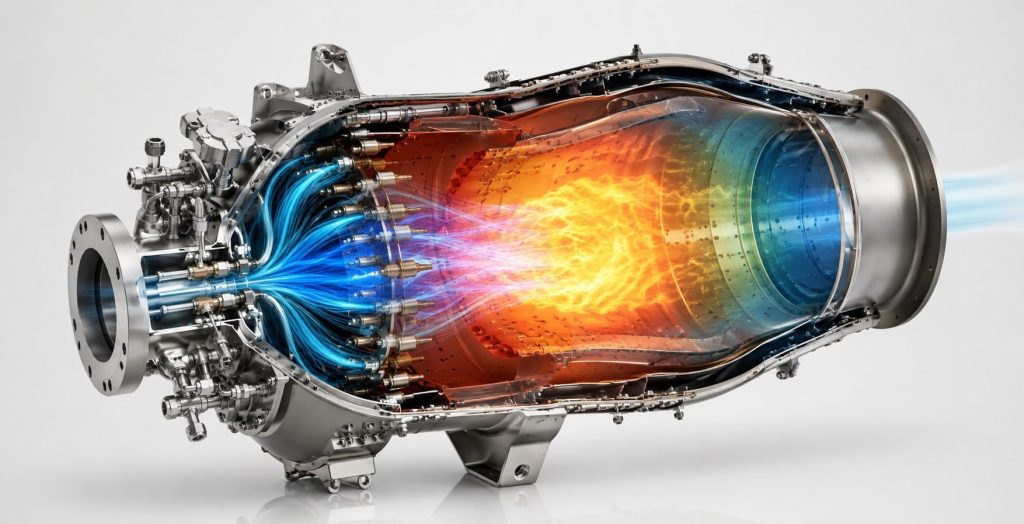
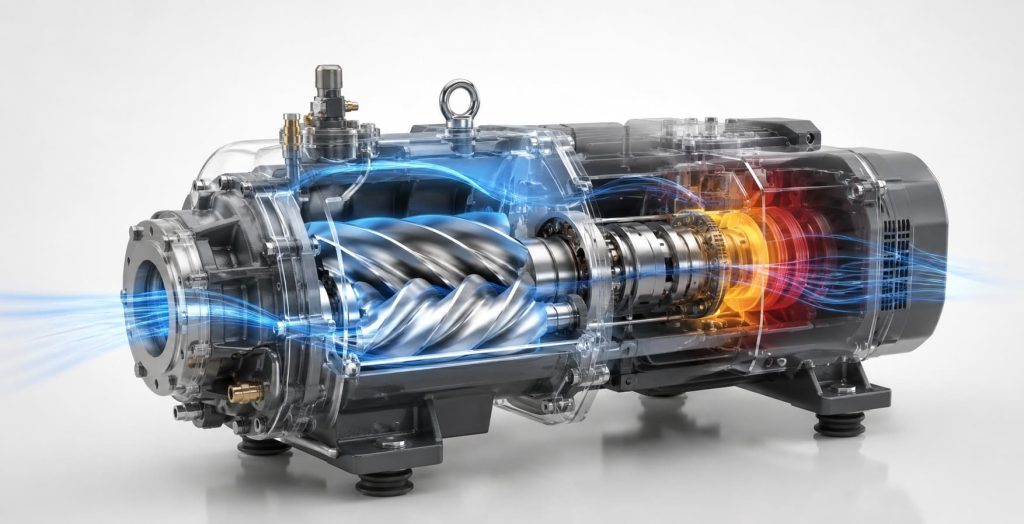
The industrial equipment sector encompasses a wide range of machinery and systems that are critical for manufacturing, energy production, transportation, and automation.
The industrial equipment sector encompasses a wide range of machinery and systems that are critical for manufacturing, energy production, transportation, and automation. This industry relies on advanced engineering to enhance performance, ensure safety, and improve efficiency. Ansys supports these efforts with a suite of powerful simulation tools: Ansys Mechanical for structural and thermal analysis, Ansys Fluent for fluid dynamics and heat transfer, Ansys CFX for computational fluid dynamics in turbomachinery, Ansys Maxwell for electromagnetic analysis, Ansys Twin Builder for creating digital twins, and Ansys Discovery for rapid prototyping. These tools enable engineers to design, analyze, and optimize industrial equipment, ensuring superior performance and reliability.
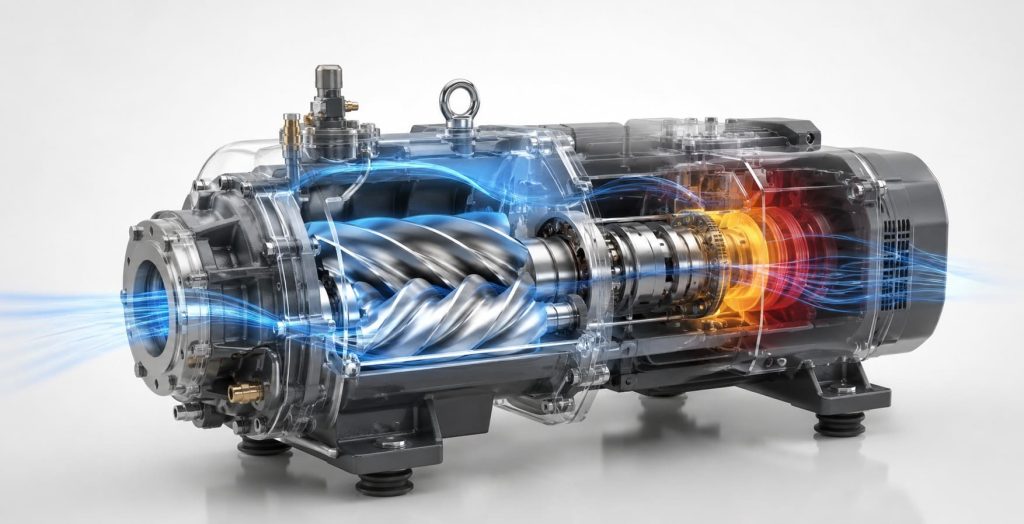
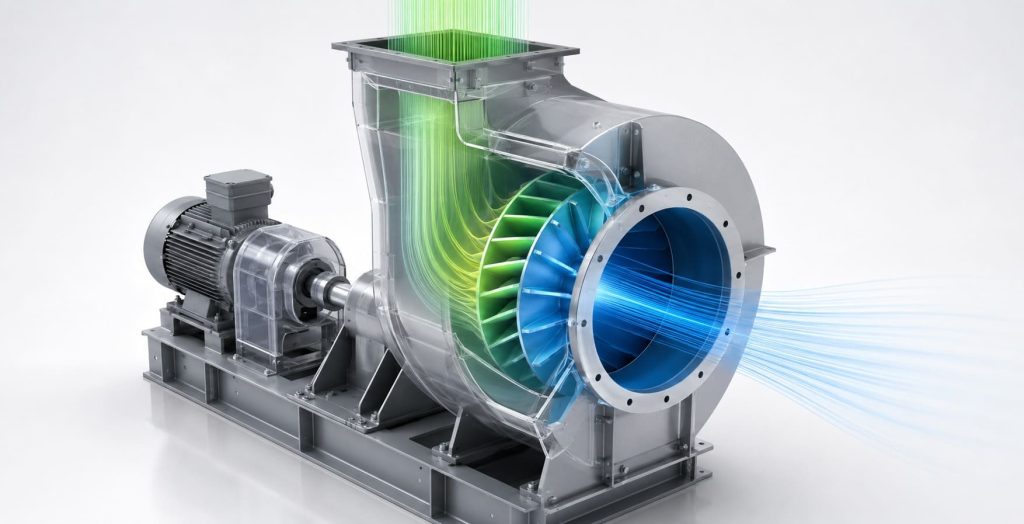
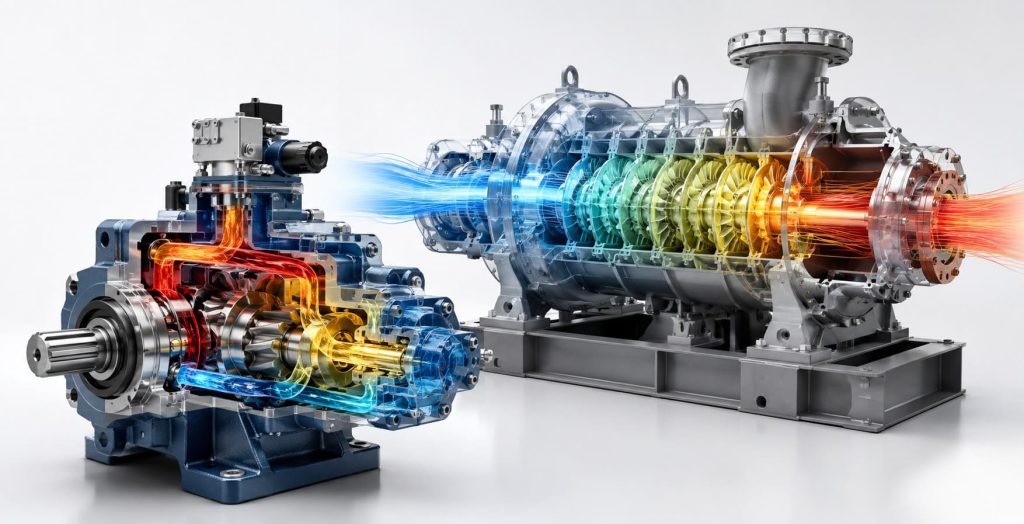
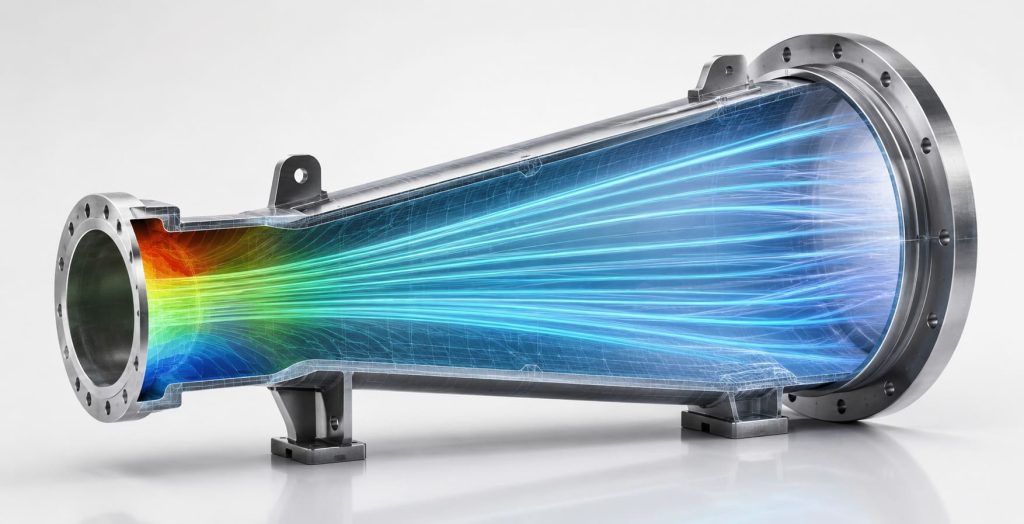
ANSYS enables accurate simulation of compressors, blowers, and gas-handling systems to evaluate pressure flow, thermal behavior, and mechanical stresses. With high-fidelity CFD and FEA tools, engineers can optimize efficiency, prevent failures, and ensure reliable performance under demanding operating conditions.
Thermal simulations to prevent overheating and unacceptable amounts of thermal expansion.
Structural analysis to ensure the integrity and longevity of components under high-stress conditions.
Fluid dynamics simulations to optimize gas flow, pressure distribution, and system efficiency.
Vibration analysis to minimize noise, reduce mechanical wear, and improve overall reliability.
Industries
Component-Level Capabilities
Our component-level simulation capabilities enable precise analysis of individual parts to evaluate performance, durability, and manufacturability before integration. By understanding each component’s behavior under real-world conditions, we ensure optimal design efficiency and reliability across the entire system.
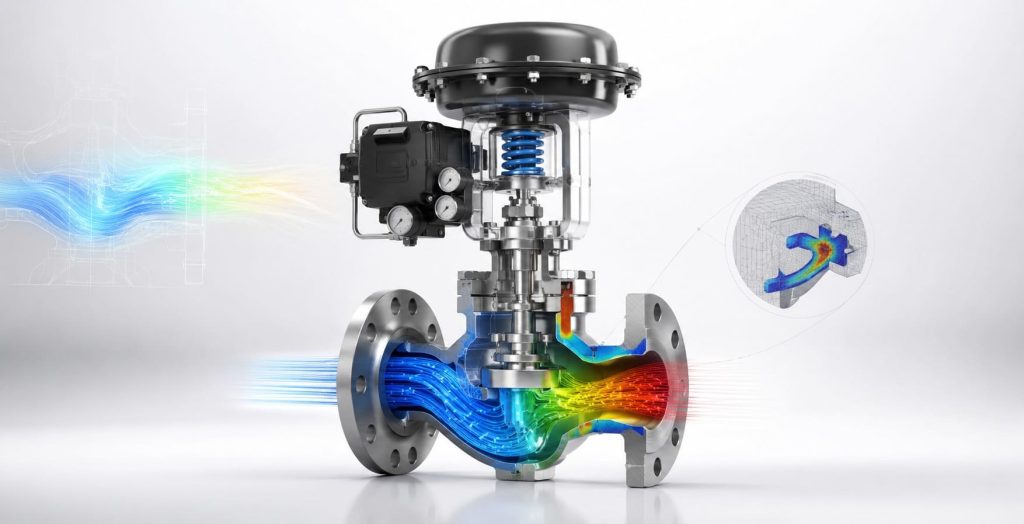
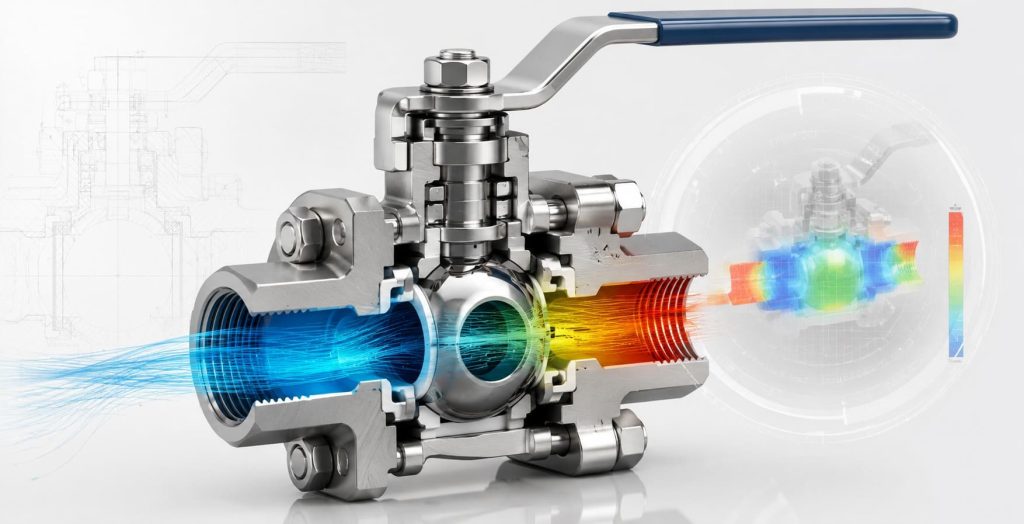
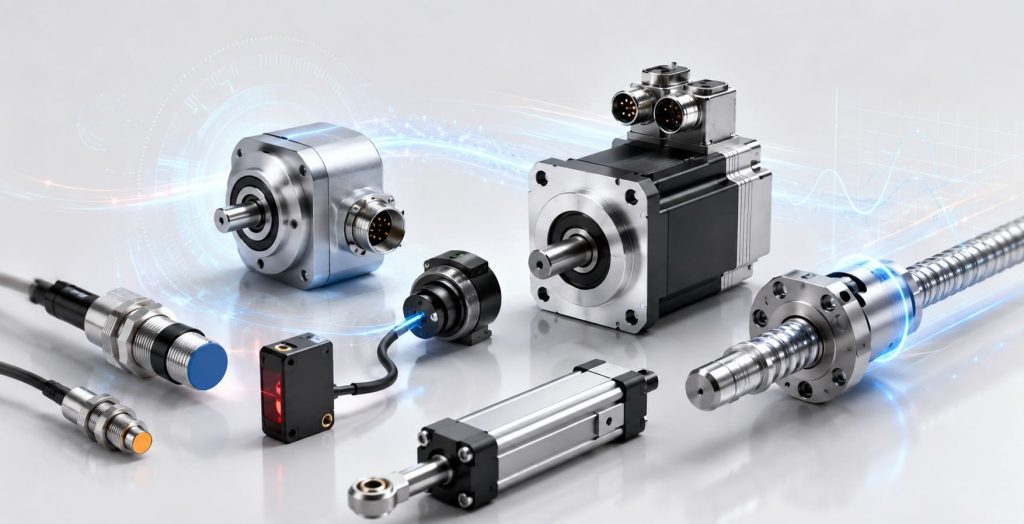
Perform structural analysis to ensure the components of valves and actuators can withstand the high stresses involved.
Evaluate actuator kinematics to ensure operational accuracy and reliability.
Industries
Relevant Ansys Software
Relevant ANSYS software for appliances includes tools like ANSYS Mechanical, Fluent, and Electronics Desktop to simulate structural, thermal, and electromagnetic performance. These solutions help optimize product reliability, energy efficiency, and regulatory compliance.
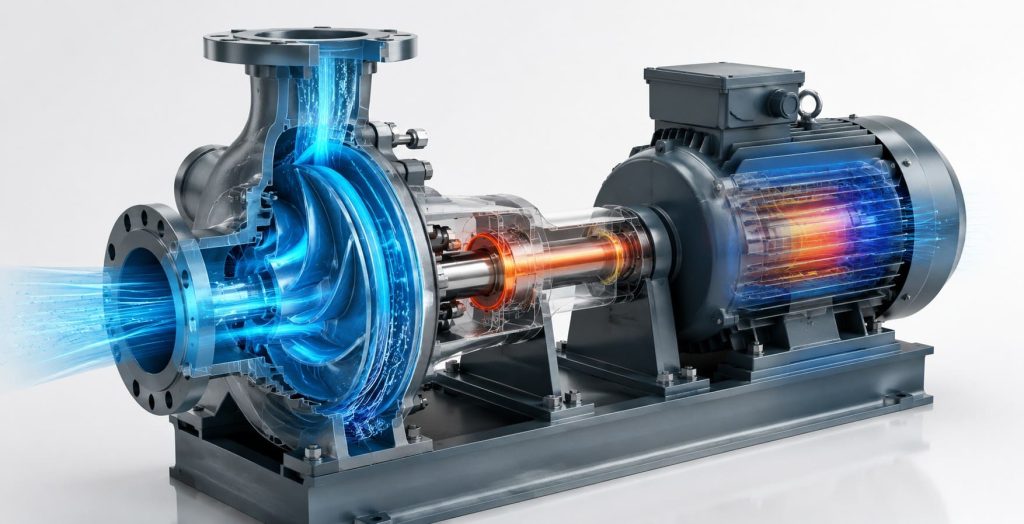
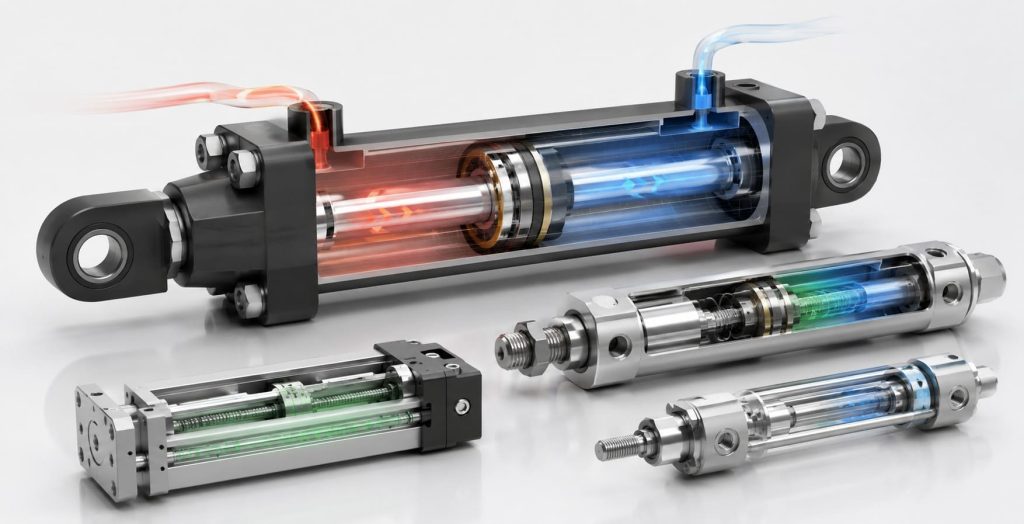
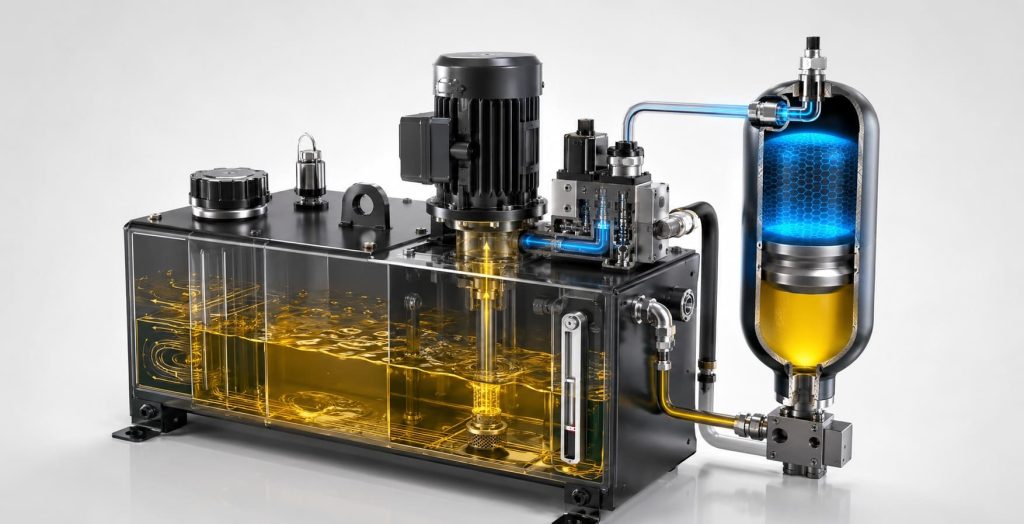
ANSYS empowers engineers to simulate fluid flow, pressure dynamics, and structural loads within hydraulic and pneumatic systems with high precision. This ensures optimized performance, reduced leakage risks, and reliable operation of pumps, valves, actuators, and control systems.
Structural analysis of components to ensure they endure operational stresses and prevent failure.
Thermal simulations to evaluate heat transfer and prevent overheating.
Fluid dynamics simulations to optimize fluid flow, pressure, and system efficiency.
Vibration analysis to reduce noise, improve stability, and minimize the risk of mechanical fatigue.
Industries
Component-Level Capabilities
Our component-level simulation capabilities enable precise analysis of individual parts to evaluate performance, durability, and manufacturability before integration. By understanding each component’s behavior under real-world conditions, we ensure optimal design efficiency and reliability across the entire system.
Perform thermal simulations to analyze heat transfer and temperature distribution, ensuring effective thermal management.
Test structural strength to withstand high operational pressures and maintain reliability.
Industries
Relevant Ansys Software
Relevant ANSYS software for appliances includes tools like ANSYS Mechanical, Fluent, and Electronics Desktop to simulate structural, thermal, and electromagnetic performance. These solutions help optimize product reliability, energy efficiency, and regulatory compliance.
Relevant ANSYS software for appliances includes tools like ANSYS Mechanical, Fluent, and Electronics Desktop to simulate structural, thermal, and electromagnetic performance. These solutions help optimize product reliability, energy efficiency, and regulatory compliance.
Structural analysis to ensure the durability of components of the turbine under high-stress conditions.
Fluid dynamics simulations to ensure efficient fluid flow around the blades of the turbine.
Vibration analysis to improve system stability, reduce the chance of fatigue, and optimize overall performance.
Thermal analysis to optimize heat transfer and cooling efficiency in turbomachinery.
Industries
Component-Level Capabilities
Our component-level simulation capabilities enable precise analysis of individual parts to evaluate performance, durability, and manufacturability before integration. By understanding each component’s behavior under real-world conditions, we ensure optimal design efficiency and reliability across the entire system.
Analyze fluid flow for smooth operation, reducing turbulence and energy loss.
Evaluate thermal stresses to ensure reliability and performance under varying operating conditions.
Industries
Relevant Ansys Software
Relevant ANSYS software for appliances includes tools like ANSYS Mechanical, Fluent, and Electronics Desktop to simulate structural, thermal, and electromagnetic performance. These solutions help optimize product reliability, energy efficiency, and regulatory compliance.
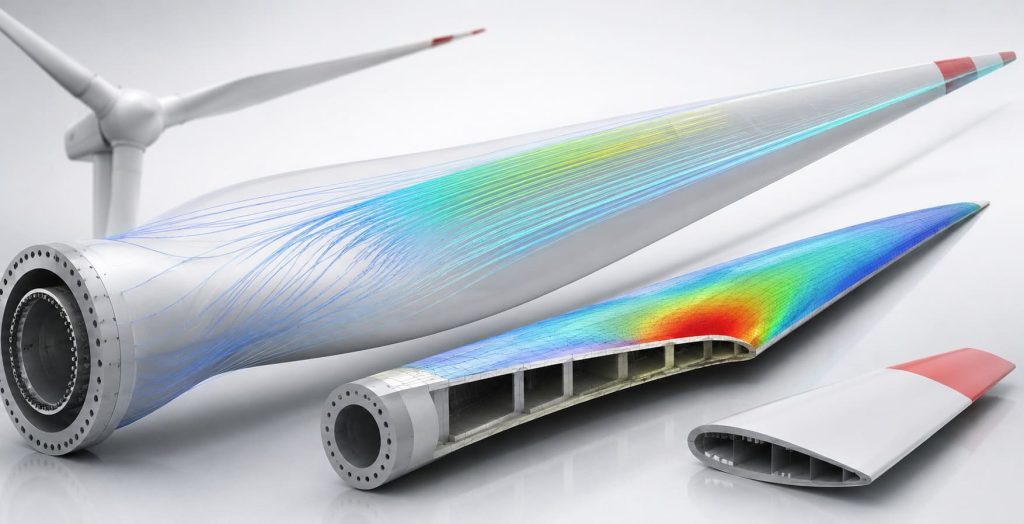
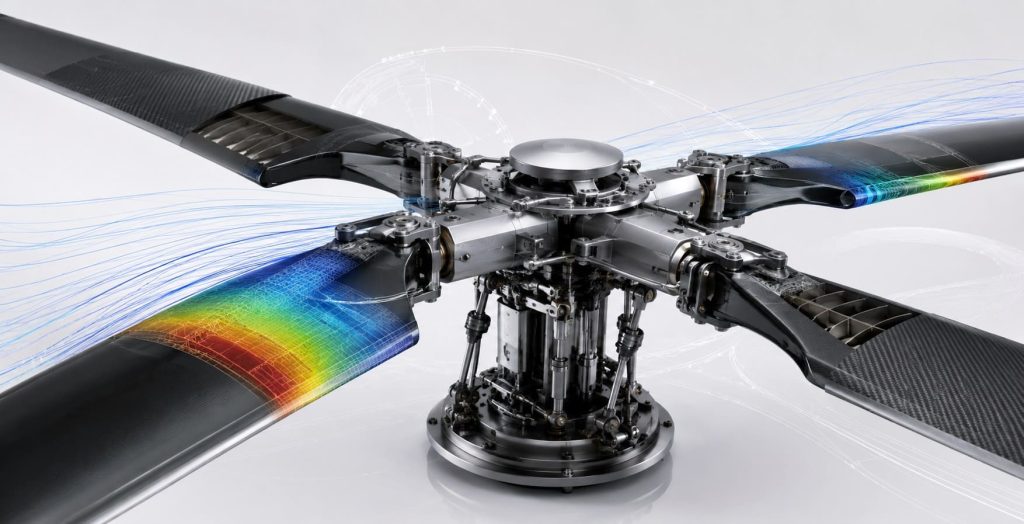
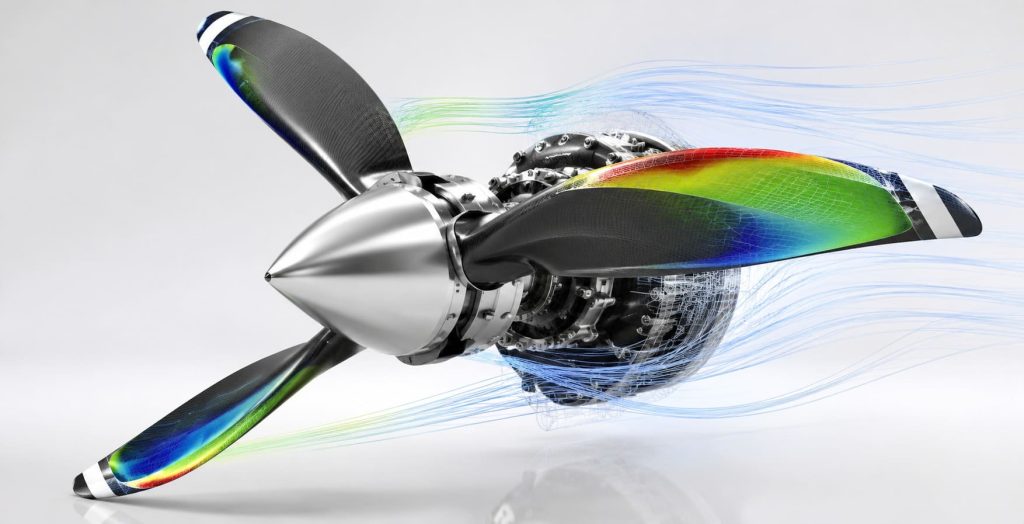
ANSYS enables precise simulation of aerodynamic loads, structural stresses, and rotational dynamics for propellers, rotors, and wind turbine blades. This helps engineers optimize performance, reduce vibration, and enhance energy efficiency and operational safety.
Structural analysis to ensure components withstand dynamic loads and environmental stresses.
Aerodynamic simulations to optimize blade design for superior efficiency and performance.
Vibration analysis to reduce the chance of fatigue, and enhance system reliability.
Acoustic simulations to reduce noise levels of propellers and improve passenger comfort.
Industries
Component-Level Capabilities
Our component-level simulation capabilities enable precise analysis of individual parts to evaluate performance, durability, and manufacturability before integration. By understanding each component’s behavior under real-world conditions, we ensure optimal design efficiency and reliability across the entire system.
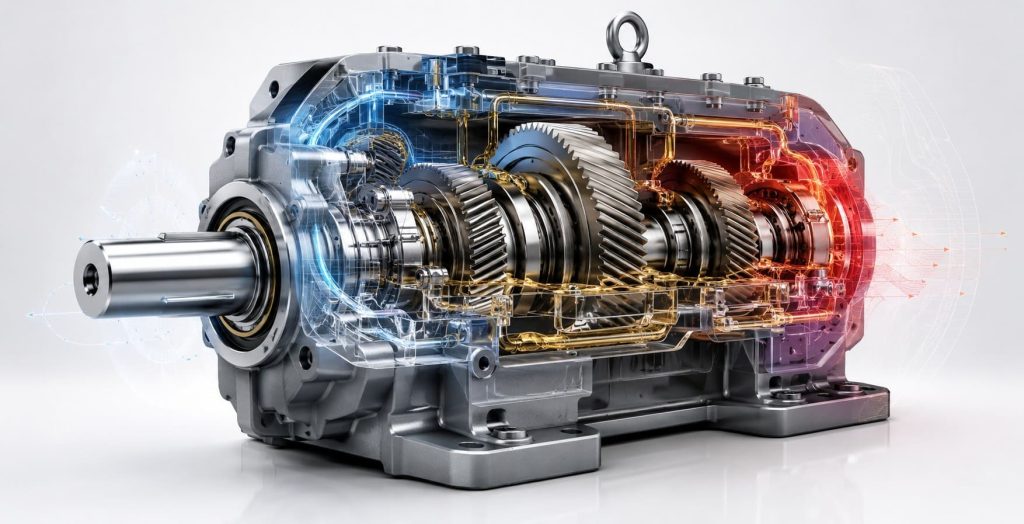
Test the structural strength of components for reliable power transmission under varying operational loads.
Simulate lubrication to reduce friction, minimize wear, and extend system lifespan.
Industries
Relevant Ansys Software
Relevant ANSYS software for appliances includes tools like ANSYS Mechanical, Fluent, and Electronics Desktop to simulate structural, thermal, and electromagnetic performance. These solutions help optimize product reliability, energy efficiency, and regulatory compliance.
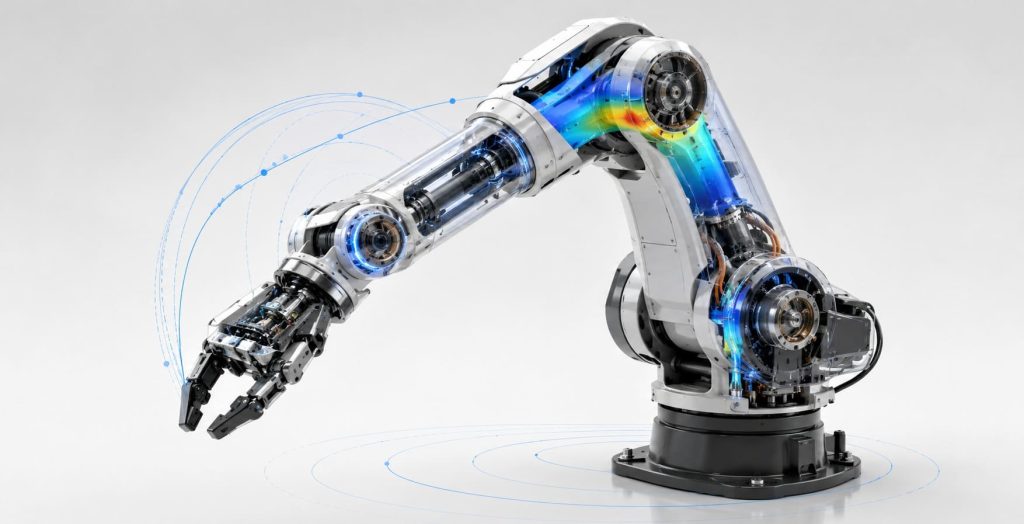
ANSYS empowers engineers to simulate motion control, structural behavior, and thermal effects in robotic systems, ensuring high precision and reliability. This supports the development of automation equipment with improved durability, efficiency, and seamless operational performance.
Structural analysis to ensure reliable, durable designs for robotic systems operating in harsh industrial environments.
Thermal simulations to prevent overheating and optimize safe, long-term operation in automated systems.
Electromagnetic simulations to ensure precise control of motors, sensors, and actuators.
Embedded software development and validation ensuring robust, responsive performance for automated systems
Vibration analysis to reduce mechanical wear and fatigue, and improve operational efficiency.
Industries
Component-Level Capabilities
Our component-level simulation capabilities enable precise analysis of individual parts to evaluate performance, durability, and manufacturability before integration. By understanding each component’s behavior under real-world conditions, we ensure optimal design efficiency and reliability across the entire system.
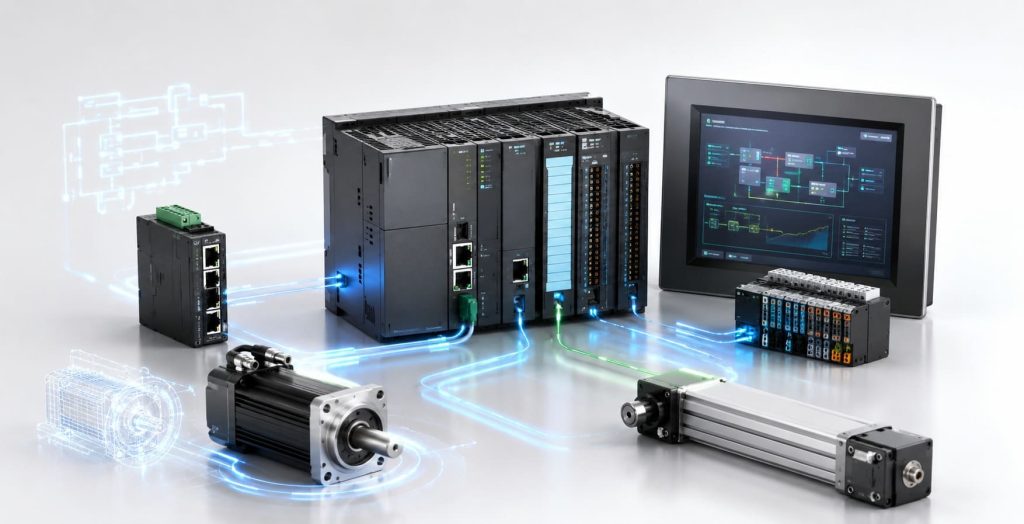
Simulate the performance of embedded software to optimize real-time processing and control algorithms for automation tasks.
Conduct signal integrity analysis to ensure reliable transmission and minimize signal degradation in control systems.
Industries
Relevant Ansys Software
Easily handle the complexity of varied design environments with a range of analytical tools that enable you to meet performance goals and ensure long-term reliability
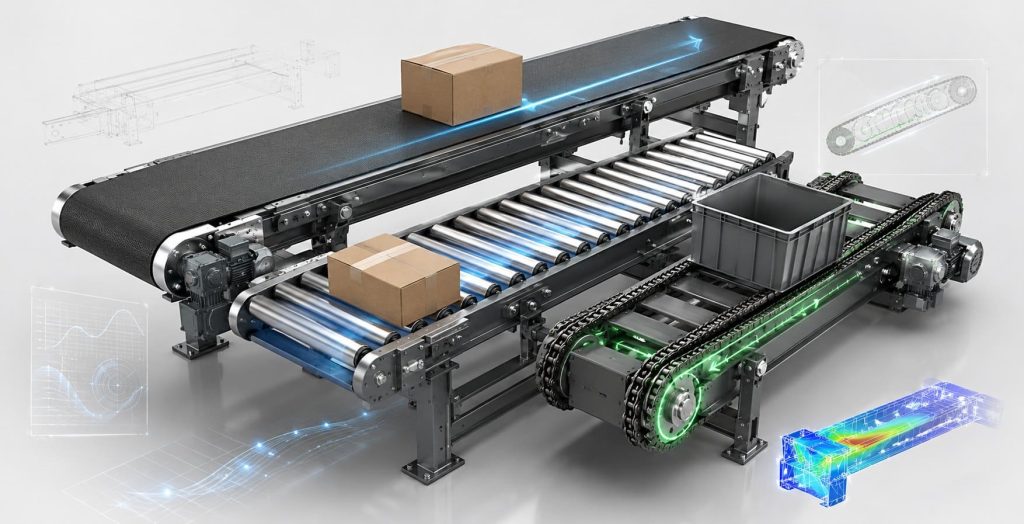
ANSYS enables detailed analysis of load distribution, dynamic behavior, and structural integrity in conveyor systems, ensuring smoother operation and reduced downtime. Engineers can optimize performance, durability, and energy efficiency through advanced simulation insights.
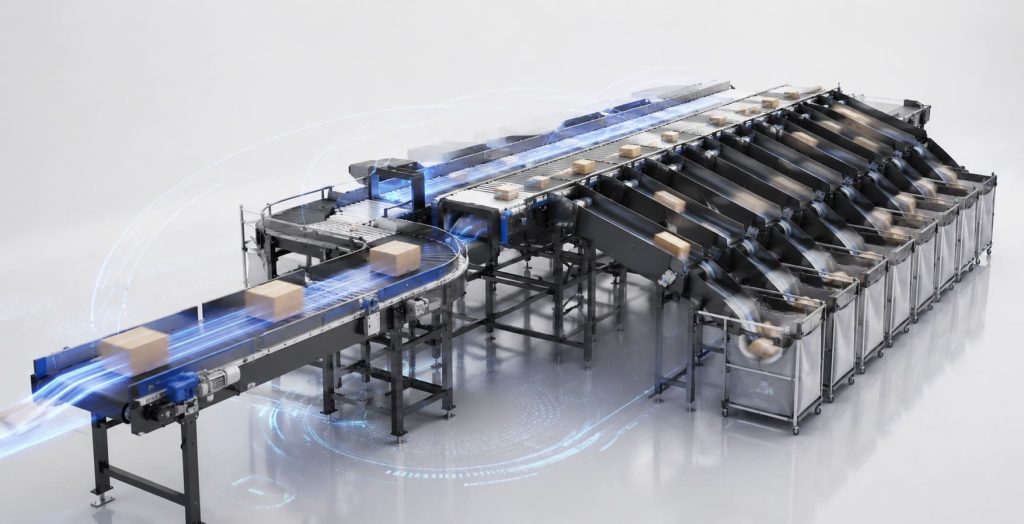
Simulate mechanism dynamics using multibody dynamics (MBD) to optimize sorting accuracy and speed under varying operational conditions.
Perform electromagnetic compatibility (EMC) analysis to ensure stable operation in automated sorting systems with minimal interference.
Industries
Relevant Ansys Software
Relevant ANSYS software for appliances includes tools like ANSYS Mechanical, Fluent, and Electronics Desktop to simulate structural, thermal, and electromagnetic performance. These solutions help optimize product reliability, energy efficiency, and regulatory compliance.
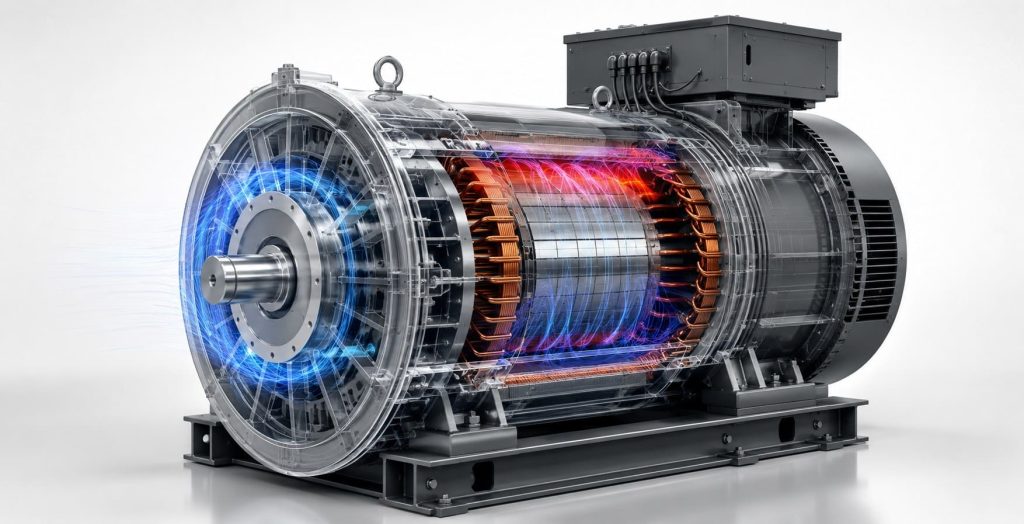
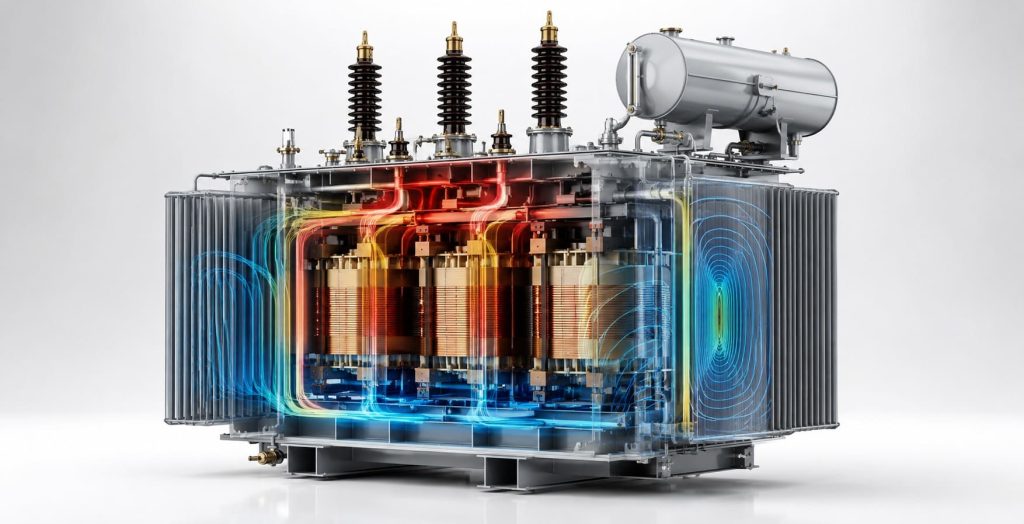
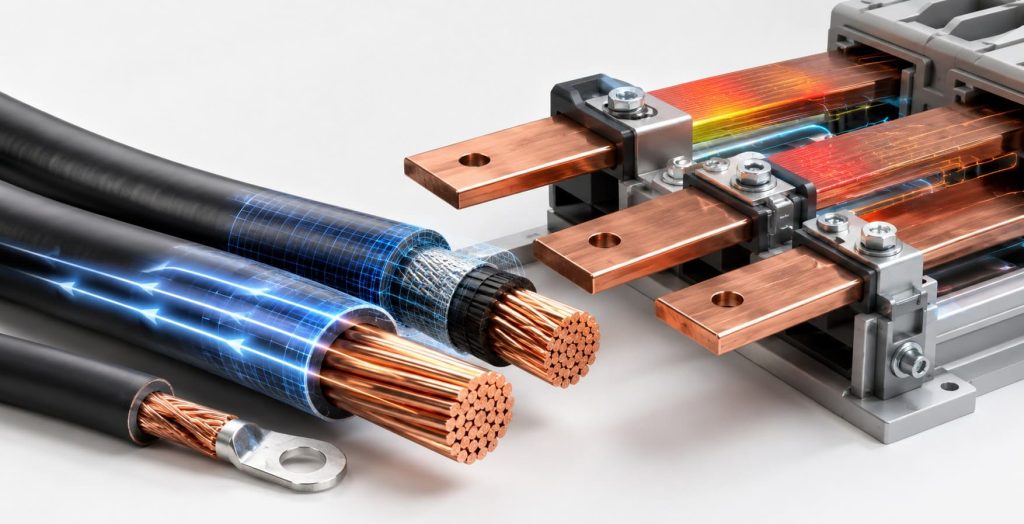
ANSYS empowers engineers to simulate electrical, thermal, and structural behavior across critical power system components, ensuring reliability and safety under varying load conditions. With high-fidelity multiphysics analysis, teams can optimize performance, prevent failures, and enhance overall energy efficiency.
Vibration analysis to minimize mechanical wear and enhance system durability against fatigue.
Structural analysis to ensure durability and stability of power systems under operational stresses.
Thermal analysis to ensure safe, reliable operation of power systems under varied conditions.
Electromagnetic simulations to optimize power generation, distribution, and system efficiency.
Industries
Component-Level Capabilities
Our component-level simulation capabilities enable precise analysis of individual parts to evaluate performance, durability, and manufacturability before integration. By understanding each component’s behavior under real-world conditions, we ensure optimal design efficiency and reliability across the entire system.
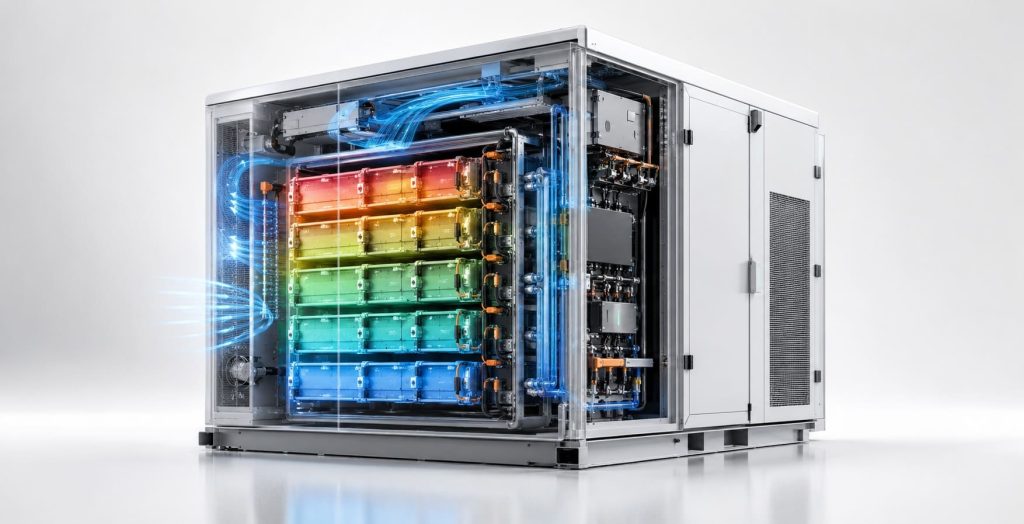
Perform thermal analysis to prevent overheating and maintain efficient energy storage.
Simulate electrochemical reactions to optimize battery performance and efficiency.
Industries
Relevant Ansys Software
Relevant ANSYS software for appliances includes tools like ANSYS Mechanical, Fluent, and Electronics Desktop to simulate structural, thermal, and electromagnetic performance. These solutions help optimize product reliability, energy efficiency, and regulatory compliance.
How can ANSYS software help improve the performance of industrial equipment?
ANSYS enables engineers to simulate real-world operating conditions—such as high loads, thermal stresses, vibration, and fluid interactions—allowing them to optimize performance, increase durability, and reduce development time before physical prototyping.
What types of simulations can ANSYS perform for industrial machinery?
ANSYS supports a wide range of analyses including structural FEA, CFD for cooling and airflow, thermal analysis, fatigue life prediction, vibration and modal studies, and full multiphysics simulations for complex industrial systems.
Can ANSYS help improve equipment reliability and durability?
Yes. ANSYS enables fatigue, impact, and vibration evaluations to predict long-term behavior of components under harsh industrial environments, helping manufacturers enhance reliability and avoid costly failures.
How does ANSYS support compliance and certification for industrial equipment?
ANSYS tools help validate designs against standards like ASME, ISO, API, and CE by providing simulation-backed evidence, automated report generation, and test-correlation insights that streamline the certification process.
Transform Ideas into Reality—Explore Our Simulation Solutions Today!
Partner with Us to Revolutionize Engineering Excellence!
Highly informative ANSYS Mechanical training resolved contact, meshing, fatigue challenges, delivered professionally with structured sessions and dependable post-sales support.
Sneha Iyer — Simulation & Validation Lead
Strong CFD expertise and reliable consulting achieved high accuracy, building confidence and establishing a preferred partnership for complete ANSYS simulation solutions.
Aditya Rao — Senior FEA Specialist
Insightful ANSYS training enhanced analytical skills through expert guidance in FEA, CFD, geometry, meshing, and modeling for students and faculty.
Nikhil Bansal—Product Engineering
Outstanding ANSYS implementation and consulting delivered timely FEA and CFD support, strengthening team capabilities through structured, high-value training sessions.
Ananya Mehta — CAE Project Lead
Advanced ANSYS HPC and CFD solutions enabled effective hydro turbine simulations, supported by expert training, technical guidance, and reliable support.
Saurabh Joshi — Senior Mechanical Engineer
Customized SpaceClaim training with hands-on workshops improved modeling skills, supported by proactive guidance, tailored sessions, and strong application engineering expertise.
Pooja Shah — CFD & Thermal Analysis Lead
Advanced drone development benefited from ANSYS expertise, delivering effective FEA and CFD solutions, training, and support for complex engineering challenges.
Manish Gupta — Engineering Analysis Manager
Innovation in autonomous drones improved through ANSYS implementation, expert FEA, CFD consulting, and training for better validation, performance, and efficiency.
Arjun—Head – Engineering Analysis
Significant R&D improvements achieved through ANSYS expertise, accelerating validation, optimizing performance, and solving complex engineering challenges with expert support.
Rahul Mittal — Head of R&D
Rail solutions enhanced using ANSYS ICEPAK and Mechanical, delivering expert training, strong FEA, CFD support, and deeper understanding of core physics.
Vikram Sharma — Lead Engineer – Simulation
Responsive CFD support and training enabled faster validation, solving meshing challenges and strengthening R&D team’s simulation and design capabilities effectively.
Neha Kapoor — Manager – R&D
Reliable ANSYS implementation and FEA expertise delivered consistently under challenging conditions, demonstrating professionalism, technical strength, and strong project commitment.
Arjun Mehta — Senior Simulation Engineer
Engineering capabilities improved with ANSYS Mechanical expertise, optimizing components through hands-on training, prompt support, and strong FEA knowledge application.
Rohan Malhotra—Engineering Manager–CAE
Exceptional ANSYS expertise combining LS-DYNA and Mechanical training, supported by proactive guidance, solving complex challenges with professionalism and customer-focused collaboration.
Priya Nair — Lead CFD Engineer
Informative ANSYS Mechanical training enhanced analytical skills, delivered smoothly with strong coordination, structured sessions, and excellent trainer support throughout program.
Amit Verma — Senior Design Engineer
ANSYS FEA and CFD expertise improved product reliability, optimization, and efficiency through strong consulting, implementation, training, and dedicated technical support.