Products

Ansys System Architecture Modeler for Next-Generation MBSE

Apply MBSE to connect requirements, architecture and engineering decisions—helping teams manage complexity and develop next-generation products with greater confidence.
Overview

Create System Architecture Models with Ansys SAM

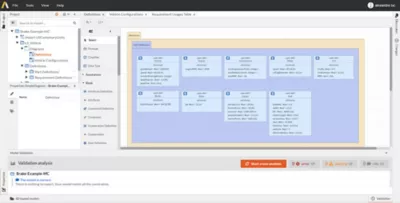
Ansys System Architecture Modeler (SAM) provides a comprehensive framework to visualize, design, and manage complex systems. It ensures efficient stakeholder communication, aligns technical solutions with business goals, identifies potential risks early, and enhances decision-making by enabling Model-Based Systems Engineering. This tool streamlines development, reduces costs, and fosters innovation.
Features

Quick Specs

Ansys SAM is a general modeling SysML v2 modeling tool enabling model-based systems engineering.

Still have a question?

Manage complexity

Collaborate with colleagues on the same model

Consistent data across the system

Scalable and accessible across organization

Trace features to requirements

Authoritative source of truth

Capabilities

Connecting the System Architecture Model to Engineering Tools

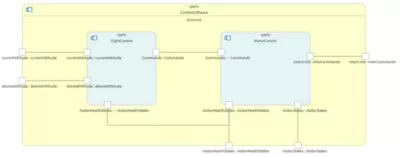
The Ansys System Architecture Modeler is a cloud-native modeling tool that allows customers to utilize the SysML v2 modeling language to collaboratively create and connect architectural models of the complex system they are designing.

Capabilities

Key Features

Ansys integrates its range of open ecosystem engineering simulation, embedded software, and safety analysis to any MBSE architecture, enabling more complex systems to be designed.

The latest, most powerful, modeling language

  • Easier to learn
  • Superior interoperability
  • More consistent
 

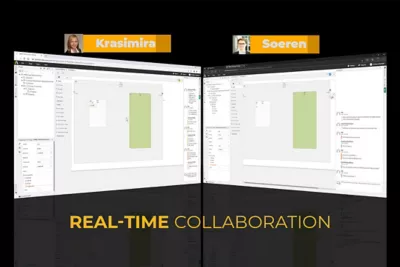
Users can collectively work on the same model in real-time

  • Manage access rights
  • Makes modeling accessible and scalable across the engineering organization.

Access and build models on any modern web browser.

  • Guarantee users are working and collaborating on the same model 
  • Real-time updates and seamless teamwork
  • On cloud or on premise

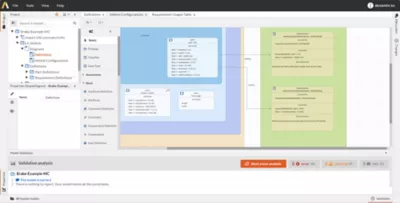
Integrates with third-party tools for a comprehensive MBSE solution

  • Compatible with tools from all vendors
  • Complies with SysML v2 interoperability standards
  • Ansys SAM intergrates seamlessly with Ansys tools like: medini, ModelCenter and Scade One

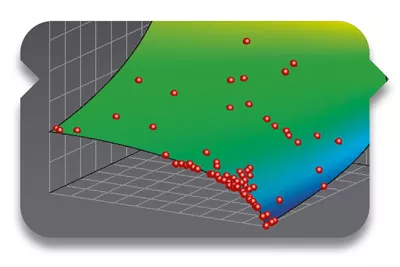
Analysis and trade-study results can be used to significant trends and trade-offs. Once a repeatable engineering analysis process is created, engineers can repeatedly execute the process (using parallel computing resources if available). Each execution corresponds to a different set of inputs. Engineers can explore and quantify the performance, cost, reliability, and risk of many various design alternatives in a relatively short time.

Ansys optiSLang’s powerful algorithms and automated workflows build on the earlier steps of sensitivity analysis to provide a wizard-driven decision tree to recommend the optimizer with default setting.

The optiSLang program determines the optimal design parameters for various multidisciplinary, non-linear and multicriteria optimization tasks. Based on the earlier steps of sensitivity analysis, optiSLang has already identified the most relevant parameters and can perform a pre-optimization on the chosen metamodel. Its wizard-based interface provides user guidance to recommend the optimizer from available algorithms such as gradient-based methods, adaptive response surface method and more, including custom optimization algorithms. You can even forward optimal design candidates from one loop to the next to streamline and standardize your work.

Study
Case

Explore Case Studies

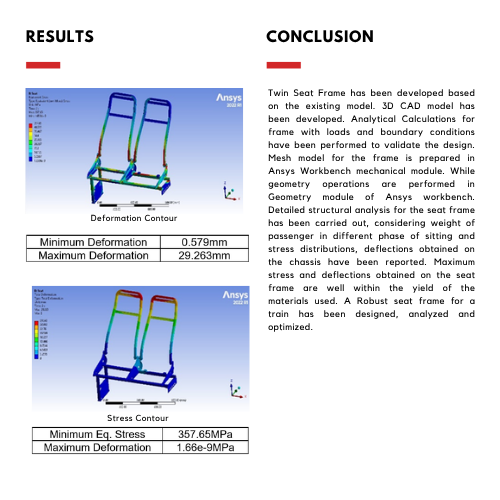
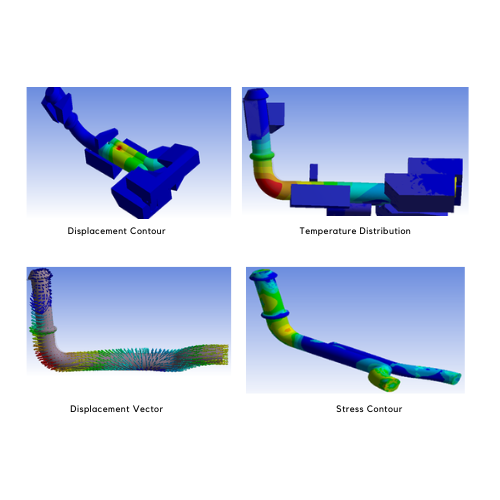
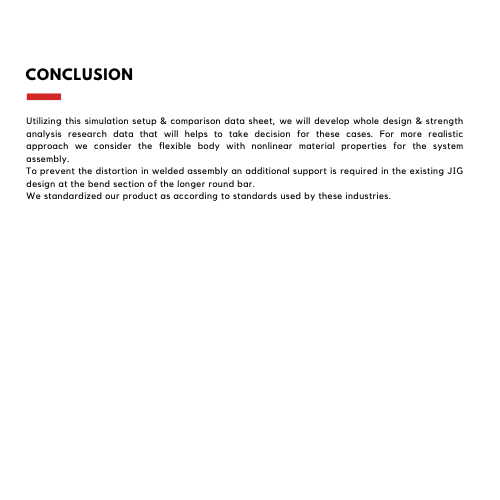
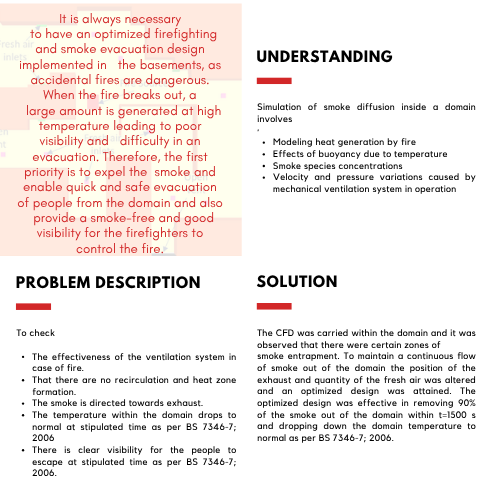
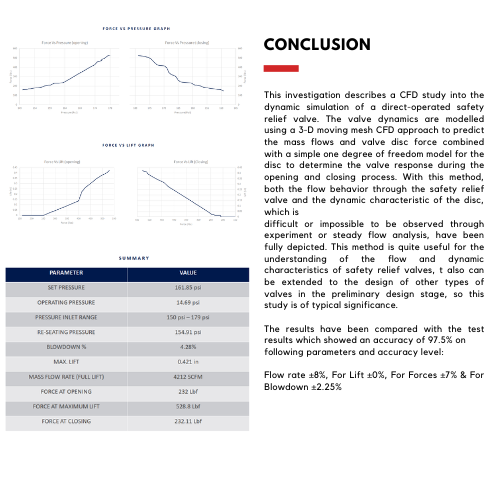
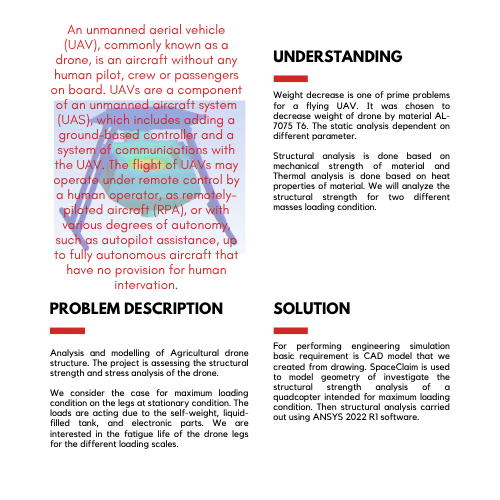
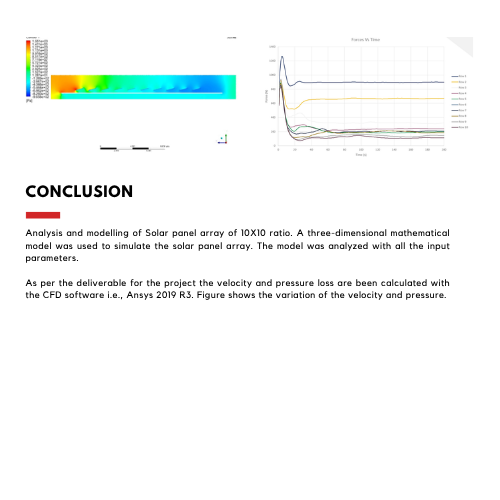
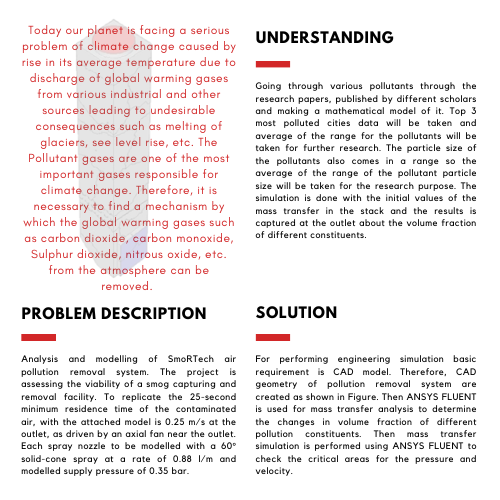
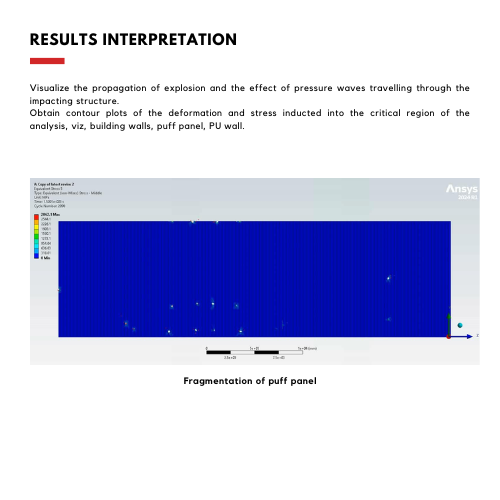
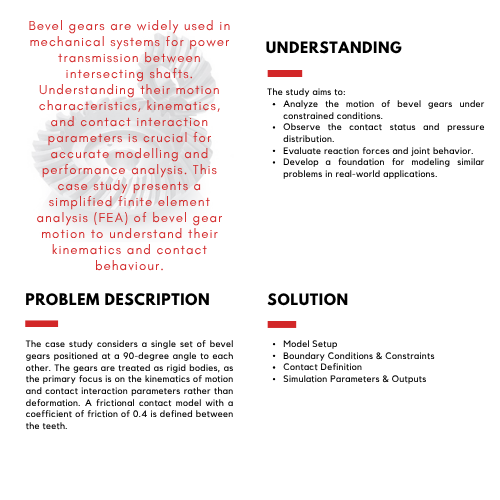
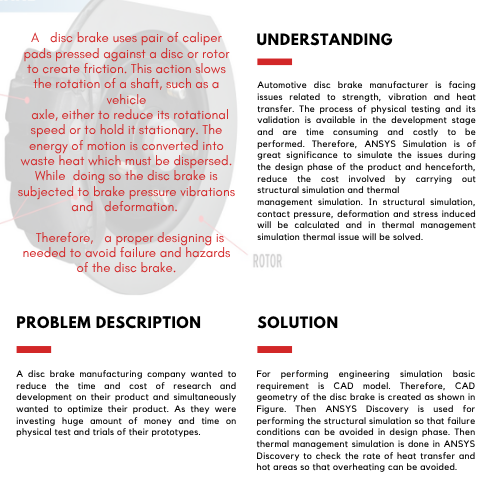
Discover how Qantur Technologies applies advanced CAE, simulation, and engineering expertise to solve real-world design challenges, optimize product performance, reduce development cycles, and deliver measurable engineering outcomes across industries.
Innovate

Events &
white paper

Discover how engineering simulation is expanding across the entire product lifecycle.

Smart Strategies for Large Structural Simulations

One way to gauge the progress of engineering simulation software is through the lens of size. Engineers today routinely run structural simulations with a few million degrees of freedom, and the largest commercial structural simulations have topped even 100 million degrees of freedom.

Many Indian engineering organizations start simulation with one software license and one engineer. As adoption grows, simulation becomes an organizational capability rather than an individual

India’s aerospace and defence sector is increasingly focused on indigenous development, advanced manufacturing, propulsion, electronics and system-level engineering. Simulation can significantly reduce development risk because

Engineering companies across India are increasingly using simulation earlier in the product-development cycle to reduce physical prototyping, improve product quality, accelerate validation and shorten engineering

Visioneering

Blogs & Trends

Discover how engineering simulation is expanding across the entire product lifecycle. engineering / product design analysis by modeling & simulation.

Transform Ideas into Reality—Explore Our Simulation Solutions Today!

Partner with Us to Revolutionize Engineering Excellence!

Testimonials

Customer Testimonials

Fill out the form below, And you will get the details on Email


      Fill out the form below, And you will get the details on Email